If you suffer from tinnitus—the persistent ringing, buzzing, or hissing in your ears—you know how frustrating it can be. But beyond the annoyance of the sound itself, many tinnitus sufferers report a secondary, equally debilitating symptom: severe cognitive fatigue and brain fog.
Tinnitus: More Than Just an Ear Problem
If you suffer from tinnitus - the persistent ringing, buzzing, or hissing in your ears - you know how frustrating it can be. But beyond the annoyance of the sound itself, many tinnitus sufferers report a secondary, equally debilitating symptom: severe cognitive fatigue and brain fog.
Research has increasingly shown that tinnitus is not just a problem originating in the ears; it is fundamentally a neurological issue. Understanding how tinnitus affects the brain is the first step toward reclaiming your focus and mental energy.
How Tinnitus Hijacks Your Brain's Resources
Hearing is a complex process. When hair cells in the inner ear are damaged (due to loud noise, aging, or poor circulation), they stop sending reliable signals to the auditory cortex in the brain. In response, the brain "turns up the volume" to compensate for the missing input, resulting in the phantom noise of tinnitus.
This continuous false signal has a profound impact on cognitive function:
- The Attention Drain: Your brain is constantly monitoring the ringing sound, treating it as an anomaly. This drains your limited attentional resources, leaving less mental energy for tasks that require focus, like reading or working.
- The Stress Loop: The constant noise often triggers the brain's "fight or flight" response, elevating cortisol levels. Chronic stress shrinks memory centers and makes concentration difficult.
- Sleep Disruption: Tinnitus is notoriously worse in quiet environments, making it incredibly difficult to fall and stay asleep. Without deep sleep, the brain cannot clear out neurotoxins or consolidate memories, leading to intense brain fog the next day.
Reclaiming Cognitive Energy
Addressing the cognitive fatigue caused by tinnitus requires a holistic approach that supports both the auditory system and the brain.
#### Managing the Noise
Sound masking techniques, such as white noise machines or nature sounds, can help distract the brain from the ringing, reducing the attentional drain and making it easier to focus and sleep.
#### Nutritional Support for the Ear-Brain Connection
Supporting the delicate neural pathways that connect the inner ear to the auditory cortex is crucial. Natural compounds that reduce neuroinflammation and promote healthy blood flow can make a significant difference.
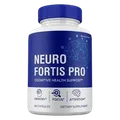
Formulations like ZenCortex and SonoVive are specifically designed to support auditory and cognitive health, utilizing plant-based ingredients to nourish the auditory nerves and help maintain a healthy auditory system. Additionally, providing the brain with comprehensive support through supplements like NeuroFortis can help combat the cognitive fatigue and brain fog associated with chronic sensory strain.
Conclusion
Tinnitus is exhausting because your brain is working overtime to process a sound that isn't really there. By understanding this ear-brain connection and providing your nervous system with the right support, you can reduce cognitive fatigue and regain your mental clarity.
Why Brain And Nervous System Needs Daily Support
Cognitive function depends on a delicate balance of neurotransmitters and consistent neuronal signaling. As these systems become disrupted by aging, oxidative stress, or poor nutrition, memory and focus begin to decline noticeably.
Understanding this biological process helps explain why targeted daily support - not just isolated dietary improvements - is necessary for consistent results.
How Neurotransmitter Balance Works
The brain maintains sharp function through the efficient production of acetylcholine, dopamine, and BDNF. When nutritional deficiencies or oxidative damage interfere with these pathways, cognitive speed and memory consolidation are the first systems to suffer.
This mechanism explains why the biological factors discussed in this article are not merely lifestyle suggestions but represent the foundational drivers of long-term brain health.
Scientific References & Validation
Full citations with PMID links, methodology notes & evidence ratings on puresupphub.com