The human crystalline lens is a remarkable biological structure. To focus light onto the retina, it must remain perfectly transparent. It achieves this through a highly ordered, paracrystalline arrangement of specific water-soluble proteins called crystallins. This clinical audit analyzes verified pharmacology, active botanical standardized extracts, safety profiles, and published scientific literature in Vision & Eye Health.
The Crystalline Lens: A Marvel of Transparency
The human crystalline lens is a remarkable biological structure. To focus light onto the retina, it must remain perfectly transparent. It achieves this through a highly ordered, paracrystalline arrangement of specific water-soluble proteins called crystallins.
Because the lens lacks a blood supply (which would obscure vision), it relies entirely on the aqueous humor for nourishment and waste removal. Furthermore, the lens cells (lens fibers) lose their nuclei and organelles during development to minimize light scattering. This means mature lens fibers cannot synthesize new proteins. The crystallins you are born with must last a lifetime.
The Pathogenesis of Cataracts: Oxidation and Glycation
A cataract is the loss of lens transparency due to the opacification of these crystallin proteins. This is not an inevitable consequence of aging, but rather the cumulative result of biochemical damage that disrupts the delicate crystallin structure, causing them to unfold, aggregate, and precipitate out of solution, scattering light.
The two primary drivers of this protein degradation are:
- Oxidative Stress: The lens is constantly exposed to ultraviolet (UV) radiation and visible light, generating Reactive Oxygen Species (ROS). Over decades, these ROS attack the amino acids in the crystallin proteins. The oxidation of methionine and cysteine residues causes structural changes that lead to protein cross-linking and aggregation.
- Glycation: In the presence of elevated blood sugar, glucose molecules non-enzymatically bind to the crystallin proteins, forming Advanced Glycation End-products (AGEs). AGEs alter the protein structure, induce a yellow/brown discoloration (brunescence), and act as photosensitizers, generating even more ROS when exposed to light.
The Glutathione Defense System
To protect these irreplaceable proteins, the lens utilizes the highest concentration of Glutathione (GSH) found anywhere in the human body.
Glutathione is the master endogenous antioxidant. Within the lens, it functions as a critical electron donor, reducing oxidized crystallin proteins back to their native state and detoxifying ROS before they can cause damage.
However, as we age, the efficiency of the enzymes required to recycle oxidized glutathione (GSSG) back into active GSH (like glutathione reductase) declines. When the rate of oxidative stress exceeds the capacity of the GSH defense system, crystallin aggregation begins, and cataractogenesis accelerates.
Clinical Takeaway
Preventing cataract formation requires maintaining high levels of intraocular antioxidants to protect the crystallin proteins from lifelong UV and metabolic damage.
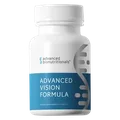
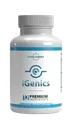
Formulations like Advanced Vision and iGenics are formulated to supply the body with crucial botanical extracts, vitamins, and precursor molecules that support endogenous antioxidant pathways. By maintaining a robust antioxidant shield within the aqueous humor, these supplements help preserve crystallin integrity, delaying or preventing the cross-linking and aggregation that leads to vision-obscuring cataracts.
Why Ocular And Vascular System Needs Daily Support
Age-related macular degeneration (AMD) begins with oxidative damage to photoreceptor cells decades before visual symptoms emerge. UV exposure, blue light from screens, and systemic inflammation all accelerate this cellular deterioration.
Understanding this biological process helps explain why targeted daily support - not just isolated dietary improvements - is necessary for consistent results.
Scientific References & Validation
Full citations with PMID links, methodology notes & evidence ratings on puresupphub.com