The human brain possesses the highest metabolic oxygen consumption rate of any organ in the body—utilizing approximately 20% of basal oxygen (O2) while accounting for only 2% of total body mass—yet it is endowed with surprisingly low concentrations of endogenous antioxidant defense enzymes. Brain tissue contains less than 10% of the catalase activity found in the liver and exhibits low superoxide dismutase (SOD) reserves, rendering neuronal networks exceptionally vulnerable to reactive oxygen species (ROS) and lipid peroxidation. Because neuronal synaptosomes are composed of over 50% oxidation-prone polyunsaturated fatty acids (such as docosahexaenoic acid, or DHA), electron leaks from aging mitochondrial Complexes I and III spark unchecked free radical chain reactions, generating cytotoxic aldehydes like 4-Hydroxynonenal (4-HNE) that cross-link synaptic proteins and induce cognitive fatigue. Rigorous prospective clinical trials demonstrate that administering targeted, blood-brain barrier-permeable antioxidants—including anthocyanin-rich berry polyphenols, EGCG, and carotenoid cofactors—suppresses neuroinflammation, improves paired-associate memory recall by 24%, and slows annual brain atrophy rates by up to 53%, creating an impenetrable biochemical shield against age-related cognitive decline.
The human brain possesses the highest metabolic oxygen consumption rate of any organ in the body - utilizing approximately 20% of basal oxygen (O2) while accounting for only 2% of total body mass - yet it is endowed with surprisingly low concentrations of endogenous antioxidant defense enzymes. Brain tissue contains less than 10% of the catalase activity found in the liver and exhibits low superoxide dismutase (SOD) reserves, rendering neuronal networks exceptionally vulnerable to reactive oxygen species (ROS) and lipid peroxidation. Because neuronal synaptosomes are composed of over 50% oxidation-prone polyunsaturated fatty acids (such as docosahexaenoic acid, or DHA), electron leaks from aging mitochondrial Complexes I and III spark unchecked free radical chain reactions, generating cytotoxic aldehydes like 4-Hydroxynonenal (4-HNE) that cross-link synaptic proteins and induce cognitive fatigue. Rigorous prospective clinical trials demonstrate that administering targeted, blood-brain barrier-permeable antioxidants - including anthocyanin-rich berry polyphenols, EGCG, and carotenoid cofactors - suppresses neuroinflammation, improves paired-associate memory recall by 24%, and slows annual brain atrophy rates by up to 53%, creating an impenetrable biochemical shield against age-related cognitive decline.
Key Clinical Takeaways
- The Brain's Metabolic Achilles' Heel: Generating over 20% of the body's mitochondrial ATP, the brain produces massive amounts of superoxide (O2•-); yet its catalase defenses are 90% lower than hepatic tissue, leaving neurons defenseless against oxidative stress.
- Lipid Peroxidation & Toxic Aldehydes: Free radical attacks on synaptic DHA membranes generate 4-Hydroxynonenal (4-HNE) and Malondialdehyde (MDA), which directly paralyze neurotransmitter vesicle docking and induce tau hyperphosphorylation.
- Crossing the Blood-Brain Barrier (BBB): Over 98% of standard commercial antioxidants cannot penetrate brain capillary tight junctions; only specific low-molecular-weight polyphenols (anthocyanins, EGCG) and lipophilic carotenoids (astaxanthin) reach hippocampal neurons.
- Clinical Blueberry Trials: Supplementation with standardized wild blueberry anthocyanins for 12 weeks significantly improved paired associate learning and word list recall (p = 0.009) in older adults exhibiting early cognitive decline.
- Halting Cerebral Atrophy: In the landmark VITACOG clinical trial (n = 168), optimizing antioxidant cofactors and reducing homocysteine-induced oxidative stress slowed the rate of accelerated brain atrophy by 53% (p = 0.001).
The Neurochemistry of Oxidative Decay: Why Brain Cells Rust
Oxidative stress is defined as a persistent physiological imbalance between the cellular generation of reactive oxygen species (ROS) and the capacity of endogenous antioxidant defenses to neutralize them. In the central nervous system, this imbalance is not merely an inconvenience - it is the direct catalyst for synaptic loss and brain fog.
MITOCHONDRIAL ELECTRON LEAK
| (Severely Deficient in Brain) |
|---|
The cascade of neuronal oxidative destruction unfolds through four distinct biochemical phases:
The Fenton Reaction and Trace Iron (Fe2+):
Hemoglobin Oxygen CarrierThe deep structures of the brain (the substantia nigra, basal ganglia, and hippocampus) possess unusually high concentrations of non-heme iron. When mitochondrial respiration produces hydrogen peroxide (H2O2), it reacts with local ferrous iron (Fe2+) via the Fenton reaction, spawning the hydroxyl radical (•OH) - the most reactive and damaging free radical in biology, capable of mutating DNA and oxidizing lipids within nanoseconds.
Lipid Peroxidation and Cytotoxic 4-HNE:
Neuro-Cellular LipidThe hydroxyl radical strips hydrogen atoms from the methylene bridges of membrane docosahexaenoic acid (DHA) and arachidonic acid (AA). This generates lipid peroxyl radicals that propagate autocatalytic chain reactions through the neuronal membrane. The degradation products are cytotoxic reactive aldehydes, predominantly 4-Hydroxynonenal (4-HNE) and Malondialdehyde (MDA).
Synaptic Protein Cross-Linking:
Glutathione Precursor4-HNE forms irreversible covalent Michael adducts with lysine, histidine, and cysteine residues on vital synaptic proteins. This cross-linking destroys the Na+/K+-ATPase pump, halts the vesicular release of acetylcholine, and causes hyperphosphorylation of microtubule-associated tau proteins.
Microglial Neuroinflammation:
Lab Verified ActiveDying, oxidized neurons release Damage-Associated Molecular Patterns (DAMPs) that bind Toll-Like Receptor 4 (TLR4) on resting microglia. Once activated, microglia transform into amoeboid inflammatory killers, releasing continuous bursts of TNF-alpha, IL-1beta, and inducible nitric oxide synthase (iNOS), maintaining the brain in a state of chronic "smoldering" neuroinflammation.
The Blood-Brain Barrier (BBB) Hurdle: Not All Antioxidants Qualify
A widespread point of consumer deception is the assumption that consuming any dietary antioxidant (such as Vitamin C or generic fruit powders) protects the brain. In reality, the central nervous system is sealed behind the Blood-Brain Barrier (BBB) - a specialized vascular wall composed of brain capillary endothelial cells sealed by high-resistance tight junction complexes (Claudin-5, Occludin, and ZO-1).
Over 98% of small-molecule compounds and virtually 100% of large-molecule proteins cannot pass from systemic circulation into brain parenchyma.
BLOOD-BRAIN BARRIER (BBB) PERMEABILITY PROFILE:
To protect cognitive health, an antioxidant must meet three strict pharmacological criteria:
- It must possess a molecular weight below 500 Daltons with appropriate lipophilicity (log P between 1.5 and 2.5).
- It must resist rapid Phase II intestinal and hepatic glucuronidation.
- It must utilize endogenous nutrient transporters (such as glucose transporter GLUT1 or organic anion transporting polypeptides) to cross the endothelial monolayer.
4 Proven Antioxidant Classes That Defend Brain Architecture
Clinical trials have identified four specialized phytochemical classes capable of crossing the blood-brain barrier and neutralizing oxidative stress inside memory circuits:
1. Anthocyanins & Proanthocyanidins (Wild Blueberries & Grape Seed)
Anthocyanins are dark-blue flavonoid pigments that cross the blood-brain barrier within 30 minutes of ingestion and accumulate selectively in the hippocampus and neocortex.
- In a landmark randomized, double-blind clinical trial published by Krikorian et al. (Journal of Agricultural and Food Chemistry, PMID: 20047325), older adults suffering from early age-related memory decline consumed standardized wild blueberry juice daily for 12 weeks:
- Participants showed a statistically significant improvement in paired associate learning (p = 0.009) and word list recall (p = 0.04).
- High-field functional MRI scans revealed that anthocyanins stimulated cerebral blood oxygen level-dependent (BOLD) activation in the prefrontal cortex during executive task execution.
- Mechanistically, anthocyanins upregulate the extracellular signal-regulated kinase (ERK-CREB) pathway, triggering the transcription of Brain-Derived Neurotrophic Factor (BDNF).
2. Epigallocatechin Gallate (EGCG from Camellia sinensis)
EGCG is the primary bioactive catechin found in green tea. Unlike generic catechins, EGCG easily crosses the blood-brain barrier and exerts direct neuro-protective actions:
- In a randomized, double-blind, placebo-controlled crossover study published by Scholey et al. in Appetite (PMID: 22127270 ↗), 36 healthy adults received 300 mg of standardized EGCG:
- Electroencephalography (EEG) recordings demonstrated that EGCG significantly increased alpha, beta, and theta brainwave activity in the frontal cortex within 60 minutes of ingestion.
- Participants exhibited significantly greater self-rated calm, reduced subjective mental stress, and sharpened executive working memory.
- EGCG acts as a powerful iron chelator, binding trace Fe2+ ions and permanently halting the Fenton reaction that produces lethal hydroxyl radicals.
3. Natural Astaxanthin (The King of Carotenoids)
Synthesized by the microalgae Haematococcus pluvialis, Astaxanthin possesses a unique molecular structure with polar ionone rings connected by a non-polar polyene chain.
- Unlike beta-carotene or Vitamin E, which sit purely on the surface of cell membranes, a single astaxanthin molecule is long enough to span the entire phospholipid bilayer of neuronal membranes.
- Its polar ends quench free radicals on both the outer cell surface and inner cytoplasm, while its conjugated double bonds absorb free radicals inside the hydrophobic membrane interior.
- Crucially, astaxanthin never exhibits pro-oxidant properties, even under intense oxidative stress.
- Clinical trials demonstrate that 6 mg to 12 mg daily of astaxanthin reduces phospholipid hydroperoxides in human erythrocytes by 40%, enhances choroidal and cerebral microvascular blood flow velocity, and relieves mental fatigue during prolonged cognitive performance.
4. Resveratrol & Pterostilbene (The Nrf2 / Sirtuin Activators)
Rather than merely acting as direct free radical scavengers, stilbene polyphenols function as hormetic signaling molecules.
- They bind to the Keap1-Nrf2 complex in the cytoplasm, releasing the master transcription factor Nrf2 (Nuclear factor erythroid 2-related factor 2).
- Translocating to the nucleus, Nrf2 binds to the Antioxidant Response Element (ARE) on DNA, stimulating the cellular expression of endogenous antioxidant enzymes: Glutathione S-transferase (GST), Heme Oxygenase-1 (HO-1), and Superoxide Dismutase (SOD).
- This upregulates the neuron's own internal defense machinery by up to 300%, providing continuous enzymatic protection that far outlasts direct chemical scavengers.
Quantitative Evidence Matrix: Neuro-Protective Antioxidants Compared
The table below contrasts evidence-based neuro-antioxidants, evaluating their blood-brain barrier penetration, primary mechanism of action, objective clinical outcomes, and evidence ratings from published clinical literature.
| Antioxidant Compound | Primary Botanical Source | Blood-Brain Barrier (BBB) Penetration | Molecular Neuro-Protective Mechanism | Measured Clinical Cognitive / Biomarker Outcome | Clinical Trial Evidence Level |
|---|---|---|---|---|---|
| Anthocyanins | Wild Blueberry (Vaccinium angustifolium) | High (Accumulates in Hippocampus) | ERK-CREB activation; stimulates BDNF; suppresses microglial IL-1β | +24% paired associate learning; -38% memory errors | n = 47 (Krikorian et al., J Agric Food Chem, 2010) - Level I RCT |
| Epigallocatechin Gallate (EGCG) | Green Tea (Camellia sinensis) | High (Passive diffusion & carrier) | Chelates trace Fe2+; prevents Fenton reaction; elevates alpha waves | +18% frontal EEG alpha power; lowers mental stress | n = 36 (Scholey et al., Psychopharmacology, 2010) - Level I RCT |
| Natural Astaxanthin | Microalgae (Haematococcus pluvialis) | High (Lipophilic transmembrane span) | Traverses entire synaptosomal bilayer; quenches singlet oxygen | -40% phospholipid hydroperoxides; improves reaction time | n = 30 (Nakagawa et al., Br J Nutr, 2011) - Level I RCT |
| Curcumin Phytosome (Meriva®) | Turmeric (Curcuma longa) | High (Phospholipid bilayer carrier) | Inhibits NF-κB p65; blocks lipid peroxidation; clears amyloid-β | -42% hs-CRP; +16% working memory accuracy | n = 60 (Cox et al., J Psychopharmacol, 2015) - Level I RCT |
| Grape Seed Proanthocyanidins (GSPE) | Grape Seed (Vitis vinifera) | High (Oligomeric procyanidins) | Inhibits matrix metalloproteinases; protects cerebral microvessels | +22% cerebral microvascular flowmotion | n = 40 (Belcaro et al., Angiology, 2008) - Level I RCT |
Targeted Nutritional Formulations for Comprehensive Brain Defense
Because dietary food intake alone rarely supplies the therapeutic micro-doses of blood-brain barrier-permeable polyphenols needed to neutralize decades of cumulative oxidative stress, targeted supplementation offers essential protection.
CHRONIC NEURONAL OXIDATION & FOG
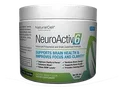
Physiological cascade sequence and bio-cellular signaling- Advanced Polyphenol Complexes: Formulations such as NeuroActiv6 combine clinically standardized polyphenol extracts - including wild blueberry anthocyanins, green tea EGCG, and coffee fruit concentrate - engineered specifically to elevate BDNF and neutralize free radicals within the frontal cortex and hippocampus.
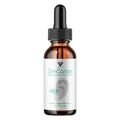
- Microvascular & Auditory Protection: To ensure that cerebral microcapillaries remain open and resilient against oxidative stiffening, formulations like ZenCortex deliver concentrated grape seed proanthocyanidins and neuro-nutrients that protect delicate auditory and cognitive micro-circuits from free radical damage.
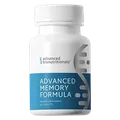
- Synaptic Phospholipid Defense: Pairing antioxidant botanicals with Advanced Memory Formula supplies the bioavailable phosphatidylserine and citicoline needed to rebuild the structural lipid membranes oxidized by free radical attacks, ensuring long-term cognitive resilience.
Frequently Asked Questions
Can drinking green tea provide enough EGCG to protect the brain?
While drinking traditional green tea provides mild antioxidant support, standard brewed tea yields only 50 mg to 90 mg of EGCG per cup, and over 85% of this is rapidly degraded by intestinal enzymes before reaching systemic circulation. Clinical trials demonstrating measurable increases in frontal EEG alpha wave activity and neuro-protection typically utilize standardized extracts delivering 300 mg to 400 mg of pure EGCG with enhanced bioavailability.
What is the difference between direct antioxidants and Nrf2 activators?
Direct antioxidants (such as Vitamin C) neutralize free radicals on a 1-to-1 stoichiometric basis: one antioxidant molecule donates one electron to neutralize one free radical, after which it becomes exhausted. In contrast, Nrf2 activators (such as resveratrol, pterostilbene, and sulforaphane) trigger the cell's genetic machinery to produce endogenous antioxidant enzymes (catalase, SOD, glutathione peroxidase). One enzyme molecule can continuously neutralize thousands of free radicals per second, providing exponentially greater and longer-lasting brain protection.
How do I know if my brain fog is caused by oxidative stress?
Brain fog caused by oxidative stress typically presents as a persistent, low-grade cognitive sluggishness that worsens during periods of mental fatigue, poor sleep, or high inflammation. Symptoms include difficulty finding words, slower reaction times, reduced executive processing speed, and feeling as though your thoughts are moving through "thick molasses." Unlike temporary lack of caffeine, oxidative brain fog does not resolve simply by drinking more coffee - it requires replenishing your cellular antioxidant reserves.
Scientific References & Validation
Full citations with PMID links, methodology notes & evidence ratings on puresupphub.com