The traditional model of dental caries (cavities) is a simple equation: Sugar + Bacteria = Acid, which leads to tooth decay. While technically true, this model misses the critical ecological dynamics of the oral cavity. This clinical audit analyzes verified pharmacology, active botanical standardized extracts, safety profiles, and published scientific literature in Oral & Dental Health.
Rethinking Dental Caries
The traditional model of dental caries (cavities) is a simple equation: Sugar + Bacteria = Acid, which leads to tooth decay. While technically true, this model misses the critical ecological dynamics of the oral cavity.
Caries are not an infectious disease in the classic sense; they are a dysbiotic disease. They occur when the balance of the oral microbiome shifts from a diverse, health-promoting community to one dominated by acidogenic (acid-producing) and aciduric (acid-tolerating) bacteria, primarily Streptococcus mutans and Lactobacillus species.
The Ecological Plaque Hypothesis
The oral cavity is a dynamic environment. Every time we consume fermentable carbohydrates, the acidogenic bacteria metabolize them, dropping the pH of the dental plaque. When the pH drops below the "critical pH" (roughly 5.5), the enamel begins to demineralize, losing calcium and phosphate ions.
In a healthy mouth, saliva eventually buffers this acid, raising the pH and allowing the enamel to remineralize.
However, in a dysbiotic mouth, the constant barrage of sugar gives the acid-loving S. mutans a massive survival advantage. They outcompete the healthy bacteria, forming a thick, acidic biofilm that overwhelms the salivary buffering capacity. The result is continuous demineralization and, eventually, a cavity.
The Probiotic Intervention
Eradicating all bacteria in the mouth (via harsh mouthwashes or antibiotics) is impossible and counterproductive, as the pathogenic strains are often the fastest to recolonize. The modern clinical approach is bacterial replacement therapy - using targeted oral probiotics to shift the ecology back to health.
Specific probiotic strains (such as Lactobacillus reuteri, Streptococcus salivarius K12/M18, and Bifidobacterium species) combat S. mutans through several mechanisms:
- Competitive Exclusion: Probiotics aggressively compete with S. mutans for binding sites on the dental pellicle and for essential nutrients, physically preventing the pathogens from establishing a foothold.
- Bacteriocin Production: Many oral probiotics secrete antimicrobial peptides (bacteriocins) that directly target and kill S. mutans and other cavity-causing pathogens.
- pH Modulation: Certain probiotic strains utilize alternative metabolic pathways (like the arginine deiminase system) that produce ammonia, an alkaline compound. This directly neutralizes the acid produced by S. mutans, keeping the plaque pH above the critical demineralization threshold.
Clinical Takeaway
Preventing cavities requires managing the oral ecology, not just scrubbing the teeth.
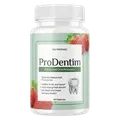
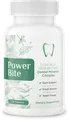
Integrating targeted probiotics via formulations like ProDentim actively alters the microbial landscape of the mouth, systematically suppressing the populations of S. mutans. When combined with mineral-supportive formulas like PowerBite, you create an environment where the pH remains stable, pathogenic acid production is neutralized, and natural remineralization can occur continuously.
Why Oral Microbiome And Immune System Needs Daily Support
The oral cavity hosts over 700 bacterial species. When pathogenic bacteria gain dominance - often due to diet, antibiotic use, or poor saliva production - they produce acids that erode enamel and inflammatory compounds that damage gum tissue.
Understanding this biological process helps explain why targeted daily support - not just isolated dietary improvements - is necessary for consistent results.
Scientific References & Validation
Full citations with PMID links, methodology notes & evidence ratings on puresupphub.com