Every single day, your teeth undergo a silent, biochemical battle. Every time you eat or drink, bacteria in your mouth feed on sugars and produce acid as a byproduct. This acid lowers the pH in your mouth, causing the protective minerals in your tooth enamel—namely calcium and phosphate—to dissolve. This destructive process is known as demineralization, and if left unchecked, it leads to microscopic weak spots, tooth sensitivity, and eventually, cavities.
Every single day, your teeth undergo a silent, biochemical battle. Every time you eat or drink, bacteria in your mouth feed on sugars and produce acid as a byproduct. This acid lowers the pH in your mouth, causing the protective minerals in your tooth enamel - namely calcium and phosphate - to dissolve. This destructive process is known as demineralization, and if left unchecked, it leads to microscopic weak spots, tooth sensitivity, and eventually, cavities.
Fortunately, your body has a built-in defense mechanism to repair this damage: your saliva. Saliva is not just water; it is a mineral-rich solution packed with calcium and phosphate ions. When the pH in your mouth returns to a safe level, your saliva deposits these minerals back into the enamel, reinforcing the tooth's structure in a process called remineralization.
By making a few minor adjustments to your daily routine, you can maximize your salivary calcium concentration and boost your enamel's natural healing power.
Key Takeaways
- The Mineral Exchange: Enamel is constantly losing and gaining minerals. Remineralization can only occur when your oral pH is neutral or slightly alkaline.
- Salivary Buffer: Saliva acts as a natural buffer, neutralizing acids and washing away food debris.
- Nighttime Vulnerability: Saliva production drops significantly while you sleep, leaving your teeth highly vulnerable to overnight acid damage.
3 Habits to Strengthen Your Enamel
1. Perform a Post-Meal Water Swish
After eating, the pH in your mouth drops and remains acidic for up to 30 minutes. If you brush your teeth immediately, you risk scrubbing away the acid-softened enamel.
The Tweak: Instead of brushing right away, wait 20 minutes. Immediately after finishing your meal, take a mouthful of plain water, swish it vigorously around your mouth for 30 seconds, and spit it out. This simple rinse neutralizes acidity, clears food particles, and allows your saliva to start the remineralization process safely.2. Stimulate Saliva with Alkaline Triggers
To remineralize your teeth effectively, you need a high volume of saliva that is rich in minerals and has an alkaline pH.
The Routine: Throughout the day, especially after snacks, chew on a sugar-free xylitol mint or chewing gum. Xylitol stimulates salivary flow while preventing harmful bacteria from producing acid. This increases the concentration of calcium and phosphate ions in your mouth, creating the ideal environment for enamel repair.3. Prevent Overnight Dry Mouth
Because salivary flow decreases at night, breathing through your mouth while sleeping dries out your oral cavity, allowing acidity to rise and demineralize your teeth for hours.
The Habit: Ensure you are well-hydrated before bed, and consider using a bedroom humidifier to keep the air moist. If you are prone to mouth breathing, practice sleeping on your side rather than your back to keep your airways clear and support natural nasal breathing, preserving your protective saliva coating overnight.Advanced Remineralization and Oral Defense
While simple rinsing and salivary stimulation are crucial, achieving complete oral health requires directly supplying your mouth with active dental minerals and neutralizing bad bacteria.
To protect your teeth and gums from the inside out:
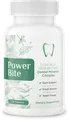
Taking PowerBite daily provides your teeth with a targeted dental mineral complex. Designed as a slow-dissolving candy, PowerBite releases essential minerals directly into your saliva, boosting salivary calcium levels and neutralizing oral acidity. This mineral-rich delivery system helps seal microscopic enamel tears, reduces tooth sensitivity, and promotes a healthy, alkaline oral environment.
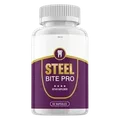
To complement this mineral support, Steel Bite Pro offers a high-potency internal formula to defend your gums and oral tissues. Packed with 29 active botanical ingredients, Steel Bite Pro targets the harmful bacteria that reside in hard-to-reach pockets, reinforcing gum tissue and protecting your teeth from the root up.
By optimizing your salivary pH, maintaining a healthy oral microbiome, and feeding your teeth the minerals they need, you can maintain a bright, strong, and healthy smile.
Why Oral Microbiome And Immune System Needs Daily Support
The oral cavity hosts over 700 bacterial species. When pathogenic bacteria gain dominance - often due to diet, antibiotic use, or poor saliva production - they produce acids that erode enamel and inflammatory compounds that damage gum tissue.
Understanding this biological process helps explain why targeted daily support - not just isolated dietary improvements - is necessary for consistent results.
How Oral Ph Regulation Works
Healthy oral function requires a balanced microbiome where beneficial Streptococcus salivarius and Lactobacillus species outcompete harmful anaerobes. These beneficial bacteria produce hydrogen peroxide and bacteriocins that naturally suppress pathogen populations.
This mechanism explains why the biological factors discussed in this article are not merely lifestyle suggestions but represent the foundational drivers of long-term oral microbiome health.
Why Oral Microbiome And Immune System Needs Daily Support
The oral cavity hosts over 700 bacterial species. When pathogenic bacteria gain dominance - often due to diet, antibiotic use, or poor saliva production - they produce acids that erode enamel and inflammatory compounds that damage gum tissue.
Understanding this biological process helps explain why targeted daily support is necessary for consistent results.
How Oral Ph Regulation Works
Healthy oral function requires a balanced microbiome where beneficial Streptococcus salivarius and Lactobacillus species outcompete harmful anaerobes. These beneficial bacteria produce hydrogen peroxide and bacteriocins that naturally suppress pathogen populations.
This mechanism explains why the biological factors discussed in this article represent the foundational drivers of long-term oral microbiome health.
Scientific References & Validation
Full citations with PMID links, methodology notes & evidence ratings on puresupphub.com