Historically, glaucoma has been viewed simply as a "plumbing problem"—a build-up of aqueous humor within the eye that raises Intraocular Pressure (IOP), mechanically crushing the optic nerve. This clinical audit analyzes verified pharmacology, active botanical standardized extracts, safety profiles, and published scientific literature in Vision & Eye Health.
Glaucoma: Beyond Intraocular Pressure
Historically, glaucoma has been viewed simply as a "plumbing problem" - a build-up of aqueous humor within the eye that raises Intraocular Pressure (IOP), mechanically crushing the optic nerve.
While elevated IOP is a major risk factor, it does not explain the entire clinical picture. A significant percentage of patients suffer from Normal-Tension Glaucoma (NTG), where the optic nerve progressively degenerates despite eye pressure remaining consistently within the normal range.
Modern neuro-ophthalmology recognizes that glaucoma is a complex neurodegenerative disease heavily influenced by vascular health and oxygen delivery. This explains the powerful, clinically validated link between glaucoma and Obstructive Sleep Apnea (OSA).
The Hypoxic Insult of Sleep Apnea
OSA is characterized by repeated episodes of partial or complete airway obstruction during sleep, causing breathing to stop for seconds to minutes. These apneas trigger a cascade of systemic trauma that directly impacts the optic nerve:
- Intermittent Hypoxia: During an apnea event, blood oxygen levels plummet (hypoxemia). The optic nerve - a massive bundle of over a million highly metabolic nerve fibers - is incredibly sensitive to oxygen deprivation. Repeated, nightly hypoxic insults cause direct ischemic damage to the Retinal Ganglion Cells (RGCs) that form the nerve.
- Vascular Dysregulation: The sudden drops in oxygen trigger a massive release of sympathetic stress hormones (adrenaline, noradrenaline). This causes systemic vasoconstriction, severely reducing the blood flow (perfusion pressure) to the optic nerve head, exactly when it needs oxygen the most.
- Oxidative Stress Reperfusion: When breathing resumes, the sudden rush of oxygenated blood back into the ischemic tissues generates a massive burst of Reactive Oxygen Species (ROS) - a phenomenon known as ischemia-reperfusion injury. This oxidative storm damages the mitochondria of the optic nerve cells, accelerating their apoptosis.
The Mechanical Factor
Furthermore, the violent respiratory efforts attempting to overcome the obstructed airway (the Valsalva maneuver) can cause transient, dramatic spikes in intracranial and intraocular pressure during the night, causing episodic mechanical stress on the lamina cribrosa (the mesh-like structure the optic nerve passes through).
Clinical Takeaway
If you are experiencing progressive visual field loss, particularly if your eye pressure is normal, your sleep architecture must be evaluated. You cannot protect the optic nerve if you are suffocating it every night.
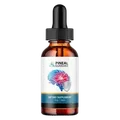
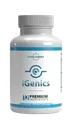
Addressing this requires addressing the sleep disruption. Pineal Guardian is formulated to support deep, restorative sleep cycles and calm the neurological stress responses that exacerbate sleep disordered breathing. Simultaneously, utilizing iGenics provides the localized, potent antioxidants required to protect the Retinal Ganglion Cells from the oxidative damage of ischemia-reperfusion injury, offering vital neuroprotection to the optic nerve.
Why Ocular And Vascular System Needs Daily Support
Age-related macular degeneration (AMD) begins with oxidative damage to photoreceptor cells decades before visual symptoms emerge. UV exposure, blue light from screens, and systemic inflammation all accelerate this cellular deterioration.
Understanding this biological process helps explain why targeted daily support - not just isolated dietary improvements - is necessary for consistent results.
How Retinal Antioxidant Protection Works
The macula - the central region of the retina responsible for sharp vision - has the highest metabolic activity and oxygen demand in the body. Lutein and zeaxanthin accumulate in the macular pigment layer, acting as biological blue-light filters and antioxidants.
This mechanism explains why the biological factors discussed in this article are not merely lifestyle suggestions but represent the foundational drivers of long-term ocular health.
Why Ocular And Vascular System Needs Daily Support
Age-related macular degeneration (AMD) begins with oxidative damage to photoreceptor cells decades before visual symptoms emerge. UV exposure, blue light from screens, and systemic inflammation all accelerate this cellular deterioration.
Understanding this biological process helps explain why targeted daily support is necessary for consistent results.
How Retinal Antioxidant Protection Works
The macula has the highest metabolic activity and oxygen demand in the body. Lutein and zeaxanthin accumulate in the macular pigment layer, acting as biological blue-light filters and antioxidants that protect retinal photoreceptors from oxidative damage.
This mechanism explains why the biological factors discussed in this article represent the foundational drivers of long-term ocular health.
Scientific References & Validation
Full citations with PMID links, methodology notes & evidence ratings on puresupphub.com