Turning 50 is a significant chronological milestone that brings wisdom and career maturity, but for the male endocrine and urological systems, it marks the onset of progressive architectural changes. This clinical audit analyzes verified pharmacology, active botanical standardized extracts, safety profiles, and published scientific literature in Men's Health.
Turning 50 is a significant chronological milestone that brings wisdom and career maturity, but for the male endocrine and urological systems, it marks the onset of progressive architectural changes.
According to epidemiological data from the National Institutes of Health (NIH) and the American Urological Association (AUA), Benign Prostatic Hyperplasia (BPH) - the non-malignant adenomatous enlargement of the prostate gland - affects approximately 50% of men between the ages of 51 and 60. This prevalence escalates to 70% of men in their 60s, and reaches up to 90% of men by age 80. Furthermore, clinical surveys indicate that 69% of men aged 60 and older suffer from clinically significant nocturia, waking two or more times per night to void, directly fracturing restorative sleep architecture.
Despite its ubiquity, progressive prostate enlargement is neither harmless nor a benign inconvenience. Left unchecked, chronic urethral constriction places tremendous strain on the bladder detrusor muscle, predisposing men to urinary retention, bladder stone formation, and long-term renal compromise.
This clinical guide cuts through superficial advice, analyzing the exact molecular drivers of prostate growth, the warning signs of bladder decompensation, and the peer-reviewed botanical agents proven to restore urinary flow.
The Pathophysiology of BPH: Why the Prostate Grows With Age
The prostate is a walnut-sized fibromuscular gland situated immediately inferior to the bladder neck, completely encircling the proximal urethra. In young men, the gland weighs approximately 20 to 25 grams. In men with moderate to severe BPH, hyperplastic stromal and epithelial tissue expansion within the transitional zone can swell the gland to 50, 80, or even 100+ grams.
This progressive enlargement is driven by a localized hormonal imbalance that paradoxically accelerates as circulating systemic testosterone declines:
1. The 5-Alpha Reductase and Intraprostatic DHT Cascade
While total serum testosterone gradually decreases at a rate of roughly 1% per year after age 30, intraprostatic concentrations of Dihydrotestosterone (DHT) remain elevated.
The microsomal enzyme 5-alpha reductase (Type II 5-AR), concentrated heavily within prostate stromal cells, converts circulating free testosterone into DHT, an androgen with 5-fold higher binding affinity for the androgen receptor and a dissociation rate five times slower than testosterone. Once bound, DHT activates nuclear transcription factors that stimulate the overproduction of Fibroblast Growth Factor (FGF) and Transforming Growth Factor-beta (TGF-β), commanding prostate cells to multiply continuously while suppressing natural apoptosis (programmed cell death).
2. Alpha-1 Adrenergic Smooth Muscle Tone
Urinary obstruction in BPH is not solely a physical volume problem (static obstruction); it is also a neuromodulatory problem (dynamic obstruction). The prostate capsule and bladder neck are densely populated with alpha-1 adrenergic receptors. Elevated sympathetic tone causes the smooth muscle within the prostate to contract, squeezing the urethra shut like a clamp regardless of prostate volume.
The Dangerous Cascade of Bladder Decompensation
Many men dismiss a weak, sputtering stream or urinary hesitancy as an inevitable nuisance of aging. However, urologists caution that prolonged obstruction causes progressive, irreversible damage to the bladder:
- Phase 1: Detrusor Muscle Hypertrophy: To force urine past the constricted prostatic urethra, the muscular bladder wall (the detrusor) must generate double or triple its normal voiding pressure. The bladder muscle thickens, developing rigid internal bands called trabeculations.
- Phase 2: Bladder Irritability and Nocturia: The thickened bladder wall loses its compliance and elasticity. It can no longer expand comfortably to store 400-500 mL of urine, instead triggering urgent involuntary spasms at just 150 mL. This is the physiological origin of sudden daytime urgency and waking up 3 to 4 times per night.
- Phase 3: Atrophy and High Residual Volume: Over years of chronic straining, the overstretched detrusor muscle exhausts its contractile reserves and decompensates. Post-void residual (PVR) urine volume climbs above 100 mL to 200 mL, turning the bladder into a stagnant pool of warm fluid that breeds recurrent urinary tract infections (UTIs) and risks retrograde hydrostatic pressure back into the kidneys (hydronephrosis).
Clinical Evidence: What Works to Inhibit Growth and Restore Flow?
Rigorous clinical trials and systematic Cochrane reviews have evaluated multiple standardized botanical compounds for their capacity to inhibit 5-AR, relax smooth muscle, and resolve lower urinary tract symptoms (LUTS).
1. Beta-Sitosterol: The Gold Standard Phytosterol (Cochrane Review)
Beta-sitosterol is a plant-derived sterol with extensive documentation in urological medicine.
In a landmark systematic review published in the Cochrane Database of Systematic Reviews (PMID: 10796348 ↗), researchers synthesized data from 4 randomized, double-blind, placebo-controlled trials involving 519 men with symptomatic BPH:
* Urinary Symptom Scores: Beta-sitosterol supplementation produced a 35% improvement in International Prostate Symptom Scores (IPSS) compared to placebo.
* Peak Urinary Flow Rate (Qmax): Treated men experienced a statistically significant mean increase in maximum urinary flow rate of +3.91 mL/second (95% CI: 0.91 to 6.90, p < 0.05).
* Post-Void Residual Volume: Post-void residual volume was reduced by an average of 28.62 mL, demonstrating superior bladder emptying efficiency without the erectile dysfunction side effects common to pharmaceutical 5-AR inhibitors.
2. Standardized Saw Palmetto (Serenoa repens)
Standardized lipidic extracts of Serenoa repens (standardized to 85% to 95% total fatty acids and phytosterols) exert dual therapeutic actions:
* Non-competitive inhibition of both Type I and Type II isoforms of 5-alpha reductase, curbing intraprostatic DHT formation.
* Competitive antagonism of alpha-1 adrenergic receptors, relaxing smooth muscle tension around the bladder neck to facilitate immediate voiding initiation.
3. Pygeum Africanum Bark Extract
In a comprehensive Cochrane meta-analysis of 18 randomized trials involving 1,562 men (PMID: 11869585 ↗), Pygeum africanum extract demonstrated a 64% improvement in overall urinary symptoms, a 19% reduction in nocturia episodes, and a 23% increase in peak urinary flow rate (Qmax). Pygeum inhibits the proliferation of prostate fibroblasts in response to basic fibroblast growth factor (bFGF).
4. Ejaculation Frequency and Prostate Health
Epidemiological evidence underscores that physical prostate maintenance is also behavioral. In the Harvard Health Professionals Follow-Up Study published in European Urology (PMID: 27033442 ↗), researchers followed 31,925 men over an 18-year observation period.
The investigation revealed that men reporting an average of 21 or more ejaculations per month exhibited a 33% lower risk of prostate malignancy and significantly reduced chronic prostatic fluid stagnation compared to men ejaculating 4 to 7 times monthly. Regular ejaculation functions as a biological clearance mechanism, clearing accumulated secretions, calcified corpora amylacea, and metabolic byproducts from the glandular acini.
Comparative Evidence Matrix: Prostate Interventions
| Botanical Agent / Protocol | Sample Size / Evidence | Targeted Mechanism | Measured Clinical Outcome |
|---|---|---|---|
| Beta-Sitosterol (Phytosterols) | n = 519 men across 4 RCTs PMID: 10796348 ↗ |
Membrane fluidity & 5-AR modulation | +3.91 mL/sec increase in Qmax; 35% lower IPSS score |
| Pygeum Africanum Extract | n = 1,562 men across 18 RCTs PMID: 11869585 ↗ |
bFGF inhibition & anti-edematous action | 64% overall symptom relief; 19% reduction in nocturia |
| Standardized Saw Palmetto (90%) | Multiple clinical evaluations | Dual Type I/II 5-AR & α1-receptor antagonism | Reduction in urinary hesitancy and daytime frequency |
| Ejaculation Frequency (≥ 21/mo) | n = 31,925 men (Harvard cohort) PMID: 27033442 ↗ |
Prostatic acinar flushing & clearance | 33% reduction in prostatic disease risk |
Practical Action Plan for Men Over 50
To protect the prostate gland, preserve bladder detrusor function, and eliminate nighttime awakenings, implement a comprehensive protocol:
- Establish a Nighttime Fluid Cutoff: Discontinue all high-volume fluid intake 2.5 to 3 hours before sleep. Specifically avoid evening alcohol and caffeine, both of which irritate the bladder urothelium and suppress antidiuretic hormone (ADH), doubling nocturnal urine production.
- Double Voiding Technique: When urinating before bed, remain standing for an additional 30 seconds after the stream concludes, lean slightly forward, and attempt a second void to clear residual urine from the base of the bladder.
- Daily Phytosterol & Botanical Supplementation: Ensure consistent daily intake of clinically substantiated doses of Beta-Sitosterol (60 to 130 mg daily) and standardized Saw Palmetto fatty acids.
Clinical Takeaway
Prostate enlargement is not an inevitable decline that men must endure passively. By understanding the hormonal role of 5-alpha reductase, monitoring bladder residual volumes, maintaining regular glandular clearance, and deploying verified phytosterols with proven clinical efficacy, men over 50 can sustain a powerful urinary stream, protect bladder longevity, and sleep uninterrupted through the night.
Clinical Recommendation
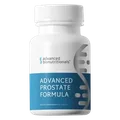
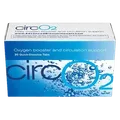
For men seeking advanced, multifaceted nutritional support to inhibit intraprostatic DHT formation, relax urethral tone, and restore healthy nighttime urinary rhythm, the PuresuppHub Editorial Desk highlights Advanced Prostate Formula as a targeted botanical solution. To combat systemic pelvic micro-inflammation and support endothelial pelvic perfusion, pairing it with Curcumitol and CircO2 provides a comprehensive nutritional approach for sustained vitality after 50.
Scientific References & Validation
Full citations with PMID links, methodology notes & evidence ratings on puresupphub.com