Dental enamel is the hardest substance in the human body, composed of 96% mineral, primarily in the form of hydroxyapatite crystals. Despite its extreme hardness, enamel is not a static, dead tissue. It exists in a constant, dynamic state of flux with the surrounding oral environment, constantly undergoing microscopic cycles of demineralization and remineralization.
The Dynamic Equilibrium of Enamel
Dental enamel is the hardest substance in the human body, composed of 96% mineral, primarily in the form of hydroxyapatite crystals. Despite its extreme hardness, enamel is not a static, dead tissue. It exists in a constant, dynamic state of flux with the surrounding oral environment, constantly undergoing microscopic cycles of demineralization and remineralization.
Understanding this chemical equilibrium is the key to preventing cavities and preserving the structural integrity of the teeth over a lifetime.
The Demineralization Attack
Every time you consume fermentable carbohydrates (sugars and starches), the acidogenic bacteria in your dental plaque metabolize them, producing lactic acid as a byproduct.
As the acid accumulates, the pH of the plaque drops rapidly. When the pH falls below the "critical pH" (approximately 5.5 for enamel, and 6.2 for the softer dentin exposed by receding gums), the environment becomes acidic enough to dissolve the hydroxyapatite crystals. Calcium and phosphate ions are stripped from the enamel structure and lost into the saliva. This is demineralization.
Saliva: The Ultimate Remineralizing Agent
The body's primary defense against demineralization is saliva. Saliva is not just water; it is a complex, supersaturated solution of calcium, phosphate, and bicarbonate buffers.
- Buffering Capacity: The bicarbonate in saliva rapidly neutralizes the bacterial acids, raising the pH back above the critical threshold and halting the dissolution of the enamel.
- Mineral Precipitation: Once the pH is neutralized, the high concentration of calcium and phosphate ions in the saliva allows the chemical reaction to reverse. These ions precipitate out of the saliva and are re-deposited back into the porous, demineralized enamel matrix, rebuilding the hydroxyapatite crystals. This is remineralization.
The Modern Imbalance
In the modern world, this delicate equilibrium is often broken. Frequent snacking, diets high in refined sugars, and chronic dry mouth (xerostomia, often caused by medications or stress) mean the teeth are subjected to prolonged, frequent acid attacks without sufficient time or salivary volume to remineralize. The net result is a progressive loss of mineral density, leading to microscopic porosities, white spot lesions, and eventually, cavitation.
Clinical Takeaway
To protect your teeth, you must actively shift the balance from demineralization toward remineralization.
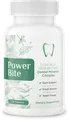
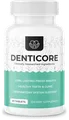
Formulations like PowerBite are engineered specifically for this purpose, providing highly bioavailable calcium and proprietary mineral blends that saturate the oral environment with the exact building blocks required for hydroxyapatite repair. When combined with DentiCore, which supports the underlying vascular health and structural integrity of the tooth-supporting tissues, you ensure your teeth have the mineral density required to withstand the daily acidic onslaught.
Why Oral Microbiome And Immune System Needs Daily Support
The oral cavity hosts over 700 bacterial species. When pathogenic bacteria gain dominance - often due to diet, antibiotic use, or poor saliva production - they produce acids that erode enamel and inflammatory compounds that damage gum tissue.
Understanding this biological process helps explain why targeted daily support - not just isolated dietary improvements - is necessary for consistent results.
How Oral Ph Regulation Works
Healthy oral function requires a balanced microbiome where beneficial Streptococcus salivarius and Lactobacillus species outcompete harmful anaerobes. These beneficial bacteria produce hydrogen peroxide and bacteriocins that naturally suppress pathogen populations.
This mechanism explains why the biological factors discussed in this article are not merely lifestyle suggestions but represent the foundational drivers of long-term oral microbiome health.
Why Oral Microbiome And Immune System Needs Daily Support
The oral cavity hosts over 700 bacterial species. When pathogenic bacteria gain dominance - often due to diet, antibiotic use, or poor saliva production - they produce acids that erode enamel and inflammatory compounds that damage gum tissue.
Understanding this biological process helps explain why targeted daily support is necessary for consistent results.
How Oral Ph Regulation Works
Healthy oral function requires a balanced microbiome where beneficial Streptococcus salivarius and Lactobacillus species outcompete harmful anaerobes. These beneficial bacteria produce hydrogen peroxide and bacteriocins that naturally suppress pathogen populations.
This mechanism explains why the biological factors discussed in this article represent the foundational drivers of long-term oral microbiome health.
Scientific References & Validation
Full citations with PMID links, methodology notes & evidence ratings on puresupphub.com