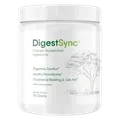
To understand gastrointestinal health, one must understand the distinct geography of the human microbiome. The vast majority of our trillions of gut bacteria are meant to reside in the large intestine (colon), where they ferment indigestible fibers. This clinical audit analyzes verified pharmacology, active botanical standardized extracts, safety profiles, and published scientific literature in General Wellness.
The Geography of the Gut Microbiome
To understand gastrointestinal health, one must understand the distinct geography of the human microbiome. The vast majority of our trillions of gut bacteria are meant to reside in the large intestine (colon), where they ferment indigestible fibers.
Conversely, the small intestine - where 90% of nutrient absorption occurs - is designed to be relatively sterile. When the protective mechanisms of the gut fail, bacteria from the colon migrate upward and colonize the small intestine. This pathological condition is known as Small Intestinal Bacterial Overgrowth (SIBO).
The Pathophysiology of SIBO: Why It Happens
SIBO is rarely the primary disease; it is almost always a secondary consequence of a structural or functional failure in the digestive tract. The primary defense mechanism against SIBO is the Migrating Motor Complex (MMC).
The MMC is a recurring, electromechanical sweeping wave that moves through the stomach and small intestine every 90 to 120 minutes during fasting (between meals and during sleep). It acts as the gut's "street sweeper," flushing residual food and bacteria down into the colon.
When the MMC is damaged - often due to chronic stress, food poisoning (post-infectious IBS), or hypothyroidism - the sweeping action stops. Stagnation occurs, and bacteria are allowed to overgrow in the nutrient-rich environment of the small intestine.
The Fermentation Crisis and Systemic Symptoms
When you consume carbohydrates (especially fermentable fibers known as FODMAPs), the overgrown bacteria in the small intestine metabolize them before you can absorb them.
- Massive Gas Production: The bacteria rapidly ferment the sugars, producing immense volumes of hydrogen or methane gas. This causes extreme, painful bloating, distention, and altered motility (diarrhea or severe constipation).
- Malabsorption: The bacteria consume your vital nutrients (particularly Vitamin B12 and iron) and deconjugate bile acids, leading to fat malabsorption and steatorrhea.
- Endotoxemia: The sheer volume of bacteria in an area not designed for them damages the delicate microvilli of the small intestine, causing severe "Leaky Gut." Bacterial endotoxins (LPS) flood the bloodstream, causing profound systemic symptoms like brain fog, joint pain, and chronic fatigue.
Clinical Takeaway
SIBO cannot be cured simply by taking probiotics or eating more fiber - in fact, in the presence of SIBO, standard probiotics and prebiotics often fuel the overgrown bacteria and make the severe bloating much worse.
Eradicating SIBO requires a strategic, phased approach. First, digestion must be optimized higher up in the tract; DigestSync provides the enzymes and digestive support to break food down rapidly, depriving the overgrown bacteria of fermentable food sources. Once the overgrowth is cleared and motility is restored, PrimeBiome can be utilized to repopulate the colon with healthy flora and heal the damaged intestinal barrier.
Scientific References & Validation
Full citations with PMID links, methodology notes & evidence ratings on puresupphub.com