Chronic joint discomfort, morning stiffness, and the gradual breakdown of articular cartilage are common physical challenges that significantly limit quality of life. For decades, the standard approach to managing joint issues has relied on synthetic non-steroidal anti-inflammatory drugs (NSAIDs). However, long-term use of these medications is often associated with gastrointestinal discomfort and cardiovascular risks.
Chronic joint discomfort, morning stiffness, and the gradual breakdown of articular cartilage are common physical challenges that significantly limit quality of life. For decades, the standard approach to managing joint issues has relied on synthetic non-steroidal anti-inflammatory drugs (NSAIDs). However, long-term use of these medications is often associated with gastrointestinal discomfort and cardiovascular risks.
As a result, research in orthopedics and pharmacognosy is increasingly validating natural, gut-friendly botanical alternatives. The most promising and clinically researched of these is Boswellia Serrata, a gum resin extract with a history of use in Ayurvedic medicine for treating inflammatory joint conditions.
But what is Boswellia Serrata for, how does it target the inflammatory pathways in your joints, and how can it protect your cartilage from daily wear and tear? Let's analyze the science behind this natural joint defender.
What is Boswellia Serrata?
Boswellia Serrata, also known as Indian Frankincense, is a branching tree native to dry, mountainous regions of India, North Africa, and the Middle East. When the tree's bark is tapped, it secretes a gummy oleoresin.
This resin contains a group of active pentacyclic triterpene acids, known collectively as boswellic acids. Among these, AKBA (3-O-acetyl-11-keto-β-boswellic acid) has been identified as the most potent anti-inflammatory compound, responsible for the resin's therapeutic actions on joint and connective tissues.
What is Boswellia Serrata For in Joint Health?
In modern sports nutrition and clinical joint therapies, Boswellia Serrata is used to maintain structural flexibility and comfort. Its primary applications include:
1. Relieving Joint Discomfort and Swelling
Inflammatory markers accumulate in joint spaces, causing swelling, pain, and limited movement. Boswellia is used to reduce these markers, providing relief in weight-bearing joints like the knees, hips, and lower back.
2. Improving Morning Flexibility and Ease of Movement
Stiffness after waking is a common indicator of joint lining inflammation. By lowering overnight inflammatory accumulation, Boswellia helps reduce morning stiffness, allowing for smoother, pain-free mobility early in the day.
3. Protecting Cartilage from Enzymatic Breakdown
Degenerative joint conditions involve the active degradation of cartilage by the body's own enzymes. Boswellia is utilized to inhibit these cartilage-destroying enzymes, helping to preserve the protective cushioning between bones.
How It Acts: The Cellular Mechanisms of Action
Boswellia Serrata targets joint issues through specific biochemical pathways:
A. Selective 5-LOX Inhibition (Non-COX Target)
Unlike standard NSAIDs that work by blocking the cyclooxygenase (COX) pathways (which can lead to stomach lining irritation), Boswellia acts via a completely different pathway. Boswellic acids - specifically AKBA - are selective inhibitors of the 5-lipoxygenase (5-LOX) enzyme. 5-LOX is the key enzyme responsible for producing leukotrienes, inflammatory molecules that trigger cell migration to joint spaces, driving swelling, cartilage destruction, and pain. By shutting down 5-LOX, Boswellia addresses joint issues without compromising gastrointestinal lining.
B. Inhibition of Matrix Metalloproteinases (MMPs)
Articular cartilage is made of collagen and proteoglycans. During chronic joint stress, inflammatory signals trigger the release of Matrix Metalloproteinases (MMPs) - enzymes like MMP-3, MMP-9, and MMP-13 that degrade cartilage tissue. AKBA has been shown to downregulate the expression of these enzymes, helping to preserve the joint's structural integrity.
C. Reduction of TNF-α and NF-κB Activation
At a transcription level, boswellic acids inhibit the activation of Nuclear Factor-kappa B (NF-κB), the primary molecular switch that tells the cell to produce pro-inflammatory cytokines, including Tumor Necrosis Factor-alpha (TNF-α) and Interleukin-1 beta (IL-1β). This broad-spectrum cellular regulation helps calm chronic inflammatory cycles in the joints.
Synergistic Musculoskeletal Support
To achieve optimal joint protection, Boswellia Serrata is most effective when combined with direct building blocks of joint cartilage (such as glucosamine) or other anti-inflammatory botanicals (like turmeric curcumin).
You can find standardized Boswellia Serrata in formulas like:
* JointEternal: A daily capsule designed to support joint integrity and flexibility, combining Boswellia with Glucosamine, Turmeric, and Ginger Root.
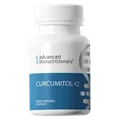
* Curcumitol: A high-potency turmeric formula that integrates Boswellia extract and BioPerine to maximize absorption and manage chronic joint stiffness.
Regular, daily use of Boswellia-containing supplements allows the active boswellic acids to reach consistent therapeutic levels in the synovial fluid surrounding your joints.
Scientific References & Validation
Full citations with PMID links, methodology notes & evidence ratings on puresupphub.com