Deep within the center of the human brain lies a tiny, pinecone-shaped endocrine gland known as the pineal gland. Despite its small size, this gland plays a massive role in regulating your systemic health, serving as the master producer of melatonin—the hormone responsible for controlling your sleep-wake cycles (circadian rhythms).
Deep within the center of the human brain lies a tiny, pinecone-shaped endocrine gland known as the pineal gland. Despite its small size, this gland plays a massive role in regulating your systemic health, serving as the master producer of melatonin - the hormone responsible for controlling your sleep-wake cycles (circadian rhythms).
However, because the pineal gland lies outside the blood-brain barrier and has an extremely high rate of blood flow, it is highly susceptible to accumulation of systemic minerals, particularly fluoride. Over time, fluoride binds to calcium in the gland, leading to calcification. This calcification degrades the gland's ability to synthesize melatonin, resulting in chronic sleep disruptions, brain fog, and cognitive decline.
To reverse this cellular calcification, researchers have turned to natural chelators. One of the most promising botanical agents validated by clinical science is Tamarind (Tamarindus indica).
But what is Tamarind for, how does it promote fluoride detoxification, and how does it help restore pineal gland function? Let's explore the science of this neuro-protective extract.
What is Tamarind?
Tamarind is a hardwood tree native to tropical Africa, producing pod-like fruit containing a sweet-sour pulp. While long utilized in traditional medicine to support digestion and fight systemic inflammation, modern biochemistry has revealed that the active organic acids (such as tartaric acid) and essential minerals present in tamarind pulp serve as potent natural agents for internal cleansing.
Specifically, clinical trials have shown that tamarind pulp extract possesses the unique ability to mobilize and accelerate the excretion of accumulated fluoride from human bone and soft tissues.
What is Tamarind For in Brain and Pineal Health?
In advanced cognitive and sleep wellness protocols, Tamarind is utilized to target the root causes of pineal gland calcification. Its primary applications include:
1. Accelerating Fluoride Detoxification
Fluoride is a pervasive mineral found in public water supplies, dental products, and processed foods. Because the pineal gland acts as a magnet for fluoride, Tamarind is used as a systemic flushing agent to help mobilize and clear these stored minerals from the body.
2. Decalcifying the Pineal Gland
When fluoride accumulates in the pineal gland, it forms hard calcium-fluoride crystals. By encouraging the clearance of fluoride, Tamarind helps prevent further crystal deposition and assists in slowly dissolving existing calcified layers, restoring the gland's porous, active state.
3. Restoring Sleep Quality and Circadian Rhythms
A calcified pineal gland cannot produce adequate levels of melatonin at night, leading to insomnia, shallow sleep cycles, and morning fatigue. Decalcification via Tamarind support helps normalize melatonin synthesis, restoring deep, restorative sleep.
How It Acts: The Cellular Mechanisms of Action
Tamarind supports your pineal and cognitive health through two primary physiological pathways:
A. Promotion of Urinary Fluoride Excretion
Clinical research has demonstrated that adding tamarind to the diet significantly increases the urinary excretion of fluoride. The active organic acids in tamarind are believed to bind to systemic fluoride ions in the bloodstream, forming soluble complexes that are easily filtered and excreted by the kidneys. This reduces the circulating pool of fluoride, stopping it from depositing in the pineal gland.
B. Prevention of Calcium-Fluoride Crystallization
By lowering systemic fluoride levels, Tamarind shifts the chemical equilibrium inside the pineal gland. With less fluoride available to bind with calcium, the rate of calcification slows down, allowing the body's natural cellular cleanup processes (autophagy) to remove damaged mineral deposits from the pineal tissues.
Synergistic Neuro-Detoxification
To safely decalcify the pineal gland and boost cognitive performance, Tamarind should be combined with other neuro-protective agents. Ingredients like pine bark extract (which improves blood flow to the brain) and chlorella (which binds heavy metals) work alongside Tamarind to provide a complete cellular shield.
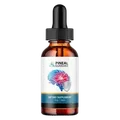
This synergistic combination is found in Pineal Guardian, a specialized dietary supplement formulated to decalcify the pineal gland, clear brain fog, and support healthy cognitive function. Pineal Guardian integrates standardized Tamarind extract with pine bark, chlorella, and ginkgo biloba, delivering a comprehensive protocol that flushes toxins, protects brain tissues, and restores deep, natural sleep cycles.
Scientific References & Validation
Full citations with PMID links, methodology notes & evidence ratings on puresupphub.com