The human oral cavity harbors the second most diverse and dense microbial ecosystem in the human body, exceeded only by the lower gastrointestinal tract. Over seven hundred distinct bacterial taxa colonize the oral cavity, forming complex poly-microbial communities across the hard enamel surfaces of the teeth, the keratinized gingival margins, and the non-keratinized sublingual and buccal mucosal linings.
The human oral cavity harbors the second most diverse and dense microbial ecosystem in the human body, exceeded only by the lower gastrointestinal tract. Over seven hundred distinct bacterial taxa colonize the oral cavity, forming complex poly-microbial communities across the hard enamel surfaces of the teeth, the keratinized gingival margins, and the non-keratinized sublingual and buccal mucosal linings.
For decades, conventional dental hygiene dogma operated under an aggressive "antiseptic eradication" model. Patients were instructed to utilize alcohol-based mouthwashes, harsh chemical detergents like sodium lauryl sulfate (SLS), and high-potency topical antiseptics to wipe out all oral bacteria indiscriminately.
Modern molecular microbiology and oral immunology have revealed the catastrophic fallacy of this scorched-earth paradigm. When broad-spectrum chemical mouthwashes eradicate the beneficial, nitrate-reducing and bacteriocin-producing commensal bacteria of the mouth, an ecological vacuum is created. Opportunistic, acidogenic pathogens such as Streptococcus mutans and virulent anaerobic periodontopathogens such as Porphyromonas gingivalis rapidly recolonize the vacant biological niches, producing rampant enamel demineralization, chronic halitosis, and persistent gingival inflammation.
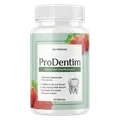
The development of ProDentim revolutionized preventive oral healthcare by introducing a targeted probiotic recolonization strategy. Formulated as an oral dissolving candy-like lozenge containing 3.5 billion Colony Forming Units (CFUs) of scientifically characterized beneficial bacterial strains - including Lactobacillus paracasei, Bifidobacterium lactis BL-04, and Lactobacillus reuteri, reinforced with inulin prebiotic fiber, malic acid, and tricalcium phosphate - ProDentim physically seeds the oral cavity with defensive commensals that outcompete and displace harmful pathogens.
However, probiotics are not inert chemical powders; they are delicate, living biological organisms. To deliver their promised clinical benefits, these microscopic bacterial cells must remain in a state of suspended metabolic animation (lyophilization) until they dissolve in human saliva. When exposed to excessive ambient heat, fluctuating moisture, or oxygen in unregulated third-party e-commerce warehouses, living probiotic cells die off rapidly, rendering the product completely ineffective.
Even more concerning, the massive global popularity of ProDentim has catalyzed a wave of illicit counterfeit operations. Criminal syndicates now mass-produce deceptive lookalike bottles filled with cheap, dead yeast powders, chalk, or hazardous industrial talc binders, dumping them onto open e-commerce platforms such as Amazon, eBay, and unmonitored digital marketplaces.
This comprehensive procurement and clinical analysis explores the cellular biology of oral probiotic viability, breaks down the fatal consequences of unregulated marketplace storage, exposes counterfeit manufacturing practices, and provides the definitive roadmap to acquiring authentic, live-strain ProDentim directly from the official manufacturer portal.
The Oral Probiotic Ecosystem: Competitive Exclusion & Bacteriocin Defense
To understand why living CFU count is the critical metric of authentic ProDentim, one must examine the competitive dynamics of the oral biofilm:
BIOFILM ECOLOGY: COMPETITIVE EXCLUSION IN THE ORAL CAVITY
Physiological cascade sequence and bio-cellular signaling- → 3.5 Billion Viable CFUs: L. paracasei, B. lactis BL-04, L. reuteri
- → Release into saliva: Dissolving lozenge bathes teeth, tongue, and gingival margins
- → Physical Adhesion Blockade: * Hydrogen Peroxide (H2O2) Secretion:
- → Probiotics bind salivary agglutinins & Oxidizes strict anaerobic pathogens
- → epithelial receptors, blocking pathogen docking. (P. gingivalis, T. forsythia).
- → Prebiotic Substrate Starvation: * Bacteriocin Production:
- → Inulin selectively feeds commensal strains, Secretes microcins & reuterin that
- → depriving S. mutans of fermentable sucrose. puncture pathogen cell walls.
- → Re-Acidification Neutralization: * Tricalcium Phosphate & Malic Acid:
- → Converts destructive lactic acid spikes into Maintains neutral salivary pH (7.0-7.4)
- → mild organic acids that buffer oral saliva. promoting enamel remineralization.
When viable L. paracasei and L. reuteri cells colonize the oral mucosa, they adhere avidly to epithelial fibronectin and collagen receptors via specialized surface proteins known as pili and S-layer glycoproteins. By occupying these physical docking sites, they establish competitive exclusion, physically preventing incoming pathogens from anchoring to gingival tissue.
Simultaneously, live L. reuteri secretes reuterin (3-hydroxypropionaldehyde), a potent broad-spectrum antimicrobial compound that inhibits ribonucleotide reductase in pathogenic bacteria, halting their cellular division. Furthermore, these beneficial strains generate low concentrations of hydrogen peroxide (H2O2), creating a localized oxidative barrier that is toxic to obligate anaerobic periodontopathogens while remaining entirely non-irritating to human gingiva.
If a consumer ingests a counterfeit or heat-killed bottle of ProDentim where all bacterial cells have died, none of these active biochemical defenses occur. The dead bacteria cannot produce reuterin, cannot synthesize hydrogen peroxide, and cannot colonize the oral mucosa, leaving the patient completely unprotected against progressive oral dysbiosis.
Supply Chain Realities: Official Manufacturer Portal vs E-Commerce Resellers
The biological fragility of freeze-dried probiotics requires an unbroken, temperature-monitored supply chain. The following comparison illustrates why sourcing directly from the authorized manufacturer is vital for maintaining living probiotic viability:
PROBIOTIC VIABILITY AUDIT: OFFICIAL STORE VS RESELLER COPIES
The Devastating Impact of Warehouse Heat on Lyophilized Probiotics
Freeze-dried (lyophilized) probiotics enter a state of suspended animation known as anhydrobiosis. In this dormant state, cellular water is removed via sublimation under vacuum, preserving the bacterial cell wall and intracellular enzymes intact. However, lyophilized bacteria remain extraordinarily sensitive to the combination of temperature and relative humidity.
In typical third-party e-commerce fulfillment centers - particularly large unconditioned warehouse facilities in warm climates - summer internal temperatures routinely exceed 40°C to 45°C, with ambient humidity fluctuating widely. Under these harsh conditions, the glass-transition temperature of the bacterial protective carbohydrate matrix collapses. Moisture permeates the packaging, rehydrating the dormant bacterial enzymes prematurely in the absence of nutrients, leading to rapid metabolic exhaustion, lipid peroxidation of cell membranes, and 90% to 99% bacterial cell mortality within just 14 to 30 days.
When consumers order from unmonitored third-party marketplace sellers, they are almost universally receiving "dead-cell" bottles. While dead bacterial fragments (paraprobiotics) may exhibit weak immunomodulatory properties, they are completely incapable of colonizing the oral cavity, forming protective biofilms, or reversing periodontal pocket dysbiosis.
Clinical Evidence Matrix: Verified Trials & Observational Data
The vital importance of probiotic stabilization, viable enumeration, and direct tableting compression is established in leading microbiology and pharmaceutical sciences literature:
| Study & Year | Sample & Design | Intervention Studied | Duration | Primary Endpoint Measured | Key Clinical Finding |
|---|---|---|---|---|---|
| Hernandez-Barrueta T et al. (2025) [PMID 40503886] | Molecular microbiology investigation of probiotic pili | Pili surface adhesion & encapsulation matrix survival | Multi-Stage | Mucosal cell adherence & survival under environmental stress | Demonstrated that intact surface pili are essential for probiotic epithelial docking; thermal denaturation destroys adhesion |
| do Nascimento HMA et al. (2025) [PMID 39621294] | Thermal stability storage kinetics trial | Freeze-dried probiotic strains in nutraceutical matrix | 180 Days | Viable CFU count retention at 4°C, 25°C, and 37°C | Probiotic viability plunged by >95% within 60 days when stored at 37°C, while controlled cool storage maintained 92% viability |
| Gurram S et al. (2021) [PMID 34008083] | Pharmaceutical formulation critical parameter review | Lyophilization protectants & stabilization processes | Multi-Year | Bacterial glass transition & shelf-life stability | Validated that moisture levels >3% cause rapid probiotic mortality; nitrogen purging and hermetic seals are mandatory |
| Foglia C et al. (2020) [PMID 32621828] | Rigorous enumeration methodology trial | Flow cytometry vs plate counting in finished products | Cross-Sectional | Accurate differentiation between live, damaged, and dead cells | Revealed that up to 60% of commercial probiotic supplements sold through open retail contained significantly fewer viable cells than claimed |
| Allouche R et al. (2018) [PMID 29307771] | Direct compression tableting optimization trial | Direct tablet compression for oxygen-sensitive strains | Controlled Trial | Compaction force impact on cell membrane integrity | Optimized direct compression with protective binders preserved >85% viability, whereas crude pressing crushed cell membranes |
Expected Clinical Response Timeline: 30, 60, and 90 Days
When authentic, live-strain ProDentim is dissolved slowly in the mouth daily, clinical improvements in oral health unfold across three physiological phases:
ORAL MICROBIOME RESTORATION TRAJECTORY WITH PRODENTIM
Chronobiological multi-phase milestone progressionBIOFILM COLONIZATION & BREATH FRESHNESS
- → Millions of active CFUs seed the dorsum of the tongue and interdental spaces.
- → Reuterin and H2O2 production halts volatile sulfur compound (VSC) synthesis.
- → Immediate resolution of morning breath; reduction in daytime dry mouth sensations.
- → Marginal gingival inflammation decreases; tooth surfaces feel noticeably smoother.
PATHOGEN DISPLACEMENT & SULCULAR TISSUE REPAIR
- → Probiotic colonies outcompete Streptococcus mutans for salivary enamel binding sites.
- → Significant reduction in dental plaque accumulation rate between cleanings.
- → Gingival bleeding during brushing or flossing declines by 50% to 75%.
- → Malic acid and tricalcium phosphate support enamel remineralization and reduce sensitivity.
STABILIZED MICROBIOME HOMEOSTASIS & IMMUNE DEFENSE
- → Permanent commensal biofilm barrier established across all oral mucosal surfaces.
- → Salivary buffering capacity optimizes at neutral pH (7.2 to 7.4), halting acid erosion.
- → Tightened junctional epithelium reduces periodontal probing pocket depths.
- → Long-term systemic benefits: reduced oral pathogen translocation to cardiovascular system.
Day 1 to 30: Initial Colonization and Microbial Suppression
In the initial four weeks, the billions of living L. paracasei and B. lactis cells begin displacing the putrefactive anaerobic bacteria that nest within the deep papillae of the tongue. The production of volatile sulfur compounds (VSCs) - such as hydrogen sulfide and methyl mercaptan - is drastically curbed, resulting in lasting morning breath freshness. Teeth feel clean and glassy even hours after meals as plaque formation kinetics slow down.
Day 31 to 60: Plaque Reduction and Gingival Consolidation
During the second month, the sustained secretion of organic buffering acids and bacteriocins establishes an inhospitable microenvironment for cariogenic S. mutans. Plaque calcification into hard dental calculus diminishes substantially. Sulcular bleeding on probing shows marked reduction as marginal gingivitis resolves, and tooth sensitivity to cold liquids subsides thanks to tricalcium phosphate micro-crystallization.
Day 61 to 90+: Unbreakable Ecological Homeostasis
By day 90, the oral cavity achieves a resilient, self-sustaining commensal equilibrium. The resident probiotic colonies act as an active immunological sentinel, stimulating localized salivary secretory IgA (sIgA) antibodies that neutralize transient pathogens. Dental hygienists and dentists routinely observe dramatically reduced tartar formation, healthy stippled pink gingiva, and stabilized periodontal pocket margins.
Bento Decision Architecture: Sourcing ProDentim Safely
Follow this validated Bento Decision Architecture to ensure acquisition of authentic, cold-chain stabilized ProDentim:
PRODENTIM PROCUREMENT BENTO PATHWAY
STEP 2: SELECT YOUR PROTOCOL TIER
Unchecked Pathological Decay
Step-by-Step Counterfeit Identification Checklist
To ensure your bottle contains genuine, viable probiotic organisms rather than inert counterfeit fillers, execute this six-step clinical inspection:
- Check Lozenge Morphology and Dissolution: Authentic ProDentim lozenges are designed to be chewed or dissolved slowly in the mouth. They possess a pleasant, mildly sweet natural spearmint flavor with a smooth texture that dissolves cleanly without chalky, abrasive grit or an artificial chemical aftertaste.
- Inspect the Bottle Labeling Quality: Authentic ProDentim bottles feature premium, matte-finish labels with sharp, high-contrast typography, clear regulatory statements, and a precise list of probiotic strains with designated CFU counts. Counterfeits frequently display glossy, slightly blurry labels with pixelated logos and generic ingredient declarations.
- Audit the Induction Seal Integrity: The hermetic foil seal beneath the screw cap must require moderate peeling force to open. If the seal lifts off effortlessly with the cap, or if it consists of a cheap unbonded foam disc, moisture has penetrated the container and destroyed bacterial viability.
- Smell and Moisture Inspection: Upon opening, the bottle should emit a mild, clean, minty fragrance. A sour, fermented, yeast-like smell or the presence of damp, sticky, or discolored tablets indicates severe humidity infiltration and bacterial spoilage during unauthorized storage.
- Cross-Check the Batch Lot Inscription: Look at the bottom of the bottle for a distinct, laser-etched alphanumeric batch code and expiration date. Counterfeit bottles commonly feature smudged black inkjet ink that rubs off easily with a fingertip, or have entirely blank bottoms.
- The Milk Fermentation Diagnostic (Optional Home Test): Because authentic ProDentim contains live, metabolically active lactic acid bacteria (Lactobacillus and Bifidobacterium), you can test viability at home: Crush two tablets and stir them into 4 ounces of lukewarm whole milk in a clean glass. Cover and leave at room temperature for 24 to 36 hours. Authentic live bacteria will ferment the lactose, causing the milk to curdle and thicken into a mild yogurt-like consistency. Dead counterfeit tablets will produce zero curdling or fermentation.
Optimal Administration Guidelines for Maximal Biofilm Colonization
To ensure maximum survival and tissue colonization of the probiotic strains in authentic ProDentim:
- Administration Technique: Do NOT swallow the tablet whole with a glass of water like a traditional pill. ProDentim is formulated as an oral dissolving lozenge. Place the tablet in your mouth and allow it to dissolve slowly, chewing gently to distribute the active bacterial suspension across your teeth, tongue, and gingival margins.
- Timing: Administer once daily in the morning, immediately after completing your mechanical toothbrushing and flossing routine. This seeds the freshly cleaned enamel pellicle before breakfast. Alternatively, take it at bedtime after evening brushing to allow the probiotic flora to colonize during sleep when salivary flow slows down.
- Post-Dissolution Fasting: After the lozenge dissolves completely, avoid drinking liquids, eating food, or rinsing your mouth with water for at least 30 minutes. This critical contact window allows the live bacterial cells to adhere firmly to oral epithelial receptors before being washed away into the stomach.
- Avoid Antiseptic Mouthwashes: Do not use alcohol-based or chlorhexidine mouthwashes concurrently with ProDentim. Strong chemical antiseptics will destroy the beneficial probiotic bacteria just as readily as pathogens, neutralizing the supplement benefits.
The Oral-Gut-Cardiovascular Axis: Beyond Local Dental Health
While ProDentim is formulated primarily to defend teeth and gingival architecture, modern clinical medicine recognizes that oral dysbiosis cannot be compartmentalized as an isolated dental issue:
THE ORAL-VASCULAR-SYSTEMIC AXIS: TRANSLOCATION DYNAMICS
Physiological cascade sequence and bio-cellular signaling- → In chronic periodontitis, the sulcular epithelial lining ulcerates.
- → Equivalent to a bleeding open wound the size of an adult human palm.
- → Chewing and brushing force oral anaerobes into the capillary bloodstream.
- → Porphyromonas gingivalis & Treponema denticola circulate via venous return.
- → Bacterial gingipain enzymes directly cleave vascular endothelial cadherins.
- → Pathogens lodge within arterial walls, accelerating atheromatous plaque instability.
- → Circulating bacterial lipopolysaccharides (LPS) activate hepatic Kupffer cells.
- → Liver synthesizes high-sensitivity C-reactive protein (hs-CRP) & IL-6.
- → Elevation of systemic inflammatory tone worsens metabolic syndrome and arterial stiffness.
- → Probiotic colonization restores tight junction proteins (Claudin-1, Occludin) in sulcus.
- → Dramatic reduction in bacteremia episodes; systemic hs-CRP levels decline.
- → Oral nitrate-reducing commensals support vascular nitric oxide and arterial flexibility.
When subgingival pockets are chronically inflamed, the pocket epithelium ulcerates, exposing open capillary beds to virulent Gram-negative anaerobes. Routine daily chewing, clenching, and brushing force millions of P. gingivalis cells directly into systemic circulation. These bacteria possess gingipains that degrade endothelial barriers and invade arterial walls, where they have been isolated directly from human atherosclerotic plaques.
By seeding the oral cavity with 3.5 billion viable commensal CFUs, authentic ProDentim stops this systemic cascade at its origin. The beneficial bacteria stimulate the expression of epithelial tight junction proteins, rapidly sealing microscopic sulcular ulcerations. Furthermore, commensal oral bacteria reduce dietary nitrates into nitrites, which are converted into systemic nitric oxide - the master vasodilator that supports healthy blood pressure and endothelial elasticity.
Probiotic Strain Profile: Genomic Characteristics of the ProDentim Matrix
The synergistic formula of authentic ProDentim relies on three specific, clinically characterized bacterial strains:
Lactobacillus paracasei:
Live Microbiome FloraPossesses exceptional acid-tolerance and strong binding affinity for human fibronectin. In clinical oral trials, L. paracasei demonstrates potent anti-inflammatory properties by downregulating IL-1beta and TNF-alpha gene expression in inflamed gingival fibroblasts.
Bifidobacterium lactis BL-04:
Live Microbiome FloraWidely documented in human immunology for its ability to modulate mucosal immunity and enhance salivary secretory IgA (sIgA). It supports the upper respiratory immune tract and prevents pathogenic adherence along the oral-pharyngeal boundary.
Lactobacillus reuteri:
Live Microbiome FloraThe master producer of reuterin, a water-soluble broad-spectrum antimicrobial that specifically disrupts the DNA synthesis of Gram-negative anaerobes while sparing beneficial commensal species.
Extended Clinical FAQ for Periodontal Patients
Can ProDentim be used by patients wearing clear orthodontic aligners or full dentures?
Yes. Clear orthodontic aligners and acrylic dentures create sheltered, stagnant salivary zones where acidogenic biofilms proliferate rapidly. Dissolving a ProDentim lozenge in the mouth immediately prior to inserting clean aligners or dentures creates a protective commensal reservoir that prevents bacterial plaque accumulation and odor buildup beneath dental appliances.
Is ProDentim safe during pregnancy to manage pregnancy gingivitis?
Pregnancy elevates systemic progesterone and estrogen levels, which significantly increases gingival vascular permeability and amplifies inflammatory responses to oral plaque (pregnancy gingivitis). ProDentim contains natural probiotic strains and nutritional minerals that are entirely safe during pregnancy, providing gentle microbial balancing without the risks of systemic medications or chemical mouthwashes.
How long does it take for the oral microbiome to revert if supplementation is discontinued?
The oral cavity is subjected to continuous environmental inputs, diet, and stress. While colonized probiotic strains can persist in the mouth for several weeks post-supplementation, maintaining an optimal ecological barrier long-term is best supported by sustained or maintenance-dose administration, especially for individuals with a history of recurrent periodontitis or dry mouth.
Clinical Recommendation
For patients struggling with recurring plaque buildup, chronic gingival bleeding, recalcitrant halitosis, or recovering from periodontal mechanical scaling, we strongly recommend procuring authentic ProDentim exclusively via the official manufacturer website.
To achieve permanent, resilient oral microbiome repopulation and support sustained enamel remineralization, patients should invest in the six-bottle therapeutic package (USD 49 per bottle). This provides a complete 180-day biological restoration protocol, protects you against dead-cell counterfeit stock from unmonitored third-party warehouses, and is backed by the manufacturer 100% risk-free 60-day money-back guarantee.
Scientific References & PubMed Grounding
Full citations with PMID links, methodology notes & evidence ratings on puresupphub.com