When most people think of hearing loss, they picture damaged hair cells in the inner ear — the classic, widely taught explanation. But a growing body of vascular research tells a more nuanced and clinically actionable story. This clinical audit analyzes verified pharmacology, active botanical standardized extracts, safety profiles, and published scientific literature in Hearing Support.
The Real Origin of Hearing Loss
When most people think of hearing loss, they picture damaged hair cells in the inner ear - the classic, widely taught explanation. But a growing body of vascular research tells a more nuanced and clinically actionable story.
Age-related hearing loss (presbycusis) begins in the bloodstream.Anatomy of Hearing: The Cochlea's Hidden Vulnerability
The cochlea - the snail-shaped auditory organ in the inner ear - contains approximately 15,000 specialized mechanosensory cells called hair cells (named for the tiny cilia that project from their surface). These hair cells transduce sound vibrations into electrical signals that travel to the brain via the auditory nerve.
Hair cells are extraordinarily metabolically demanding. They require a constant, uninterrupted supply of oxygen and glucose to maintain the steep electrochemical gradient required for sound transduction. This supply is managed by the stria vascularis - a highly specialized vascular structure lining the cochlea that maintains the endolymphatic potential critical for hair cell function.
The stria vascularis is arguably the most oxygen-sensitive microvascular structure in the human body.
The Vascular Theory of Presbycusis
Research from institutions including the University of Michigan and Stanford has demonstrated that microvascular compromise of the stria vascularis is the primary upstream event in most cases of age-related hearing loss.
The sequence is predictable:
- Systemic vascular aging reduces the efficiency of the cochlear microvasculature.
- Blood flow to the stria vascularis decreases, impairing its ability to maintain ionic homeostasis in the endolymph.
- Hair cells experience hypoxia - oxygen deprivation at the most energy-hungry structure in the auditory system.
- Hair cells undergo apoptosis (programmed cell death) - a loss that, unlike most body cells, is permanent and irreversible in humans.
This explains why the cardiovascular risk factors for heart disease - hypertension, diabetes, high cholesterol, smoking - are also the most powerful risk factors for presbycusis. They are the same disease; one manifests in the coronary arteries, the other in the cochlear microvasculature.
The Role of Oxidative Stress in Cochlear Damage
The cochlear hair cells operate in an extraordinarily oxidative environment. Sound transduction itself generates reactive oxygen species (ROS) as a byproduct of the mechanotransduction process. In young, well-vascularized cochleae, antioxidant defenses (Superoxide Dismutase, Glutathione) rapidly neutralize these ROS.
As cochlear blood flow declines, antioxidant capacity decreases proportionally. The hair cells become increasingly vulnerable to oxidative damage with every sound exposure, accelerating their loss.
This is the mechanistic explanation for why people with greater cardiovascular health consistently demonstrate better hearing preservation at older ages - their superior cochlear perfusion maintains the antioxidant capacity that protects hair cells.
Tinnitus: The Inflammation Signal
Tinnitus (ringing, buzzing, or hissing in the ears) is frequently a symptom of cochlear vascular compromise rather than mechanical damage. When cochlear microcirculation is disrupted, neural firing patterns in the auditory cortex become dysregulated - the brain generates phantom sounds to compensate for the loss of structured input from the periphery.
Tinnitus should be understood as a warning signal - the auditory equivalent of angina in the cardiovascular system. It signals that cochlear perfusion is insufficient and intervention is warranted before permanent hair cell loss occurs.
Supporting Cochlear Vascular Health
The logical therapeutic target for presbycusis prevention is the cochlear microvasculature. Supporting systemic vascular health - particularly Nitric Oxide availability, antioxidant capacity, and microcirculatory efficiency - translates directly to cochlear protection.
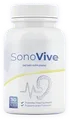
SonoVive is formulated specifically to support the neuroacoustic and vascular architecture underlying hearing. Its matrix of botanicals targets the auditory nerve pathway and cochlear circulation, providing targeted support for the structures most vulnerable to age-related decline.For broader vascular support, Nitric Boost Ultra supports endothelial Nitric Oxide production that benefits all microvascular beds - including the cochlear stria vascularis.
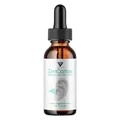
ZenCortex extends the protection further upstream, supporting the auditory cortex and the neural processing centers that interpret cochlear signals - because hearing is ultimately a brain function, and cognitive health directly influences auditory clarity.The Prevention Window
Unlike many age-related conditions, cochlear hair cell loss provides measurable early warning signs: difficulty understanding speech in noisy environments, increased need for volume in conversations, tinnitus onset. These are not inevitable components of aging to be resigned to - they are biological signals that cochlear vascular health is declining and intervention is still possible.
Hair cells lost cannot be recovered in adult humans. But the vascular mechanisms driving their loss can be addressed, substantially slowing the trajectory of further decline.
Conclusion
Hearing loss is not an ear problem - it is a vascular problem that manifests in the ear. This reframing carries profound practical implications: the same lifestyle choices and targeted interventions that protect the heart also protect the hearing. Cardiovascular health and auditory health are not separate domains - they are the same system viewed through different diagnostic lenses.
Scientific References & Validation
Full citations with PMID links, methodology notes & evidence ratings on puresupphub.com