Many people experience cold feet, a faint tingling sensation, or temporary numbness in their toes and hands. It is easy to dismiss these symptoms as a simple reaction to cold weather or a consequence of sitting in an awkward position. However, if these sensations occur frequently, your body is sending you a warning: your peripheral circulation is sluggish.
Many people experience cold feet, a faint tingling sensation, or temporary numbness in their toes and hands. It is easy to dismiss these symptoms as a simple reaction to cold weather or a consequence of sitting in an awkward position. However, if these sensations occur frequently, your body is sending you a warning: your peripheral circulation is sluggish.
Your nervous system and your vascular system are deeply interconnected. The long, delicate nerve fibers that reach your feet and fingertips rely on a continuous supply of oxygen-rich blood carried by a network of tiny capillaries.
When your circulation slows down - due to physical inactivity, chronic stress, or metabolic changes - these tiny blood vessels constrict. Deprived of oxygen and key nutrients, your sensory nerves begin to suffer microscopic damage, sending erratic distress signals to your brain in the form of tingling, burning, or complete numbness.
Fortunately, your peripheral blood flow is highly responsive to daily lifestyle habits. By taking steps to stimulate circulation, you can protect your nerves and restore sensory comfort.
Key Takeaways
- Vascular Deprivation: Peripheral nerves are highly sensitive to oxygen drops; poor blood flow causes early nerve damage.
- Sensory SOS Signals: Tingling, numbness, and burning are the ways your nerves signal cellular distress to the brain.
- Thermal Pumping: Alternating temperatures is a powerful mechanical way to open closed blood vessels.
3 Daily Habits to Restore Peripheral Blood Flow
1. Practice the Evening Contrast Foot Soak
Contrast hydrotherapy is a simple, highly effective way to stimulate local circulation.
The Routine: Fill one basin with warm water and another with cold water. Soak your feet in the warm water for 3 minutes, then immediately switch to the cold water for 30 seconds. Repeat this cycle three times, always ending with the warm soak. The alternating temperatures force your blood vessels to dilate and constrict rapidly, acting as a natural vascular pump to flush out toxins and deliver fresh blood to your feet.2. Implement a 2-Minute Sensory Massage
Every night before bed, spend two minutes massaging your feet. Use your thumbs to apply firm, circular pressure to the soles of your feet, starting at the heels and moving toward your toes.
This mechanical pressure physically pushes stagnant blood out of the area, stimulates local microcirculation, and activates sensory receptors, helping to calm hyperactive nerve pathways.
3. Avoid Tight Footwear and Elevate Your Legs
Wearing tight, narrow shoes restricts the natural movement of your feet and squeezes the lateral blood vessels, worsening numbness.
Choose footwear with a wide toe box that allows your toes to move freely. At the end of the day, spend 10 minutes lying down with your legs elevated on a pillow above your heart to assist venous return and relieve capillary pressure in your feet.
Supporting Nerve Resilience from Within
While contrast baths and sensory massage are excellent for surface circulation, protecting your nervous system from long-term decline and calming sensitive nerve pathways requires deep, cellular support.
To provide targeted, professional-grade nerve support:
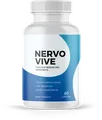
Taking Nervovive daily supplies your body with a high-potency, natural formula designed to support nerve signaling and systemic comfort. Featuring active botanical extracts like Passion Flower, California Poppy, and Corydalis, this synergistic matrix works to protect nerve cells from oxidative stress, reduce hyperactive pain signals, and support healthy neurotransmitter levels. This comprehensive formula offers a strong daily foundation for sensory responsiveness, nerve regeneration, and long-term nerve health.
By stimulating your peripheral blood flow, massaging your feet, and feeding your nerve cells active botanical nutrients, you can keep your limbs warm, comfortable, and healthy.