For more than half a century, mainstream dental hygiene marketing has promoted an aggressive, militaristic approach to oral care: the "scorched-earth" doctrine. Consumers have been conditioned to believe that a burning sensation from high-alcohol rinses and broad-spectrum antimicrobial chemicals is the unmistakable hallmark of a "clean, healthy mouth." Commercial labels boldly boast the ability to "kill 99.9% of all germs on contact."
For more than half a century, mainstream dental hygiene marketing has promoted an aggressive, militaristic approach to oral care: the "scorched-earth" doctrine. Consumers have been conditioned to believe that a burning sensation from high-alcohol rinses and broad-spectrum antimicrobial chemicals is the unmistakable hallmark of a "clean, healthy mouth." Commercial labels boldly boast the ability to "kill 99.9% of all germs on contact."
However, in modern oral microbiology and systemic medicine, this non-selective sterilization protocol is recognized as an ecological catastrophe.
The human oral cavity is not an inert, sterile porcelain bowl that requires chemical bleaching. It is the second-most biodiverse microbial habitat in the human body, harboring over 700 distinct species of bacteria and hosting an estimated 20 billion active microorganisms at any given moment.
Indiscriminately wiping out this delicate ecological equilibrium triggers immediate rebound dysbiosis, strips the protective salivary pellicle, accelerates enamel demineralization, and, most alarmingly, cripples systemic cardiovascular regulation by sabotaging the body's natural production of nitric oxide.
The Ecological Vacuum: How Chlorhexidine Triggers Rebound Dysbiosis
Commercial mouthwashes typically rely on aggressive, non-specific antimicrobial agents, including chlorhexidine gluconate, cetylpyridinium chloride (CPC), and formulations containing up to 21% to 26% denatured ethanol (alcohol).
While these chemical agents temporarily decimate the anaerobic bacteria residing on the tongue that produce volatile sulfur compounds (VSCs), they create an immediate ecological void:
Broad-Spectrum Antibacterial Rinse (Alcohol / Chlorhexidine)
1. The R-Selection Pathogenic Surge
In ecological microbiology, bacteria fall into two categories: slower-growing, equilibrium-maintaining mutualists (K-strategists) and opportunistic, rapid-colonizing pathogens (r-strategists).
When a broad-spectrum chemical rinse wipes out the entire oral film, opportunistic cariogenic species such as Streptococcus mutans and periodontal pathogens like Porphyromonas gingivalis recolonize the vacant tooth surfaces up to three to five times faster than delicate beneficial flora. Within 4 to 8 hours post-rinse, the mouth is dominated by an aggressive monoculture of acid-tolerant pathogens, leaving the user with worse rebound halitosis and heightened gum inflammation than before they rinsed.
2. Destruction of the Salivary Pellicle and Enamel Acid Erosion
Alcohol-based rinses act as severe desiccating agents, denaturing mucin proteins and dehydrating the oral epithelium. Saliva is the mouth's primary natural defense: it delivers calcium, phosphate, and bicarbonate ions to buffer dietary acids. When alcohol suppresses salivary flow, oral resting pH plummets below the critical threshold of pH 5.5, triggering accelerated chemical demineralization of the protective hydroxyapatite enamel crystalline matrix.
The Cardiovascular Crisis: The Mouthwash-Induced Blood Pressure Surge
The most dangerous systemic consequence of antibacterial mouthwash usage is the total disruption of the Enterosalivary Nitrate-Nitrite-Nitric Oxide (NO) Pathway.
Human cells do not express the genes necessary to synthesize the enzyme nitrate reductase. Consequently, the human body is completely dependent on oral commensal bacteria living on the posterior dorsal surface of the tongue - primarily strains from the genera Veillonella, Actinomyces, and Rothia - to convert dietary nitrate (NO3-) from food into nitrite (NO2-). When swallowed, this salivary nitrite is converted into Nitric Oxide (NO), the body's master vasodilator that regulates arterial stiffness and blood pressure.
The Landmark Clinical Evidence (Kapil et al., 2013)
In a seminal randomized crossover clinical trial published in Free Radical Biology and Medicine (PMID: 23183324 ↗), cardiovascular researchers examined the hemodynamic impact of using a standard over-the-counter chlorhexidine mouthwash twice daily for 7 days in healthy individuals:
* Oral Nitrite Reduction: Twice-daily chlorhexidine mouthwash usage produced an immediate 90% reduction in the oral cavity's capacity to reduce nitrate into nitrite (p < 0.001).
* Plasma Nitrite Crash: Circulating systemic plasma nitrite concentrations dropped by 25%.
* Blood Pressure Spike: Within hours of chemical rinsing, subjects experienced a statistically significant increase in systolic blood pressure of 2 to 5 mmHg (95% CI: 0.6 to 4.0, p < 0.05).
* Clinical Significance: In epidemiological cardiology, a sustained population-wide increase of just 2 to 3 mmHg in systolic pressure correlates directly with a 7% to 10% increase in stroke mortality and myocardial infarction risk.
Subsequent clinical investigations published in Frontiers in Cellular and Infection Microbiology confirmed that chemical antiseptic mouthwashes completely blunt the normal post-exercise hypotensive blood pressure drop, demonstrating that antiseptic rinses actively decouple exercise from its cardiovascular benefits.
The Probiotic Paradigm: Competitive Exclusion with Streptococcus Salivarius
Modern preventative dentistry has abandoned chemical eradication in favor of Competitive Exclusion and Probiotic Inoculation:
Rather than attempting to sterilize a biological orifice that communicates with external air and food, clinical protocols introduce billions of verified, beneficial probiotic strains that physically occupy the adhesion receptors on mucosal and enamel surfaces:
Streptococcus Salivarius K12 and M18: The gold-standard oral probiotic strains. These mutualists do not produce lactic acid; instead, they produce potent targeted antimicrobial peptides known as Bacteriocin-Like Inhibitory Substances (BLIS), specifically Salivaricin A2 and Salivaricin B. These bacteriocins specifically target and neutralize volatile sulfur compound-producing bacteria and Streptococcus mutans*, without disturbing beneficial nitrate-reducing colonies. Lactobacillus Reuteri & Paracasei: Clinical trials confirm that L. reuteri* secretes reuterin, inhibiting subgingival pathogenic biofilms, reducing bleeding-on-probing (BOP) by over 35%, and protecting periodontal ligament attachment.Comparative Evidence Matrix: Oral Hygiene Strategies
| Oral Care Approach | Impact on Beneficial Oral Flora | Effect on Nitrate → Nitrite Conversion | Impact on Enamel Demineralization | Quantified Hemodynamic & Oral Outcome |
|---|---|---|---|---|
| Alcohol / Chlorhexidine Mouthwash | Indiscriminately eradicates 99.9% of all microbes | -90% reduction in nitrate-reducing bacteria | Increases acid erosion via mucosal desiccation | +2 to +5 mmHg systolic BP spike; severe rebound halitosis |
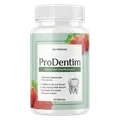
| Oral Probiotic Lozenges (ProDentim) | Inoculates 3.5 billion beneficial CFUs | Preserves and supports Veillonella & Actinomyces | Re-establishes neutral pH; promotes remineralization | Significant drop in VSCs & plaque; maintains natural nitric oxide synthesis |
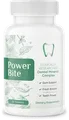
| Topical Mineral Matrix (PowerBite) | Neutral flora impact | Neutral | Directly supplies micro-calcium and hydroxyapatite | Fortifies enamel crystalline matrix against acid attack |
| Standard Brushing Alone | Mechanical disruption only | Minimal systemic disruption | Removes plaque without recolonizing beneficial strains | Standard baseline oral hygiene |
Expected Clinical Response Timeline: Restoring the Oral Ecosystem
Transitioning away from chemical mouthwashes toward oral probiotic re-colonization follows a predictable recovery curve:
* Days 1 to 5 (Epithelial Rehydration & Flora Normalization): Desiccated oral mucosa rehydrates as salivary flow rebounds. Normalization of oral pH reduces the sensation of dry, sticky morning breath.
Weeks 2 to 3 (Competitive Pathogen Displacement): Inoculated Streptococcus salivarius and Lactobacillus* strains establish stable colonies along the gingival margin and tongue dorsum, actively suppressing sulfur-producing pathogens via salivaricin secretion. Bleeding during brushing drops substantially.* Weeks 4 to 8+ (Cardiovascular & Enamel Fortification): Complete restoration of the enterosalivary nitrate-reducing bacteria network. Plasma nitrite availability stabilizes, supporting optimal vascular tone, while salivary calcium remineralizes micro-etched enamel surfaces.
Clinical Takeaway
Attempting to sterilize your mouth with broad-spectrum chemical mouthwashes is the equivalent of clearing a lush rainforest to eliminate a handful of weeds. It creates an ecological wasteland that breeds virulent, drug-resistant rebound pathogens, accelerates tooth decay, and raises systemic blood pressure by destroying the body's natural nitric oxide factory.
True oral and systemic health requires ecological stewardship:
- Ceasing the use of alcohol and chlorhexidine-based commercial rinses.
- Inoculating the oral cavity with clinically substantiated probiotic strains.
- Supplying the bio-available minerals necessary to reinforce natural enamel remineralization.
Clinical Recommendation
For individuals seeking fresh breath, robust gum margins, and total cardiovascular protection, the PuresuppHub Editorial Desk highlights ProDentim. Formulated as an advanced dissolving probiotic chewable containing 3.5 billion beneficial organisms, it repopulates the oral microbiome while defending the enterosalivary nitric oxide axis. Pairing it with PowerBite provides the targeted thermal-activated minerals required to fortify tooth enamel from the outside in.
Scientific References & Validation
Full citations with PMID links, methodology notes & evidence ratings on puresupphub.com