Dry Eye Disease (DED) is frequently dismissed as a minor nuisance, often attributed to screen time, dry air, or aging. However, clinical ophthalmology recognizes DED as a complex, multifactorial disease characterized by a loss of homeostasis of the tear film, accompanied by significant ocular surface inflammation.
Dry Eye Syndrome: More Than Just a Lack of Tears
Dry Eye Disease (DED) is frequently dismissed as a minor nuisance, often attributed to screen time, dry air, or aging. However, clinical ophthalmology recognizes DED as a complex, multifactorial disease characterized by a loss of homeostasis of the tear film, accompanied by significant ocular surface inflammation.
Crucially, chronic dry eyes are rarely an isolated anatomical failure. In many cases, the disruption of the tear film is the "canary in the coal mine" - a localized manifestation of widespread, systemic inflammation.
The Role of Tear Film Osmolarity
A healthy tear film consists of three layers: the inner mucin layer, the middle aqueous layer, and the outer lipid layer. The lipid layer, secreted by the Meibomian glands located in the eyelids, is critical for preventing the evaporation of the aqueous tears.
When the tear film becomes unstable, tear evaporation increases, leading to hyperosmolarity (abnormally high salt concentration in the tears).
- Epithelial Stress: Hyperosmolarity places extreme osmotic stress on the corneal and conjunctival epithelial cells.
- Cytokine Release: In response to this stress, the epithelial cells release a cascade of pro-inflammatory cytokines, including Interleukin-1 (IL-1), Interleukin-6 (IL-6), and Tumor Necrosis Factor-alpha (TNF-α).
- T-Cell Activation: These cytokines recruit and activate CD4+ T-cells, which infiltrate the ocular surface and the lacrimal glands, driving a chronic, self-perpetuating cycle of inflammation and tissue damage.
Meibomian Gland Dysfunction (MGD) and Systemic Health
The vast majority (over 85%) of dry eye cases are evaporative, stemming from Meibomian Gland Dysfunction (MGD). In MGD, the tiny glands that secrete the lipid layer become blocked or their secretions become abnormally thick and viscous.
MGD is deeply interconnected with systemic health:
* Inflammatory Diet: Diets high in Omega-6 fatty acids (pro-inflammatory) and low in Omega-3s (anti-inflammatory) alter the lipid composition of the meibum, making it thick and prone to blocking the gland orifices.
* Systemic Cytokines: Circulating inflammatory markers from gut dysbiosis, metabolic syndrome, or autoimmune conditions can reach the ocular surface vasculature, promoting local inflammation that degrades Meibomian gland architecture.
Clinical Takeaway
Treating chronic dry eye strictly with over-the-counter artificial tears is palliative; it temporarily dilutes the hyperosmolar tear film but does nothing to halt the underlying inflammatory cascade or restore Meibomian gland function.
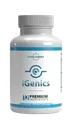
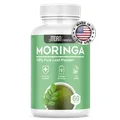
To truly address DED, one must target the inflammatory root cause. Formulations like iGenics and Pure Moringa are designed to provide potent, systemic anti-inflammatory support. By lowering circulating cytokine levels and providing the botanical antioxidants necessary to quench ocular surface oxidative stress, these supplements help restore healthy gland function, stabilize the tear film, and provide lasting, physiological relief from dry eye symptoms.
Scientific References & Validation
Full citations with PMID links, methodology notes & evidence ratings on puresupphub.com