"Brush and floss daily" is the undisputed mantra of modern dentistry. While flossing is undeniably crucial for removing food debris and disrupting the superficial biofilm between the teeth (the interproximal spaces), it is clinically insufficient for managing established periodontal disease or achieving complete oral homeostasis.
The Limits of Mechanical Reach
"Brush and floss daily" is the undisputed mantra of modern dentistry. While flossing is undeniably crucial for removing food debris and disrupting the superficial biofilm between the teeth (the interproximal spaces), it is clinically insufficient for managing established periodontal disease or achieving complete oral homeostasis.
The limitation of flossing is purely mechanical: it can only reach a few millimeters below the gingival margin (the gumline).
The Deep Pocket Microbiome
In healthy gums, the sulcus (the crevice between the tooth and the gum) is shallow, typically 1-3 millimeters deep. Flossing can effectively disrupt the bacteria in this shallow space.
However, as gingivitis progresses into periodontitis, the attachment between the gum and the tooth begins to break down, creating periodontal pockets. These pockets can easily reach depths of 5, 7, or even 10 millimeters.
The environment at the bottom of a 7mm periodontal pocket is drastically different from the surface of the tooth:
Strict Anaerobiosis:
Lab Verified ActiveIt is completely devoid of oxygen, providing the perfect breeding ground for highly destructive, obligate anaerobic pathogens (the "Red Complex").
Inaccessibility:
Glutathione PrecursorNo toothbrush bristle or strand of floss can reach the bottom of these pockets. The pathogens are safely shielded from all mechanical hygiene efforts.
Gingival Crevicular Fluid (GCF):
Hemoglobin Oxygen CarrierThese deep-dwelling pathogens don't feed on the sugar in your diet; they feed on the proteins and iron found in the GCF and the bleeding tissue itself.
The Need for Biological Penetration
Because you cannot mechanically scrub a deep periodontal pocket, the infection will fester, destroying the alveolar bone and periodontal ligament, eventually leading to tooth loss. To eradicate these deep-dwelling pathogens, interventions must be able to penetrate the tissue or alter the biological environment systemically.
Clinical Takeaway
If you suffer from deep periodontal pockets or chronic gum inflammation, relying solely on floss is a losing battle. You must attack the infection biologically.
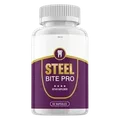
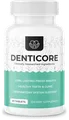
Steel Bite Pro is formulated with potent, systemic botanical compounds designed to be absorbed into the bloodstream and secreted in the saliva, altering the microbiological environment of the entire oral cavity, including the deep pockets. Concurrently, DentiCore supports the foundational health of the alveolar bone and periodontal ligament, helping to rebuild the structural integrity that deep-dwelling pathogens seek to destroy.How the Oral Microbiome And Immune System Responds
Healthy oral function requires a balanced microbiome where beneficial Streptococcus salivarius and Lactobacillus species outcompete harmful anaerobes. These beneficial bacteria produce hydrogen peroxide and bacteriocins that naturally suppress pathogen populations.
This mechanism explains why the biological factors discussed in this article are not merely lifestyle suggestions but represent the foundational drivers of long-term oral microbiome health.
Scientific References & Validation
Full citations with PMID links, methodology notes & evidence ratings on puresupphub.com