Many men notice a gradual change in their urinary habits as they enter their 50s. The once-strong, continuous stream becomes weak, hesitant, and prone to stopping and starting. Because it happens slowly, it is easy to dismiss it as a normal, harmless part of aging.
The Danger of Normalizing a Weak Stream
Many men notice a gradual change in their urinary habits as they enter their 50s. The once-strong, continuous stream becomes weak, hesitant, and prone to stopping and starting. Because it happens slowly, it is easy to dismiss it as a normal, harmless part of aging.
However, ignoring a weak urine stream is a dangerous game. It is the primary indicator of Benign Prostatic Hyperplasia (BPH) - an enlarged prostate - and leaving it untreated doesn't just affect the prostate; it can cause permanent damage to your bladder.
The Mechanics of the Squeeze
The urethra, the tube that drains the bladder, runs directly through the center of the prostate gland. When the prostate enlarges, it acts like a clamp, squeezing the urethra closed.
To overcome this physical blockage and force urine out, the muscular wall of the bladder (the detrusor muscle) has to pump much harder than it was designed to.
The Journey to Bladder Exhaustion
When you force a muscle to work harder against resistance, it hypertrophies (thickens). The same thing happens to your bladder.
As the bladder wall thickens to push urine past the enlarged prostate, it loses its elasticity. It becomes irritable and hypersensitive. This leads to a cascade of worsening symptoms:
- Urgency: The thickened bladder begins to contract even when it only contains a small amount of urine, causing sudden, uncontrollable urges to go to the bathroom.
- Incomplete Emptying: Eventually, the overworked detrusor muscle exhausts itself. It loses the strength to push all the urine out, leaving a residual volume in the bladder after you finish.
- Infection and Stones: Stagnant urine left in the bladder becomes a breeding ground for bacteria, leading to chronic Urinary Tract Infections (UTIs) and the formation of painful bladder stones.
If the blockage becomes severe enough, it can lead to acute urinary retention - the complete inability to urinate - which is a medical emergency that can damage the kidneys.
Reversing the Pressure
To protect the bladder, you must relieve the pressure on the urethra by addressing the prostate.
#### Smooth Muscle Relaxation
The prostate and the neck of the bladder contain smooth muscle tissue. When these muscles are tense, they exacerbate the squeezing of the urethra. Certain botanical compounds are known to act on the alpha-receptors in these tissues, signaling them to relax and immediately improving urine flow.
#### Hormonal Management
As discussed in related articles, managing the conversion of testosterone to DHT is critical for stopping the physical growth of the prostate gland over the long term.
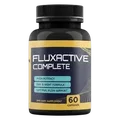
Formulations like Aizen Power and Fluxactive Complete are specifically designed to address both of these mechanisms. By utilizing natural extracts like Saw Palmetto and Pygeum, they help relax the smooth muscles of the urinary tract while supporting healthy hormone metabolism. This reduces the workload on the bladder, helping it to heal and regain its natural elasticity.
For a deeper medical explanation of how chronically high urethral resistance leads to bladder wall thickening and muscular exhaustion, read our clinical analysis on detrusor fatigue and bladder hypertrophy.
Conclusion
A weak urine stream is your body's check-engine light. Do not wait for bladder exhaustion or chronic infections to take action. By supporting your prostate health early with targeted nutrition, you can keep your urinary tract flowing freely and protect the long-term health of your bladder.
How the Reproductive And Urinary System Responds
Prostate tissue growth is primarily driven by dihydrotestosterone (DHT), a potent testosterone metabolite. 5-alpha reductase enzyme activity converts testosterone to DHT in prostate tissue, and elevated DHT levels stimulate cell proliferation, increasing prostate volume over time.
This mechanism explains why the biological factors discussed in this article are not merely lifestyle suggestions but represent the foundational drivers of long-term reproductive health.
Scientific References & Validation
Full citations with PMID links, methodology notes & evidence ratings on puresupphub.com