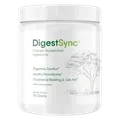
For decades, the standard medical and over-the-counter approach to heartburn and Gastroesophageal Reflux Disease (GERD) has been the suppression of stomach acid using Proton Pump Inhibitors (PPIs) or H2 blockers. The logic seems straightforward: acid is burning the esophagus, therefore, we must neutralize the acid.
The Great Antacid Myth
For decades, the standard medical and over-the-counter approach to heartburn and Gastroesophageal Reflux Disease (GERD) has been the suppression of stomach acid using Proton Pump Inhibitors (PPIs) or H2 blockers. The logic seems straightforward: acid is burning the esophagus, therefore, we must neutralize the acid.
However, clinical gastroenterology reveals a massive paradox: the vast majority of chronic acid reflux is not caused by too much stomach acid, but by too little (Hypochlorhydria).
By chemically suppressing stomach acid for prolonged periods, traditional antacids actually exacerbate the root cause of the disease, leading to a dangerous cycle of dependency and severe digestive dysfunction.
The Mechanical Failure: The Lower Esophageal Sphincter (LES)
Reflux occurs when the Lower Esophageal Sphincter (LES) - the muscular valve separating the stomach from the esophagus - fails to close properly, allowing stomach contents to splash upward.
The tone (tightness) of the LES is highly dependent on the acidity of the stomach. When stomach acid (Hydrochloric Acid - HCl) is sufficiently strong (pH 1.5 to 3), it signals the LES to tightly clamp shut.
When you suffer from hypochlorhydria, the stomach is not acidic enough to trigger this closure. The LES remains relaxed and floppy, allowing whatever small amount of acid is present to easily escape into the unprotected esophagus.
The Fermentation Cascade
Low stomach acid creates a secondary, highly destructive problem:
- Impaired Digestion: Strong stomach acid is required to activate pepsin (for protein digestion) and to signal the pancreas and gallbladder to release their digestive enzymes. Without strong acid, food sits in the stomach, undigested.
- Bacterial Overgrowth: Stomach acid is your primary defense against ingested pathogens. When acid is suppressed by PPIs, bacteria survive the stomach and colonize the small intestine (leading to SIBO).
- Gas and Pressure: As these bacteria ferment the rotting, undigested food in your stomach and small intestine, they produce massive amounts of gas (hydrogen and methane). This gas dramatically increases intra-abdominal pressure.
- The Blowout: This upward pressure literally forces the floppy LES open, blowing the fermenting stomach contents and acid up into the esophagus, causing the burning sensation of heartburn.
Clinical Takeaway
Treating GERD by neutralizing acid treats the symptom while guaranteeing the progression of the disease. True resolution requires restoring proper digestive mechanics.
Formulations like DigestSync are designed to support the natural, physiological process of digestion. By providing comprehensive digestive enzymes and botanical bitters that naturally stimulate the body’s endogenous production of gastric juices, you can help restore proper stomach acidity. This naturally tightens the LES, breaks down food efficiently to stop bacterial fermentation, and eliminates the upward pressure that causes reflux.
How the Digestive And Immune System Responds
Beneficial gut bacteria produce short-chain fatty acids (SCFAs) including butyrate, which nourishes colonocytes, strengthens the intestinal barrier, and signals anti-inflammatory pathways systemically. Low SCFA production is a key driver of increased intestinal permeability.
This mechanism explains why the biological factors discussed in this article are not merely lifestyle suggestions but represent the foundational drivers of long-term digestive health.
Scientific References & Validation
Full citations with PMID links, methodology notes & evidence ratings on puresupphub.com