Most people think of aging as wrinkles and grey hair. But there is a far more consequential form of aging happening invisibly inside your body, one that determines your risk of heart attack, stroke, and cognitive decline decades before any visible symptoms appear.
The Silent Aging of Your Blood Vessels
Most people think of aging as wrinkles and grey hair. But there is a far more consequential form of aging happening invisibly inside your body, one that determines your risk of heart attack, stroke, and cognitive decline decades before any visible symptoms appear.
Your arteries are aging - and they are doing so faster than almost any other tissue in your body.
What Is Vascular Aging?
Vascular aging refers to the progressive structural and functional decline of your blood vessels over time. Unlike your bones or muscles, which give you warning signs when they deteriorate (pain, weakness), your arteries degrade silently.
The three primary markers of vascular aging are:
- Arterial Stiffness: Healthy arteries are elastic and flexible, expanding with each heartbeat and recoiling to maintain pressure. Aged arteries become rigid and stiff, forcing the heart to work at dangerously higher pressures.
- Endothelial Dysfunction: The inner lining of your arteries (the endothelium) loses its ability to produce Nitric Oxide, the key signaling molecule that keeps vessels flexible and prevents plaque adhesion.
- Intimal-Media Thickening (IMT): The arterial walls thicken due to collagen cross-linking and calcification, progressively narrowing the channel through which blood flows.
Why Do Arteries Age So Fast?
Several forces accelerate arterial aging far beyond what genetics alone dictates:
#### 1. Oxidative Stress
Every cell in your body produces free radicals as a byproduct of metabolism. Your antioxidant defenses normally neutralize these. But as you age, this balance tips - free radicals accumulate, oxidizing LDL cholesterol (the precursor to arterial plaque) and directly damaging the endothelial lining.
#### 2. Chronic Systemic Inflammation
Low-grade chronic inflammation, driven by poor diet, stress, and environmental toxins, acts like a slow-burning fire inside your arteries. Inflammatory cytokines trigger smooth muscle cells within the arterial wall to migrate and proliferate - a direct precursor to atherosclerosis.
#### 3. Collagen Glycation (Sugar-Crosslinking)
Excess blood glucose doesn't just raise your blood sugar number - it chemically binds to proteins in a process called glycation. Collagen in the arterial walls is particularly vulnerable. Glycated collagen loses its elasticity and becomes rigid, making the artery wall stiffer regardless of age.
#### 4. Declining Nitric Oxide (NO) Production
By age 50, most adults have lost 50% of their Nitric Oxide production capacity. Without adequate NO, the endothelium cannot maintain vasodilation, and the arteries remain in a chronically constricted state, raising systemic blood pressure.
The Stiffness-to-Stroke Pipeline
Arterial stiffness is not merely a cosmetic problem. Research published in the Journal of the American College of Cardiology has shown that a 10% increase in pulse wave velocity (the gold-standard measure of arterial stiffness) correlates with a 14% increase in risk of a cardiovascular event.
When arteries stiffen, the systolic (peak) blood pressure rises, exposing the fragile microvascular networks of the brain and kidneys to pressure surges they were never designed to withstand.
Reversing the Clock: A Science-Backed Protocol
The good news is that vascular aging is not entirely irreversible. Several mechanisms have demonstrated measurable improvement in arterial elasticity:
#### Dietary Nitrates & NO Precursors
Foods like beets, spinach, and arugula provide dietary nitrates that convert to Nitric Oxide in the body. Supplementation with L-Arginine and L-Citrulline has been shown in multiple studies to significantly improve endothelial function in individuals with compromised vascular health.
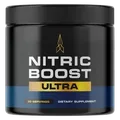
Formulations like Nitric Boost Ultra are specifically engineered to flood the endothelium with these precursors at therapeutic levels, supporting robust vasodilation and healthy blood pressure without pharmaceutical intervention.
#### Collagen Peptide Supplementation
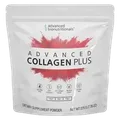
Hydrolyzed collagen peptides have demonstrated the ability to stimulate fibroblasts - the cells that produce and maintain collagen - within the arterial walls. Advanced Collagen Plus provides low-molecular-weight peptides that are absorbed directly into the bloodstream and deposited in vascular and dermal tissues, helping to restore the structural integrity of aging arterial walls.
#### Antioxidant-Rich Phytonutrient Complexes
Broad-spectrum antioxidant support neutralizes the oxidative stress that drives endothelial damage. Compounds like grape seed extract, quercetin, and Vitamin C work synergistically to protect arterial tissue from glycation and free-radical oxidation.
Conclusion
Your arteries are the highway of life - and every year of neglect narrows the lanes and raises the tolls. By understanding the mechanisms of vascular aging and actively intervening with targeted nutrition, it is entirely possible to maintain youthful, flexible blood vessels well into your later decades. The decisions you make today about your vascular health will determine the quality of life you experience in the future.
Scientific References & Validation
Full citations with PMID links, methodology notes & evidence ratings on puresupphub.com