Noticing more hair than usual in your brush or shower drain can be a stressful experience. While many people assume hair thinning is strictly a genetic issue, the daily environment of your scalp plays a massive role. Over time, factors like high stress, hormonal shifts (like DHT buildup), and nutrient deficiencies cause hair follicles to shrink, a process known as "follicle miniaturization."
Noticing more hair than usual in your brush or shower drain can be a stressful experience. While many people assume hair thinning is strictly a genetic issue, the daily environment of your scalp plays a massive role. Over time, factors like high stress, hormonal shifts (like DHT buildup), and nutrient deficiencies cause hair follicles to shrink, a process known as "follicle miniaturization."
When follicles shrink, they produce thinner, weaker strands until they eventually stop producing hair altogether.
Fortunately, you can take control. By changing a few simple daily habits, you can lower scalp inflammation, stimulate blood circulation, and protect your follicles from early decline.
Key Takeaways
- Follicle Miniaturization: Stress and hormones cause hair follicles to shrink, leading to thinning strands.
- Microcirculation is Key: Hair roots need constant blood flow to receive oxygen and growth proteins.
- Deep Absorption: Follicles require specialized delivery systems to absorb structural nutrients effectively.
3 Habits to Protect and Revitalize Hair Follicles
1. Stop Washing Your Hair with Hot Water
Hot water strips your scalp of its natural protective lipids and dries out the hair shaft, making strands brittle and prone to breakage. More importantly, hot water can irritate your hair follicles, triggering a low-grade inflammatory response that weakens the root. Switch to lukewarm water for washing and finish with a cool rinse to lock in moisture and soothe the scalp.
2. Practice a Daily 2-Minute Scalp Massage
Hair follicles rely entirely on microcirculation to receive the oxygen and nutrients needed to build keratin.
The Routine: Every night before bed, use the pads of your fingers (not your nails) to massage your scalp in gentle, circular motions for two minutes. Start at the temples and move towards the crown. This simple habit immediately increases local blood flow to the hair roots.3. Manage Stress (Keep Follicles in the Growth Phase)
When you are under chronic stress, your body pumps out cortisol. High cortisol levels can force your hair follicles to prematurely enter the "telogen" (resting/shedding) phase of the hair growth cycle. This leads to sudden shedding months after the stressful event. Incorporate daily deep breathing or meditation to keep cortisol in check.
Reconstructing Hair Density from the Inside Out
While scalp massage and cooler water support healthy hair growth conditions, your follicles require specific structural building blocks to produce thick, strong keratin.
To provide your roots with optimal nutritional support:
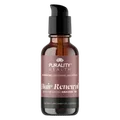
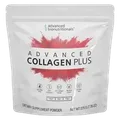
Taking Liposomal Hair Renewal drops daily leverages advanced lipid encapsulation to bypass traditional digestive barriers, delivering hair-supporting nutrients (like Biotin and Saw Palmetto) directly to your follicles. Additionally, incorporating Advanced Collagen Plus supplies Type I and III hydrolyzed peptides to rebuild the dermal scaffolding of your scalp, ensuring a strong, well-nourished foundation for new hair growth.
By caring for your scalp environment and feeding your follicles active structural compounds, you can support thicker, healthier hair naturally.
How the Dermal And Connective Tissue System Responds
Skin structure relies on a collagen and elastin matrix produced by fibroblast cells in the dermis. Vitamin C is a required cofactor for hydroxylase enzymes that stabilize the collagen triple helix. Without adequate antioxidant protection, UV-induced ROS cleave collagen chains and accelerate visible aging.
This mechanism explains why the biological factors discussed in this article are not merely lifestyle suggestions but represent the foundational drivers of long-term dermal health.
Scientific References & Validation
Full citations with PMID links, methodology notes & evidence ratings on puresupphub.com