When we think about building a resilient immune system, our minds usually jump to vitamin C supplements, hand sanitizer, and hot teas. However, modern immunology has revealed that the real training ground for your body's defenses isn't in your nose or throat—it is deep within your gastrointestinal tract. In fact, over 70% of your immune system resides directly in your gut lining, in a complex network called the gut-associated lymphoid tissue (GALT).
When we think about building a resilient immune system, our minds usually jump to vitamin C supplements, hand sanitizer, and hot teas. However, modern immunology has revealed that the real training ground for your body's defenses isn't in your nose or throat - it is deep within your gastrointestinal tract. In fact, over 70% of your immune system resides directly in your gut lining, in a complex network called the gut-associated lymphoid tissue (GALT).
This connection is known as the gut-immune axis. The cells lining your digestive tract act as a critical gateway, deciding what is allowed to pass into your bloodstream and what must be neutralized. When your gut lining is compromised by poor diet, stress, or a lack of antioxidant nutrients, it can trigger chronic low-grade inflammation, leaving you vulnerable to external threats. By adopting daily habits that protect your gut barrier, you directly support your immune cells' ability to recognize and respond to challenges.
Here are 3 simple habits you can implement daily to fortify this vital gut-immune connection.
Key Takeaways
- The 70% Connection: The vast majority of your body's immune cells live in your gut, where they constantly interact with food particles and gut microbes.
- Antioxidant Shielding: High-antioxidant foods neutralize free radicals in the gut lining, preventing inflammation from damaging the intestinal barrier.
- Microbiome Diversity: A diverse microbiome communicates directly with your immune system, teaching it when to attack pathogens and when to remain calm.
3 Daily Habits for Gut-Immune Strength
1. Start Your Day with a Bitter Greens Protocol
Modern diets are filled with sweet, salty, and highly processed foods, but they are severely lacking in bitter compounds, which are essential for digestive and immune function.
The Routine: Consume a serving of bitter greens - such as arugula, dandelion greens, or chicory - before your main meal of the day. Bitter compounds stimulate the bitter taste receptors (T2Rs) in your mouth and gut, which triggers the release of digestive enzymes, bile, and stomach acid. This ensures that food is fully broken down before it reaches the lower intestines, preventing larger, undigested proteins from irritating the gut lining and triggering a localized immune reaction.2. Practice a 12-Hour Overnight Digestive Rest
Constantly eating from the moment you wake up to the moment you go to sleep keeps your digestive tract in a perpetual state of work, depriving your gut-immune cells of the time they need to rebuild.
The Habit: Complete your final meal of the day at least three hours before bed, and do not eat breakfast until 12 hours later. This simple 12-hour overnight fast gives your gut lining time to enter a self-cleaning cycle known as the Migrating Motor Complex (MMC). This process sweeps out food debris and bacteria, prevents bacterial overgrowth, and allows the cells lining your gut to repair their tight junctions, preventing foreign particles from leaking into your system.3. Replace Afternoon Snacks with Polyphenol-Rich Liquids
Polyphenols are plant compounds that act as powerful antioxidants, shielding the delicate gut wall from oxidative damage and feeding beneficial gut bacteria.
The Tweak: Swap processed afternoon snacks like chips or bars for a cup of warm green tea, hibiscus tea, or a green superfood beverage. These drinks are loaded with active polyphenols and flavonoids that soothe inflammation along the gut wall, promote the growth of immune-supportive gut bacteria, and strengthen the physical barrier that prevents unwanted pathogens from entering your body.Advanced Immune Protection and Antioxidant Support
While dietary habits provide a strong foundation for your gut-immune axis, fortifying your body's natural defenses against modern stressors requires a high-density source of antioxidants and bioavailable micronutrients.
To support your body's primary defenses:
Taking TonicGreens daily provides a high-potency, 6-in-1 immune support matrix. Formulated with a cold-pressed synergy of key greens, antioxidant-rich berries, and vital nutrients, TonicGreens helps neutralize systemic oxidative stress, promotes healthy cell detoxification, and reinforces the gut lining to ensure your immune cells can mobilize quickly when needed.
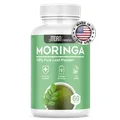
To complement this cellular defense, taking Pure Moringa daily delivers nature's most complete nutrient profile. Containing 100% pure Moringa oleifera leaf powder, this powerful botanical provides 27 vitamins, 46 antioxidants, and essential amino acids to reduce inflammation, balance metabolic markers, and fuel the body's natural defenses without any artificial additives.
By adopting mindful eating habits and supporting your body with high-density nutrition, you can build a resilient gut-immune axis and live with health and vitality.
Why These Support Your Immune And Lymphatic System
The immune system requires a constant supply of micronutrients to maintain both innate and adaptive responses. Deficiencies in zinc, vitamin D, and specific antioxidants impair lymphocyte production and reduce the speed of pathogen recognition.
Understanding this biological process helps explain why targeted daily support - not just isolated dietary improvements - is necessary for consistent results.
How White Blood Cell Activation Works
Immune function operates through a layered defense. Natural killer cells and macrophages form the innate response, while T and B lymphocytes power the adaptive system. Antioxidants like glutathione and vitamin C protect these immune cells from oxidative damage during active inflammatory responses.
This mechanism explains why the biological factors discussed in this article are not merely lifestyle suggestions but represent the foundational drivers of long-term immune health.
Scientific References & Validation
Full citations with PMID links, methodology notes & evidence ratings on puresupphub.com