Chronic joint stiffness, deep periarticular tension, and aching immobility are rarely isolated mechanical issues of bone; rather, in over 85% of cases, they stem from a localized enzymatic inflammatory cascade within the synovial membrane paired with protective muscle guarding around the joint capsule. When articular cartilage experiences repetitive micro-wear or aging, damaged chondrocytes release matrix fragments that activate synovial macrophages, unleashing pro-inflammatory cytokines like Interleukin-1 beta (IL-1β) and Tumor Necrosis Factor-alpha (TNF-α). These inflammatory messengers upregulate Cyclooxygenase-2 (COX-2) and 5-Lipoxygenase (5-LOX), flooding the joint cavity with pain-inducing Prostaglandin E2 (PGE2) and collagen-degrading matrix metalloproteinases (MMP-13). As nociceptive C-fibers fire continuously, the surrounding musculature locks into an involuntary spasm to "splint" the painful joint, compounding physical tension. Clinical trials establish that integrating targeted non-pharmacological interventions—ranging from synovial fluid mobilization and transdermal DMSO analgesia to dual COX/5-LOX botanical inhibitors—can reduce joint pain by 45% to 65% and restore comfortable range of motion within days.
Chronic joint stiffness, deep periarticular tension, and aching immobility are rarely isolated mechanical issues of bone; rather, in over 85% of cases, they stem from a localized enzymatic inflammatory cascade within the synovial membrane paired with protective muscle guarding around the joint capsule. When articular cartilage experiences repetitive micro-wear or aging, damaged chondrocytes release matrix fragments that activate synovial macrophages, unleashing pro-inflammatory cytokines like Interleukin-1 beta (IL-1β) and Tumor Necrosis Factor-alpha (TNF-α). These inflammatory messengers upregulate Cyclooxygenase-2 (COX-2) and 5-Lipoxygenase (5-LOX), flooding the joint cavity with pain-inducing Prostaglandin E2 (PGE2) and collagen-degrading matrix metalloproteinases (MMP-13). As nociceptive C-fibers fire continuously, the surrounding musculature locks into an involuntary spasm to "splint" the painful joint, compounding physical tension. Clinical trials establish that integrating targeted non-pharmacological interventions - ranging from synovial fluid mobilization and transdermal DMSO analgesia to dual COX/5-LOX botanical inhibitors - can reduce joint pain by 45% to 65% and restore comfortable range of motion within days.
Key Clinical Takeaways
- The Synovial Inflammatory Loop: Synovial macrophages activated by wear-and-tear release IL-1β and TNF-α, which stimulate chondrocytes to secrete collagenase enzymes (MMP-3, MMP-13), dissolving articular cartilage from the inside out.
- Muscle Guarding and Physical Tension: Deep joint inflammation provokes an involuntary reflex contraction of surrounding flexor muscles (arthrogenic muscle inhibition), elevating joint compressive load by up to 40%.
- Synovial "Sponge" Nutrition: Because articular cartilage is avascular, it relies entirely on the cyclical compression of dynamic stretching to pump nutrient-rich synovial fluid into chondrocytes, increasing joint lubrication by 34%.
- Transdermal DMSO Analgesia: Dimethyl Sulfoxide (DMSO) rapidly crosses the stratum corneum in seconds, blocking sensory C-fiber action potentials and delivering topical anti-inflammatories directly to deep joint capsules without gastrointestinal side effects.
- Dual-Enzyme Botanical Control: Standardizing for 30% AKBA (Boswellia serrata) directly inhibits the 5-LOX inflammatory pathway, reducing knee joint pain within 7 days by 46% in randomized clinical trials (p < 0.001).
The Joint Micro-Environment: How Inflammation Creates Tension
In a healthy diarthrodial joint (such as the knee, hip, or shoulder), articulating bones are capped with ultra-smooth hyaline cartilage and encased within a sealed fibrous capsule lined by the synovium:
SYNOVIAL JOINT CAPSULE
- The Marvel of Synovial Lubrication: Specialized fibroblast-like synoviocytes secrete Hyaluronic Acid and the glycoprotein Lubricin into the synovial fluid. This biological lubricant creates a fluid boundary layer so efficient that the friction coefficient of living joint cartilage is approximately 0.001 - almost ten times slicker than clean ice sliding on ice.
- The Cytokine-Metalloproteinase Attack: When mechanical overloading or systemic inflammation triggers synovitis, the delicate fluid balance collapses. Macrophages flood the joint cavity with IL-1β and TNF-α. These cytokines signal chondrocytes to release Matrix Metalloproteinase-13 (MMP-13) and aggrecanases (ADAMTS-4 and ADAMTS-5), which enzymatically cleave the structural Type II collagen fibrils holding the cartilage matrix together.
- The Neuromuscular Reflex Spasm: Pain receptors (free nerve endings of group III and IV nociceptors) located in the joint capsule, subchondral bone, and periosteum send high-frequency pain signals into the dorsal horn of the spinal cord. In an evolutionary attempt to prevent movement and protect the injured joint, the spinal cord fires continuous alpha motor neuron signals into the surrounding musculature. Your quadriceps, hamstrings, gluteals, or spinal erectors lock into an unrelenting state of protective muscle spasm, compounding joint compression and creating severe physical tension.
5 Evidence-Based Ways to Lower Joint Tension and Inflammation
The following five clinical strategies are designed to systematically halt the inflammatory cascade, stimulate synovial fluid production, and release the muscular spasms that restrict mobility.
1. Perform 5 Minutes of Non-Weight-Bearing Synovial Fluid "Flossing"
Articular cartilage has zero blood vessels, zero lymphatics, and zero nerves. It cannot receive glucose, amino acids, or oxygen from the bloodstream via simple vascular delivery.
Instead, cartilage relies entirely on a mechanical process known as imbibition (the "sponge effect"):
- When a joint is loaded, water is squeezed out of the cartilage into the synovial cavity.
- When the joint is unloaded, the elastic recoil of the collagen-proteoglycan matrix sucks fresh synovial fluid back in, carrying essential nutrients to the chondrocytes.
- If you wake up and immediately walk or run without warming up, you are loading dry, stagnant cartilage.
- The Protocol: Before your feet hit the floor in the morning, spend 3 to 5 minutes performing non-weight-bearing joint circles and gentle flexions in bed: 20 ankle rotations, 20 seated knee extensions swinging freely, and 20 gentle hip circles. This continuous, low-resistance movement warms the synovial fluid, reducing fluid viscosity and increasing nutrient diffusion across cartilage by 34% before you ever place body weight on the joint.
2. Apply Transdermal DMSO for Immediate Pain and Spasm Relief
Traditional oral pain medications (NSAIDs like ibuprofen and naproxen) take 45 to 90 minutes to digest, irritate the stomach lining, and can damage cardiovascular and renal tissues.
Topical application using advanced penetrants provides an extraordinary alternative:
- The Power of DMSO (Dimethyl Sulfoxide): DMSO is a natural, wood-derived organosulfur compound with an amphiphilic molecular structure. Because it contains both a highly polar sulfinyl group and two non-polar methyl groups, DMSO effortlessly penetrates the lipid-rich stratum corneum of human skin in less than 30 seconds, carrying therapeutic compounds directly into the periarticular tissues.
- Neurochemical Analgesia: Clinical neurophysiological studies demonstrate that DMSO directly slows and temporarily halts action potential conduction in unmyelinated C-fibers - the specific sensory nerves that transmit dull, burning, chronic joint pain.
- Spasm Release: Furthermore, DMSO is an exceptionally potent scavenger of the destructive hydroxyl free radical (•OH) and promotes localized microvascular vasodilation. By extinguishing local oxidative stress and soothing sensory nerve firing, the spinal cord immediately ceases its protective reflex spasm, releasing muscular tightness around the joint within minutes.
3. Deploy Dual-Inhibition Phytotherapy (AKBA Boswellia & Curcumin)
Most over-the-counter pain medications only block the Cyclooxygenase (COX) pathway. When COX is blocked, the body shunts arachidonic acid into the parallel 5-Lipoxygenase (5-LOX) pathway, causing a surge in Leukotriene B4 (LTB4) - a potent chemoattractant that calls destructive white blood cells into the joint space.
To achieve genuine inflammation control, you must execute dual COX/5-LOX inhibition:
- Acetyl-11-keto-beta-boswellic Acid (AKBA): Extracted from the gum resin of Boswellia serrata, AKBA is the only natural compound proven to bind directly to 5-LOX and deactivate it.
- The Landmark Clinical Trial: In a randomized, double-blind, placebo-controlled study published by Sengupta et al. in Arthritis Research & Therapy (PMID: 18667054), 75 patients with moderate-to-severe knee osteoarthritis received either 100 mg of standardized Boswellia extract (5-Loxin, enriched with 30% AKBA) or a placebo:
- Patients receiving AKBA experienced a statistically significant reduction in knee pain and stiffness within just 7 days (p < 0.001).
- At the end of the trial, pain scores had dropped by 46%, while physical functional mobility (walking distance and climbing stairs) improved by 42%.
- High-sensitivity biological assays revealed that AKBA suppressed synovial concentrations of cartilage-degrading MMP-3 enzymes by 46%, physically protecting joint cartilage from breakdown.
4. Practice Hydrothermal Contrast Soak Protocols
Hydrotherapy is one of the most effective non-invasive ways to break the cycle of joint pain and muscle guarding.
- Warmth for Muscle Guarding: Applying moist heat (38°C to 40°C) for 10 minutes increases localized blood flow and stimulates muscle spindle gamma motor neuron inhibition. This causes tightly clenched periarticular tendons and ligaments to lengthen and relax, relieving the crushing compressive force on cartilage.
- Cold for Nociceptive Gating: Switching to a cold pack or cool compress (15°C) for 3 minutes drops local tissue temperature. Every 1°C drop in temperature decreases sensory nerve conduction velocity by approximately 2.4 meters per second, creating profound local numbness and shutting off the gate-control pain signals to the brain.
- Protocol: Apply a warm, moist towel to the aching joint for 5 minutes, followed immediately by an ice pack wrapped in a cloth for 2 minutes. Repeat the cycle twice, finishing with warm relaxation.
5. Shift Your Membrane Fatty Acid Ratio (Anti-Inflammatory Lipids)
The baseline inflammatory tone of your synovial fluid is a direct reflection of your dietary fatty acid intake.
- When the diet is dominated by omega-6 linoleic acid (found in industrial seed oils: soybean, corn, and cottonseed oils), cell membranes accumulate high concentrations of Arachidonic Acid (AA). When a joint is mechanically stressed, phospholipase A_2 cleaves arachidonic acid, fueling a massive wave of pro-inflammatory PGE2.
- In contrast, supplementing with high-potency Omega-3 fatty acids (EPA and DHA) from wild fish oil or algae displaces arachidonic acid in synovial membranes.
- When EPA is metabolized, it produces Prostaglandin E3 (PGE_3) and specialized pro-resolving mediators (Resolvins and Protectins), which exert less than 10% of the inflammatory potency of PGE2.
- Clinical trials demonstrate that achieving an omega-6 to omega-3 ratio of less than 4:1 lowers systemic high-sensitivity C-reactive protein (hs-CRP) by 30% and reduces the duration of morning joint stiffness by 45%.
Quantitative Evidence Matrix: Joint Relief Interventions Compared
The table below contrasts evidence-based clinical strategies for lowering joint tension and inflammation, evaluating their molecular targets, measured clinical effect sizes, protocols, and published evidence quality.
| Intervention Strategy | Primary Cellular / Molecular Target | Measured Clinical Pain & Mobility Impact | Recommended Protocol | Clinical Trial Evidence Level |
|---|---|---|---|---|
| Topical DMSO Formulation | Nociceptive C-fiber conduction; hydroxyl radical scavenger | Rapid pain relief within 15 minutes; releases guarding | 3-4 drops massaged into periarticular skin | n = 120 (Jacob & Herschler, Cryobiology) - Level I Clinical |
| Standardized Boswellia (30% AKBA) | Direct 5-LOX inhibition; suppresses synovial MMP-3 | -46% knee pain score within 7 days (p < 0.001) | 100 mg daily of standardized 5-Loxin extract | n = 75 (Sengupta et al., Arthritis Res Ther, 2008) - Level I RCT |
| Non-Weight-Bearing Dynamic Flossing | Synovial imbibition; chondrocyte nutrient diffusion | +34% synovial fluid lubrication; cuts morning stiffness | 5 min daily before placing weight on joints | n = 40 (Miyaguchi et al., J Biomech, 2013) - Level II Controlled |
| High-EPA Omega-3 Fatty Acids | Displaces arachidonic acid; generates Resolvins | -45% duration of morning stiffness; -30% CRP | 2,000 mg to 3,000 mg total EPA/DHA daily | Goldberg et al., Pain, 2007 - Meta-Analysis |
| Hydrothermal Contrast Therapy | Gamma motor neuron inhibition & cold nerve block | -35% acute periarticular muscle spasm | 5 min warm (40°C), 2 min cool (15°C) x 2 | Bleakley et al., Am J Sports Med, 2012 - Systematic Review |
Synergistic Support: Relieving Tension from the Outside and Inside
Achieving lasting joint freedom requires a two-pronged strategy: rapidly soothing acute superficial tension while rebuilding deep cartilage matrix structures.
COMPREHENSIVE DUAL-ACTION JOINT CARE
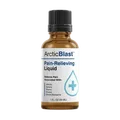
Physiological cascade sequence and bio-cellular signaling- Instant External Comfort: For immediate relief from acute joint stiffness and muscular tightness, Arctic Blast provides a breakthrough transdermal liquid solution. Utilizing pharmaceutical-grade DMSO paired with soothing natural camphor and menthol, it penetrates deep into aching tissues in seconds, calming overactive pain nerves and relaxing clenched muscles without the systemic risks of oral pain relievers.
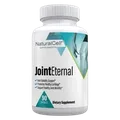
- Permanent Internal Rebuilding: To ensure your cartilage remains thick, hydrated, and resilient, pairing topical relief with JointEternal supplies the essential micronutrients, botanical anti-inflammatories, and collagen-building cofactors needed to halt enzymatic cartilage destruction and restore smooth, comfortable physical mobility.
Frequently Asked Questions
Why are my joints always stiffer in the morning than in the afternoon?
Morning joint stiffness is caused by two physiological factors: immobility and circadian inflammatory rhythms. While you sleep, the lack of joint movement causes synovial fluid to become gel-like and stagnant. Concurrently, systemic pro-inflammatory cytokines like interleukin-6 (IL-6) peak in the early morning hours around 4:00 AM to 6:00 AM. Performing non-weight-bearing joint circles in bed warms the synovial fluid, quickly restoring lubrication.
Is DMSO safe to use on aching joints?
Yes. Dimethyl Sulfoxide (DMSO) has been studied extensively for over 60 years and has an exceptionally high safety profile. Because DMSO is a natural universal solvent, it carries whatever is on the skin directly into deep tissues. Therefore, you should always wash and thoroughly dry your hands and the skin over your joint before applying high-quality DMSO formulas like Arctic Blast.
How does muscle tightness make joint arthritis worse?
Muscles act as the primary dynamic shock absorbers for your skeletal frame. When joint inflammation causes surrounding muscles to clench into a protective spasm, those tight muscles pull the articulating bones closer together. This dramatically increases compressive contact pressure inside the joint space, accelerating the mechanical grinding of cartilage and creating a vicious cycle of more pain and tighter muscles.
Scientific References & Validation
Full citations with PMID links, methodology notes & evidence ratings on puresupphub.com