When joint wear-and-tear begins to affect daily life, many people ask: Can I rebuild my joints by simply changing what I eat, or do I need targeted supplements? The answer lies in the biology of joint tissue and the specific concentrations of nutrients required to drive cartilage synthesis.
When joint wear-and-tear begins to affect daily life, many people ask: Can I rebuild my joints by simply changing what I eat, or do I need targeted supplements? The answer lies in the biology of joint tissue and the specific concentrations of nutrients required to drive cartilage synthesis.
Understanding the difference between dietary intake and clinical supplementation - and the roles of key compounds like collagen and glucosamine - is essential for making an informed choice.
Can You Get Enough Joint-Rebuilding Nutrients From Food?
Under normal conditions, a nutrient-dense diet rich in anti-inflammatory antioxidants, Vitamin C, and healthy minerals is sufficient to maintain joint integrity. However, once cartilage wear has initiated (such as in osteoarthritis or age-related joint decline), the body's demand for structural building blocks increases dramatically.
To match this demand using food alone is structurally difficult:
- Glucosamine and Chondroitin: These essential compounds are found almost exclusively in the shells of shellfish and animal cartilage (such as ears and joints). These are parts of food that are rarely consumed in the modern diet.
- Collagen Type II: While bone broth contains collagen, it is mostly Type I and Type III (which support skin and bone). The specific Type II collagen needed for joint cartilage is found in high concentrations only in chicken sternum cartilage.
- Molecular Size: The collagen in food exists in large, complex protein chains that are difficult for the digestive system to break down and absorb efficiently.
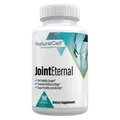
Targeted supplements like JointEternal bypass these limitations by providing pre-hydrolyzed, clinical doses of Glucosamine, Chondroitin, and Collagen Type II that are easily carried through the intestinal barrier.
Collagen vs. Glucosamine: Which Rebuilds Synovial Fluid?
If you decide to use supplements, it is important to know the distinct roles of the two most researched joint compounds:
Collagen (Type II) acts as the structural framework. It is the net or mesh that holds the joint tissue together. Supplemental collagen peptides stimulate the body's chondrocytes to produce new extracellular matrix, repairing the physical structure of the cartilage. Glucosamine acts as the moisture collector. It is a precursor to glycosaminoglycans (GAGs), the molecules that bind water inside the joint. Glucosamine works to draw water into the cartilage, rehydrating the shock-absorbing cushion and stimulating the production of synovial fluid.Rather than choosing one over the other, clinical studies show that combining them provides a synergistic effect - collagen repairs the physical netting, while glucosamine fills that netting with fluid and cushioning.
Arctic Blast: Rapid Topical Comfort Protocol
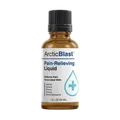
While systemic supplements like JointEternal work over weeks to rebuild the joint structure, acute discomfort often requires immediate, localized relief. This is where topical solutions like Arctic Blast serve a critical role.
Delivered as a fast-penetrating liquid, Arctic Blast uses a unique delivery system to target comfort receptors directly:
How to Apply Arctic Blast Topically
Apply 1 to 2 drops of the liquid directly over the affected joint (e.g., knee, elbow, or lower back). Massage gently in a circular motion for 30 seconds until the liquid is fully absorbed. The active cooling agents work immediately to soothe local nerve pathways.
How Many Times a Day Can You Apply It?
Arctic Blast can be applied up to 3 to 4 times daily as needed. Because it is applied topically, it bypasses the digestive tract entirely, providing immediate relief without systemic side effects or interference with oral supplements like JointEternal.
Safety Guidelines: Who Should Avoid Joint Supplements?
While joint supplements are safe for most individuals, specific warnings should be noted:
- Shellfish Allergies: Glucosamine is frequently derived from the exoskeletons of shellfish. Individuals with severe shellfish allergies should choose vegan glucosamine or consult their doctor.
- Blood Thinners: High doses of Chondroitin can have mild anticoagulant properties. If you are taking prescription blood thinners, check with your physician before starting supplementation.
- Topical Application: When using Arctic Blast, avoid contact with open wounds, eyes, or mucous membranes, and wash hands thoroughly after application.
By understanding the complementary roles of systemic rebuilding (JointEternal) and immediate topical comfort (Arctic Blast), you can design a balanced protocol that supports long-term mobility and daily comfort.
Why Musculoskeletal System Needs Daily Support
Joint cartilage has limited regenerative capacity because it lacks direct blood supply. Once degradation begins - accelerated by inflammation, oxidative stress, and physical wear - the discomfort and stiffness compound over time without targeted intervention.
Understanding this biological process helps explain why targeted daily support - not just isolated dietary improvements - is necessary for consistent results.
How Collagen Synthesis Works
Cartilage integrity depends on chondrocyte health and adequate glycosaminoglycan production. Inflammatory cytokines - particularly IL-1β and TNF-α - accelerate matrix metalloproteinase activity, breaking down the structural proteins that cushion joints.
This mechanism explains why the biological factors discussed in this article are not merely lifestyle suggestions but represent the foundational drivers of long-term musculoskeletal system health.
Scientific References & Validation
Full citations with PMID links, methodology notes & evidence ratings on puresupphub.com