We often think about our immune system only when we catch a cold or feel run down. However, our body's defense system is working 24/7 to protect us from bacteria, viruses, and environmental stress. Many of our everyday habits act like tiny leaks in our immune shield, draining our energy and making it harder for our immune cells to fight off threats.
We often think about our immune system only when we catch a cold or feel run down. However, our body's defense system is working 24/7 to protect us from bacteria, viruses, and environmental stress. Many of our everyday habits act like tiny leaks in our immune shield, draining our energy and making it harder for our immune cells to fight off threats.
Here are five common habits that are secretly weakening your immunity, and how you can fix them.
Key Takeaways
- Stress Cortisol: Chronic stress releases hormones that suppress immune cell activity.
- Sleep Impact: Lack of sleep reduces the production of protective proteins called cytokines.
- Sugar Effect: High sugar intake temporarily slows down the activity of white blood cells.
1. Chronic Lack of Sleep
When you sleep, your body releases proteins called cytokines, which help fight off infections. If you regularly sleep less than 7 hours a night, your body produces fewer of these protective proteins, leaving you more vulnerable to winter bugs.
2. Constantly Checking High-Stress News
Chronic stress causes a continuous release of cortisol. Over time, high cortisol levels suppress your immune system, reducing the number of white blood cells available to fight off threats. Unplug from news and screens for a few hours daily.
3. Sitting Stationary All Day
Physical movement stimulates the circulation of lymph fluid, which carries immune cells throughout your body. Sitting for hours slows down this fluid flow, making it harder for your immune system to detect and respond to threats quickly.
4. Eating Excess Processed Sugars
Consuming high amounts of sugar can temporarily suppress the ability of your white blood cells to destroy bacteria. This effect can last for several hours after eating a sugary snack, leaving your immune system temporarily weakened.
5. Chronic Mild Dehydration
Your immune system relies on lymph fluid to carry white blood cells throughout your body, and this fluid is mostly made of water. Dehydration slows down this transport system, reducing the speed of your body's immune response.
Rebuild Your Immune Shield Naturally
Breaking these habits is a vital first step, and you can support your body's natural defense systems by giving your cells targeted, premium nutrition.
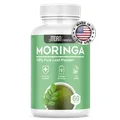
Consider taking Pure Moringa daily to help nourish your immune system. Moringa is a nutrient-dense superfood packed with vitamins A, C, and E. For comprehensive support, pair it with TonicGreens to provide a rich source of antioxidants and plant extracts, keeping your immune cells strong and active.
Why These Support Your Immune And Lymphatic System
The immune system requires a constant supply of micronutrients to maintain both innate and adaptive responses. Deficiencies in zinc, vitamin D, and specific antioxidants impair lymphocyte production and reduce the speed of pathogen recognition.
Understanding this biological process helps explain why targeted daily support - not just isolated dietary improvements - is necessary for consistent results.
How White Blood Cell Activation Works
Immune function operates through a layered defense. Natural killer cells and macrophages form the innate response, while T and B lymphocytes power the adaptive system. Antioxidants like glutathione and vitamin C protect these immune cells from oxidative damage during active inflammatory responses.
This mechanism explains why the biological factors discussed in this article are not merely lifestyle suggestions but represent the foundational drivers of long-term immune health.
Scientific References & Validation
Full citations with PMID links, methodology notes & evidence ratings on puresupphub.com