Trillions of bacteria live in your digestive tract, forming a complex ecosystem known as the gut microbiome. These bacteria play a major role in your health—specifically, they help train and support your immune cells, as about 70% of your body's immune system is located in your gut. Protecting your gut bacteria is key to keeping your immune shield strong.
Trillions of bacteria live in your digestive tract, forming a complex ecosystem known as the gut microbiome. These bacteria play a major role in your health - specifically, they help train and support your immune cells, as about 70% of your body's immune system is located in your gut. Protecting your gut bacteria is key to keeping your immune shield strong.
Here are five simple, daily habits to protect your gut microbiome and support your immunity.
Key Takeaways
- Gut-Immune Link: A healthy gut microbiome directly trains and supports immune cells.
- Dietary Diversity: Eating a wide variety of plants feeds different beneficial bacteria.
- Digestive Support: Avoiding processed sugars protects the sensitive intestinal lining.
1. Eat More Fiber-Rich Plants
Beneficial gut bacteria feed on prebiotic fiber, which is found in foods like garlic, onions, oats, and bananas. Eating a variety of plants helps feed different types of healthy bacteria, supporting gut diversity.
2. Incorporate Fermented Foods
Greek yogurt, kefir, sauerkraut, and kimchi contain live, beneficial bacteria (probiotics) that help replenish your gut flora and crowd out harmful bacteria.
3. Limit Processed Sugars
Processed sugars can feed harmful bacteria in your gut, leading to an imbalance that can weaken your intestinal barrier and trigger systemic inflammation.
4. Manage Daily Stress
Chronic stress can negatively impact the balance of your gut microbiome. Set aside a few minutes daily to practice relaxation techniques like deep breathing or stretching.
5. Avoid Unnecessary Antibiotics
While necessary for bacterial infections, overuse of antibiotics can destroy both harmful and beneficial gut bacteria, disrupting your microbiome for months.
Nourish Your Gut and Immunity
Protecting your gut microbiome is a powerful step toward a stronger immune system, and you can support this process by giving your body targeted, high-quality nutrients.
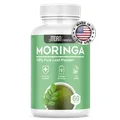
Using TonicGreens daily helps supply your body with a rich blend of organic greens, probiotics, and key antioxidants to support both your gut and your immune system. To reinforce this defense, consider pairing it with Pure Moringa to provide essential vitamins and minerals that nourish your cells and keep your energy high.
Why These Support Your Immune And Lymphatic System
The immune system requires a constant supply of micronutrients to maintain both innate and adaptive responses. Deficiencies in zinc, vitamin D, and specific antioxidants impair lymphocyte production and reduce the speed of pathogen recognition.
Understanding this biological process helps explain why targeted daily support - not just isolated dietary improvements - is necessary for consistent results.
How White Blood Cell Activation Works
Immune function operates through a layered defense. Natural killer cells and macrophages form the innate response, while T and B lymphocytes power the adaptive system. Antioxidants like glutathione and vitamin C protect these immune cells from oxidative damage during active inflammatory responses.
This mechanism explains why the biological factors discussed in this article are not merely lifestyle suggestions but represent the foundational drivers of long-term immune health.
Why These Support Your Biological Systems
The biological systems that regulate long-term health require consistent, targeted nutritional support to function optimally. Gaps in micronutrient intake create compounding deficits that accelerate cellular aging and systemic decline.
Understanding this biological process helps explain why targeted daily support is necessary for consistent results.
How Cellular Health Works
Cellular health depends on the efficient operation of enzymatic pathways that require specific vitamins, minerals, and botanical cofactors. When these nutrients are deficient, the body prioritizes acute survival functions over long-term tissue maintenance and repair.
This mechanism explains why the biological factors discussed in this article represent the foundational drivers of long-term biological systems health.
Scientific References & Validation
Full citations with PMID links, methodology notes & evidence ratings on puresupphub.com