Whey protein isolate (WPI) is widely regarded as the gold standard for muscle protein synthesis, athletic recovery, and body composition management. By undergoing advanced filtration processes that separate the protein from dairy fats and lactose, WPI achieves a high concentration of pure protein (typically 90% or more by weight). This makes it an ideal option for individuals who are lactose intolerant or managing strict macronutrient goals.
The Economics of Whey Protein Isolate
Whey protein isolate (WPI) is widely regarded as the gold standard for muscle protein synthesis, athletic recovery, and body composition management. By undergoing advanced filtration processes that separate the protein from dairy fats and lactose, WPI achieves a high concentration of pure protein (typically 90% or more by weight). This makes it an ideal option for individuals who are lactose intolerant or managing strict macronutrient goals.
However, WPI is notoriously expensive. The high cost of processing, combined with brand marketing budgets and retail markups, often inflates the final cost to unsustainable levels. In response, many budget-conscious consumers search for affordable whey protein isolate.
Unfortunately, the budget supplement market is filled with low-quality formulas, hidden fillers, and deceptive labeling practices. To obtain a clean, high-potency protein powder without paying premium retail prices, consumers must learn how to audit ingredients and bypass commercial retail middlemen.
Deceptive Practices in Low-Cost Protein: Amino Spiking
When buying cheap supplements, the primary risk is a widespread industry practice known as amino spiking (or nitrogen spiking). This is a legal loop-hole used by low-cost brands to artificially inflate the protein content claimed on the nutritional label.
How Nitrogen Spiking Works
Under current FDA regulations, the protein content of a supplement is calculated based on the total nitrogen content of the powder. Standard lab tests do not distinguish between nitrogen coming from complete, intact protein (like whey) and nitrogen coming from cheap, free-form amino acids.
To cut costs, dishonest brands:
- Take a low-cost powder containing only 15 grams of actual whey protein per serving.
- Add cheap, non-essential amino acids (like glycine, taurine, or alanine) and nitrogen-rich creatine.
- These additives boost the nitrogen content of the powder.
- When tested, the lab reads the high nitrogen level and registers the product as containing 25 grams of protein.
As a result, you are paying for 25 grams of complete whey protein isolate but only receiving 15 grams, with the rest filled with cheap, non-essential amino acids that do not trigger muscle protein synthesis.
The Mechanism of Nitrogen Spiking
- • 100% complete protein source
- • Standard lab test reads natural nitrogen
Label Result:
25g Genuine Protein (Verified)
- • Low-cost whey (15g) + cheap amino fillers (10g Glycine/Taurine)
- • Standard test counts nitrogen from fillers as protein
Label Result:
Deceptive 25g Label (Spiked)
The Vetting Checklist: How to Spot a Premium, Affordable Isolate
To ensure you are purchasing a legitimate, high-quality whey protein isolate at an affordable price, apply this strict vetting checklist to the ingredient label:
- Verify the Protein Ratio: Divide the grams of protein per serving by the total serving size in grams. A genuine whey isolate should have a protein ratio of at least 85-90%. If a serving size is 35g and the protein content is 20g, the ratio is only 57%, indicating high amounts of fillers, fats, or carbohydrate sugars.
- Scan the Amino Acid Profile: Reputable manufacturers print a full amino acid profile on the tub. Look for high levels of essential amino acids (EAAs) and Branched-Chain Amino Acids (BCAAs), specifically Leucine (which should represent roughly 10% of the total protein profile).
- Inspect the Ingredient Order: Ingredients are listed by weight. The very first ingredient must be "Cross-Flow Microfiltered Whey Protein Isolate." If "Whey Protein Concentrate" or "Sweet Whey" is listed first, it is a lower-grade blend, not a pure isolate.
- Avoid Gut Irritants: Reject powders that contain thickeners (like carrageenan or xanthan gum) and artificial sweeteners (like sucralose) in high amounts, as these are common drivers of bloating and gas.
Factory-Direct Sourcing: Bypassing the Retail Margin
The most effective way to obtain premium, audited WPI at an affordable price is to bypass retail distribution channels entirely. Traditional supplement brands sell their products to national distributors, who then sell to retail stores. Each step adds a margin that inflates the cost by 30% to 50%.
By sourcing directly from certified GMP manufacturers online, you eliminate these middleman markups. This direct-to-consumer model allows you to obtain clean, laboratory-tested formulas at factory-direct pricing, turning premium clinical-grade nutrition into a budget-friendly option.
Direct Connections for Muscle, Gut, and Metabolic Recovery
When looking to optimize physical recovery, metabolic health, or digestion, direct factory sourcing offers clean, high-potency alternatives:
Clean Physical Strength and Muscle Support
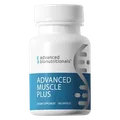
For active individuals seeking to prevent muscle loss, Advanced Muscle Plus offers a highly bioavailable amino matrix designed to stimulate protein synthesis. By bypassing retail brokers and purchasing direct, you ensure a secure chain of custody, guaranteeing that the active ingredients have not degraded on a retail shelf.
Enzymatic Break-Down and Digestion
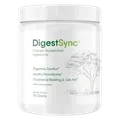
To optimize protein digestion and prevent the digestive bloating often associated with protein powders, DigestSync provides a premium matrix of digestive enzymes (including protease) and prebiotic fibers. Sourcing DigestSync directly from the manufacturer ensures the active enzymes remain stable and fresh.
Glucose and Insulin Defense
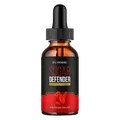
To support healthy glucose metabolism and prevent insulin spikes associated with sweet protein shakes, Sugar Defender provides a sublingual liquid blend of metabolic cofactors. Sourcing Sugar Defender direct ensures that the active botanicals remain fully intact, supporting glucose management and energy levels throughout the day.
Heavy Metal and Microbial Contaminant Vetting
Beyond protein concentration and amino purity, a comprehensive audit of a budget whey protein isolate must evaluate environmental contamination. Because cows consume large quantities of pasture grass and water, they are vulnerable to bioaccumulating heavy metals (such as lead, arsenic, cadmium, and mercury) present in the soil. Additionally, industrial milk processing facilities are potential breeding grounds for microbial pathogens like Salmonella and Listeria if sanitation protocols are not rigorously maintained.
Premium, clean isolates undergo Inductively Coupled Plasma Mass Spectrometry (ICP-MS) and microbial plating for every production batch. These independent lab tests ensure the final powder is chemically pure and safe. When looking for affordable WPI, consumers should bypass cheap retail products that do not disclose their laboratory test results. Buying directly from a GMP-certified manufacturer ensures access to these Batch Certificates of Analysis (CoA), guaranteeing complete safety and potency.
Verification of Batch Certificates of Analysis (CoA)
A Certificate of Analysis is the gold standard of supplement vetting. A true CoA contains specific quantitative measurements of heavy metal thresholds, microbiological contaminants, and the exact protein content percentage. Budget brands sold on third-party marketplaces often hide these documents, refusing to share them with consumers. By contrast, factory-direct manufacturers typically publish or provide batch-specific CoAs on request, validating that every scoop is completely free from chemical impurities.
Summary Comparison: Retail vs. Factory-Direct Sourcing
| Vetting Standard | Traditional Retail Brands | Verified Factory-Direct Sourcing |
|---|---|---|
| Middleman Markups | High (distributor & retail margins) | Zero (factory-direct pricing) |
| Risk of Nitrogen Spiking | High (common in low-cost retail brands) | None (100% audited EAA profiles) |
| Active Ingredient Potency | Variable (long warehouse storage) | High (recently bottled fresh batches) |
| Additive Load | High (artificial thickeners/fillers) | Low (clean, microfiltered protein) |
| Manufacturer Guarantee | Limited to retail store policy | 100% Eligible (60-day money-back guarantee) |
Scientific References & Validation
Full citations with PMID links, methodology notes & evidence ratings on puresupphub.com