In the field of clinical nutrition, not all proteins are created equal. When evaluating the nutritional value of a protein source, scientists look beyond the simple gram count on the label. They analyze bioavailability—the proportion of ingested protein that is successfully digested, absorbed in the intestinal tract, and utilized by the body for metabolic processes like tissue repair and protein synthesis.
The Concept of Protein Quality and Bioavailability
In the field of clinical nutrition, not all proteins are created equal. When evaluating the nutritional value of a protein source, scientists look beyond the simple gram count on the label. They analyze bioavailability - the proportion of ingested protein that is successfully digested, absorbed in the intestinal tract, and utilized by the body for metabolic processes like tissue repair and protein synthesis.
To measure protein quality, researchers use several validated indices:
- Biological Value (BV): Measures how efficiently the body utilizes protein absorbed from the diet. High-quality animal proteins, particularly whey, score the highest biological values.
- Protein Digestibility-Corrected Amino Acid Score (PDCAAS): Evaluates a protein based on both the amino acid requirements of humans and their ability to digest it. The highest possible score is 1.0.
- Digestible Indispensable Amino Acid Score (DIAAS): The modern standard that evaluates amino acid absorption directly at the end of the small intestine (ileum), providing a highly accurate measurement of systemic utilization.
Among all dietary proteins, whey protein consistently scores at the top of these metrics. However, the manufacturing method and sourcing of the milk - organic and grass-fed versus conventional - directly impact its biological value, chemical purity, and digestibility.
Conventional vs. Organic Whey: Sourcing and Structural Differences
Whey is a natural co-product of the cheese-making process. The raw material is liquid milk, meaning that any environmental contaminants, hormone residues, or agricultural chemicals present in the dairy cows' diet can concentrate in the final protein powder.
The Problem with Conventional Dairy
Conventional dairy farming in the United States often utilizes synthetic growth hormones (such as recombinant bovine somatotropin or rBST) to artificially boost milk production. Conventional cattle are also fed a diet dominated by pesticide-treated genetically modified corn and soy.
These feed profiles alter the fatty acid and nutrient composition of the milk. Furthermore, the heavy use of preventative antibiotics in crowded farming operations increases the risk of antibiotic residues transferring to the raw whey.
The Organic Difference
Certified organic whey protein is sourced exclusively from dairy cows fed an all-natural, pasture-based diet. By law, organic farming prohibits:
- Synthetic Hormones: Ensuring the milk is naturally free from artificial growth factors.
- Preventative Antibiotics: Protecting the purity of the milk and preventing antibiotic resistance.
- Chemical Pesticides: Ensuring the pasture feed is free from toxic pesticide residues.
From a structural perspective, organic, grass-fed dairy contains significantly higher concentrations of beneficial nutrients. Studies show that organic milk contains up to 60% more omega-3 fatty acids, higher levels of conjugated linoleic acid (CLA), and superior ratios of natural fat-soluble vitamins (such as Vitamin E and Beta-Carotene) compared to conventional milk.
Processing and Denaturation: Protecting the Native Protein Structure
The bioavailability of organic whey protein is highly dependent on the extraction process. Standard industrial processing utilizes high-heat pasteurization and acid treatments to isolate the protein.
However, high temperatures alter the delicate three-dimensional structure of the protein molecules - a process known as denaturation.
Whey Protein Extraction Methods
- • No thermal stress or chemical acid treatment
- • Keeps delicate immunoglobulins and lactoferrin intact
Bioavailability Status:
Native & Bioactive (Easy to Digest)
- • Extreme temperatures alter protein molecular shape
- • Destroys fragile immune-supporting immunoglobulins
Bioavailability Status:
Denatured & Damaged (May Cause Bloating)
When whey protein denatures:
- Loss of Immunoglobulins: Delicately structured immune-supporting proteins (like IgG, IgA, and IgM) are destroyed.
- Lactoferrin Degradation: Lactoferrin, a powerful iron-binding protein with antimicrobial properties, loses its biological activity.
- Reduced Digestibility: Cross-linked, denatured protein structures are harder for pancreatic enzymes (like pepsin and trypsin) to break down, which can lead to bloating, gas, and gut discomfort.
To protect the native protein structure, premium organic whey is isolated using cold-pressed cross-flow microfiltration. This mechanical process utilizes ceramic membranes to filter out fats and lactose at low temperatures (below 40°C), preserving the bioactive microfractions and ensuring maximum systemic bioavailability.
Bioavailability in Action: Muscle Synthesis and Gut Health
Once absorbed, native organic whey protein provides a dense concentration of Branched-Chain Amino Acids (BCAAs), specifically L-Leucine, L-Isoleucine, and L-Valine. L-Leucine acts as the primary molecular trigger for the mammalian target of rapamycin (mTOR) pathway, which stimulates muscle protein synthesis.
Because organic whey is isolated without chemical solvents or synthetic emulsifiers (like soy lecithin), it is highly gentle on the gastrointestinal tract. Conventional whey supplements often contain artificial sweeteners (such as sucralose or acesulfame potassium) and thickeners that can irritate the gut lining and disrupt the delicate balance of the microbiome. Sourcing clean, organic whey avoids these gut irritants, ensuring smooth digestion and absorption.
Sourcing Clean Amino and Gut Support Formulas
If you are looking to support muscle preservation, systemic energy, or digestive integrity, factory-direct clinical formulas offer the highest vetting standards:
Bioavailable Nitrogen Recovery
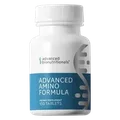
For individuals who experience digestive bloating from dairy or require pre-digested nitrogen absorption, Advanced Amino Formula provides all 8 essential amino acids in a highly purified, crystalline matrix. With a 99% nitrogen utilization rate, it bypasses the digestive requirements of whole proteins, making it an ideal option for rapid muscle recovery without gastrointestinal stress.
Anabolic Muscle Scaffolding
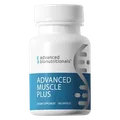
To support lean muscle mass and prevent age-related muscle loss, Advanced Muscle Plus combines essential amino acids with metabolic cofactors. Sourcing Advanced Muscle Plus directly from the GMP-certified lab ensures that the active amino acids remain stable and free from synthetic binders.
Digestive Integrity and Enzyme Support
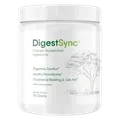
To optimize the digestion of proteins and macronutrients, DigestSync provides a targeted matrix of digestive enzymes (amylase, protease, lipase) combined with prebiotic fibers. Sourcing DigestSync direct from the manufacturer ensures that the delicate active enzymes are kept fresh, supporting the breakdown of dietary proteins and preventing post-meal bloating.
The Role of Beta-Lactoglobulin and Alpha-Lactalbumin
The biological efficacy of organic whey protein is defined by its individual protein microfractions. The two most abundant globular proteins in whey are Beta-Lactoglobulin (approx. 50-55%) and Alpha-Lactalbumin (approx. 20-25%). Beta-Lactoglobulin is a rich source of essential and branched-chain amino acids, playing a key role in muscle tissue preservation. It also acts as a carrier molecule for fat-soluble vitamins, assisting in their absorption.
Alpha-Lactalbumin is highly valued in clinical nutrition because its amino acid profile closely resembles that of human breast milk. It contains high levels of L-Tryptophan, an essential precursor for serotonin synthesis in the brain, supporting healthy mood, stress resilience, and sleep quality via the gut-brain axis. Sourcing organic whey isolated through cold microfiltration preserves the natural ratios and active states of these delicate fractions, delivering maximum systemic benefits.
Summary Comparison: Conventional vs. Organic Whey
| Performance Metric | Conventional Industrial Whey | Cold-Filtered Organic Whey |
|---|---|---|
| Bovine Diet | GMO Grain, Pesticides, Soy | 100% Pasture Grass, Organic |
| Growth Hormones (rBST) | Permitted (often present) | Strictly Prohibited (0% residues) |
| Bioactive Microfractions | Degraded (due to high-heat processing) | Fully Intact (cold-filtered microfiltration) |
| Digestive Comfort | Moderate (often contains artificial additives) | High (free from chemical emulsifiers) |
| Systemic Efficacy | Variable biological activity | Maximum (native protein structure preserved) |
Scientific References & Validation
Full citations with PMID links, methodology notes & evidence ratings on puresupphub.com