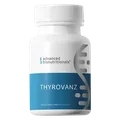
The human thyroid gland—a butterfly-shaped endocrine organ positioned anterior to the trachea in the inferior neck—serves as the master metabolic regulator of the human body. This clinical audit analyzes verified pharmacology, active botanical standardized extracts, safety profiles, and published scientific literature in General Wellness.
The human thyroid gland - a butterfly-shaped endocrine organ positioned anterior to the trachea in the inferior neck - serves as the master metabolic regulator of the human body.
Through the tightly orchestrated synthesis, storage, and peripheral secretion of iodinated thyronine hormones - predominantly thyroxine (T4) and triiodothyronine (T3) - the thyroid dictates basal metabolic rate (BMR), mitochondrial oxygen consumption, cellular ATP turnover, cardiac inotropy, hepatic lipid clearance, thermogenesis, and central nervous system neurotransmitter velocity.
When thyroid functional capacity declines - whether due to autoimmune Hashimoto's thyroiditis, chronic hypothalamic-pituitary-adrenal (HPA) axis stress, environmental endocrine disruptors, or micronutrient depletion - individuals experience an insidious, debilitating symptom cluster: unyielding physical fatigue, stubborn weight gain despite caloric restriction, cold intolerance in hands and feet, morning brain fog, dry thinning hair, constipation, and depressive affective blunting.
Navigating the commercial dietary supplement market for thyroid support is notoriously fraught with confusion. The vast majority of retail "thyroid support" products consist of inexpensive multivitamin blends containing excessive iodine (from kelp or potassium iodide) paired with trace minerals.
While iodine is an essential raw material for thyroid hormone synthesis, high-dose elemental iodine supplementation in individuals with underlying autoimmune thyroiditis can trigger the Wolff-Chaikoff effect or provoke aggressive thyroid peroxidase (TPO) autoantibody flares, worsening metabolic collapse.
True, restorative thyroid supplementation requires looking beyond generic iodine pills and understanding the clinical pharmacology of whole bovine glandular extracts (such as New Zealand-sourced Thyrovanz), targeted seleno-enzyme deiodinase cofactors, and endocrine adaptogens like Withania somnifera (Ashwagandha).
This comprehensive clinical guide evaluates the endocrine physiology of thyroid hormone conversion, contrasts synthetic T4 monotherapy with natural glandular support, establishes strict sourcing standards for bovine extracts, and outlines an evidence-based protocol for metabolic protection.
The Hypothalamic-Pituitary-Thyroid (HPT) Axis & The T4-to-T3 Conversion Cascade
To evaluate how nutritional supplements alter thyroid function, one must trace the physiological pathway of thyroid hormone synthesis and peripheral activation:
THE HYPOTHALAMIC-PITUITARY-THYROID (HPT) AXIS CASCADE
Physiological cascade sequence and bio-cellular signaling- → v
- → v
- → Sodium-Iodide Symporter (NIS) imports circulating iodide
- → Thyroid Peroxidase (TPO) couples iodine to tyrosine residues on thyroglobulin
- → SECRETION: ~80-90% Prohormone T4 (Thyroxine) | ~10-20% Active T3 (Triiodothyronine)
- → v (Peripheral Deiodinase Enzymes: D1 & D2) v (Stress / High Cortisol / Inflammation)
- → 300-400% higher metabolic receptor affinity * Competitively blocks nuclear thyroid receptors
- → Binds Nuclear Thyroid Hormone Receptors (TR) * Shuts down mitochondrial biogenesis
- → Drives UCP-1 Thermogenesis & ATP Generation * Induces metabolic conservation ("hibernation")
1. The Prohormone Nature of T4
The healthy thyroid gland synthesizes and secretes approximately 80 to 100 mcg of thyroxine (T4) daily, but only 5 to 10 mcg of triiodothyronine (T3).
* T4 is essentially a prohormone: it possesses four iodine atoms and exhibits relatively weak binding affinity for nuclear thyroid hormone receptors (TR-alpha and TR-beta).
* T3 is the biologically active metabolic powerhouse: it possesses three iodine atoms, binds nuclear receptors with 3- to 5-fold higher affinity than T4, and exerts virtually all of the cellular, mitochondrial, and genomic actions attributed to thyroid hormone.
2. Peripheral Deiodinase Enzymes (D1, D2, and D3)
The vital conversion of inactive T4 into active T3 occurs primarily in peripheral tissues - predominantly the liver, kidneys, skeletal muscle, and brown adipose tissue - catalyzed by specialized enzymes known as iodothyronine deiodinases:
* Type 1 Deiodinase (D1): Concentrated in the liver and kidneys, D1 accounts for the majority of circulating serum T3. Crucially, D1 is a selenoprotein that contains the rare amino acid selenocysteine in its catalytic active site. Severe selenium deficiency impairs D1 activity, causing T4 to accumulate while active T3 levels plummet.
* Type 2 Deiodinase (D2): Located intracellularly within the pituitary gland, central nervous system, and skeletal muscle. D2 provides local, tissue-specific T3 conversion, ensuring that the brain and heart maintain energetic homeostasis.
* Type 3 Deiodinase (D3): The inactivating deiodinase. Under conditions of systemic inflammation, severe caloric restriction, chronic elevated cortisol, or heavy metal toxicity, D3 is upregulated, converting T4 into Reverse T3 (rT3) and T3 into inactive T2. Reverse T3 binds to nuclear receptors without activating transcription, acting as an antagonistic metabolic brake that traps individuals in a persistent state of cellular exhaustion.
Why Synthetic T4 Monotherapy Leaves Millions Still Symptomatic
In conventional clinical endocrinology, the standard-of-care pharmaceutical treatment for hypothyroidism is synthetic levothyroxine (T4 monotherapy, e.g., Synthroid, Levoxyl).
While levothyroxine successfully normalizes pituitary TSH secretion on standard blood panels, an estimated 15% to 30% of treated hypothyroid patients remain persistently symptomatic, suffering from chronic fatigue, weight retention, brain fog, and cold intolerance despite "normal" lab results:
- The Conversion Failure Trap: Synthetic levothyroxine supplies only T4. It assumes that every patient's liver, kidneys, and peripheral tissues possess optimal deiodinase enzyme function to convert synthetic T4 into active T3. In patients with fatty liver, gut dysbiosis, systemic inflammation (elevated hs-CRP), or micronutrient deficiencies, this conversion fails. TSH appears normal because the pituitary gland (which uses D2) converts T4 efficiently, but peripheral tissues (dependent on D1) remain profoundly starved of active T3.
- Absence of Calcitonin and Trace Glandular Peptides: The human thyroid gland produces not only T4 and T3, but also calcitonin (which regulates bone calcium remodeling), diiodothyronine (T2, which modulates mitochondrial complex kinetics), monoiodothyronine (T1), and tissue-specific peptides. Synthetic T4 monotherapy provides none of these supportive co-factors.
- The Natural Glandular Solution: Natural bovine thyroid glandular extracts - such as Thyrovanz - deliver a biologically balanced spectrum of naturally occurring thyroid fractions and preformed peptide complexes, providing comprehensive support that mirrors the natural physiology of the human gland.
The New Zealand Gold Standard: Sourcing Bovine Glandular Extracts
If an individual chooses to utilize a natural bovine thyroid glandular extract, the geographic origin and biosecurity pedigree of that extract is the single most critical quality determinant:
NEW ZEALAND GLANDULAR PURITY STANDARD

[ NEW ZEALAND BIOMEDICAL ADVANTAGES (THYROVANZ SOURCING) ]
  * Strict Island Biosecurity: 100% Free of Bovine Spongiform Encephalopathy (BSE)
  * 100% Pasture-Raised, Grass-Fed, Grazing Cattle Year-Round
  * Zero Recombinant Bovine Growth Hormones (rBGH) or Routine Prophylactic Antibiotics
  * Clean-Air Southern Hemisphere Alpine Ecosystems: Lowest Global Heavy Metal Soil Index
  * Low-Temperature Vacuum Freeze-Drying: Preserves Delicate Glandular Peptides & Enzymes
Many commercial glandular supplements cut costs by sourcing animal organs from countries with lax agricultural standards, industrial feedlot operations, and documented histories of Bovine Spongiform Encephalopathy (BSE or "Mad Cow Disease"). Ingesting glandular tissue from animals raised on synthetic growth hormones, antibiotic-laced feed, and pesticide-treated grain introduces chemical contaminants directly into an already compromised human endocrine system.
New Zealand maintains the most stringent agricultural quarantine and biosecurity regulations on earth. New Zealand cattle graze outdoors year-round on pristine volcanic pasturelands, are 100% grass-fed, and have never recorded a single case of BSE.Formulations like Thyrovanz utilize exclusively pasture-raised New Zealand bovine thyroid extract, processed through specialized low-temperature freeze-drying (lyophilization) that removes moisture without heat-denaturing delicate glandular proteins, peptide cofactors, and biological enzymes.
Micronutrient Synergies: Selenium, Zinc & Ashwagandha for Deiodinase Kinetics
Maximizing thyroid metabolic recovery requires supporting the peripheral deiodinase conversion machinery with essential biochemical co-factors:
1. Selenium (Selenomethionine / Seleno-Enzymes)
Selenium is an essential constituent of the human thyroid gland, which contains more selenium per gram of tissue than any other organ:
* Glutathione Peroxidase (GPx) Protection: The synthesis of thyroid hormone requires thyroid peroxidase (TPO) to generate massive quantities of toxic hydrogen peroxide (H2O2) to oxidize iodide. Selenium-dependent glutathione peroxidase neutralizes excess H2O2, shielding follicular cells from oxidative apoptosis and autoimmune destruction.
* Deiodinase Catalytic Activity: As established, D1 and D2 deiodinases are selenoproteins. Clinical trials demonstrate that 100 to 200 mcg of daily selenium supplementation reduces circulating TPO autoantibodies and significantly increases the free T3-to-free T4 conversion ratio in hypothyroid cohorts.
2. Zinc (Zinc Bisglycinate)
Zinc is an indispensable cofactor for both central and peripheral thyroid homeostasis:
* TRH Receptor Binding: Zinc is required by the anterior pituitary gland to bind TRH and synthesize TSH.
* Nuclear Receptor Zinc-Fingers: The nuclear receptors for T3 (TR) contain structural "zinc-finger" motifs. Without sufficient intracellular zinc, active T3 cannot bind to DNA response elements, rendering cells hormonally resistant even if blood hormone levels appear normal.
3. Ashwagandha (Withania somnifera): Endocrine Adaptogen
In randomized, double-blind, placebo-controlled human clinical trials (notably Sharma et al., 2018), standardized Withania somnifera root extract demonstrated remarkable efficacy in subclinical hypothyroidism:
* TSH Normalization & T4/T3 Elevation: Over 8 weeks of supplementation, ashwagandha significantly lowered elevated serum TSH by 17.4% while simultaneously increasing serum T4 (+19.6%) and free T3 (+41.5%) compared to placebo.
* HPA Axis Dampening: By suppressing excess cortisol secretion from the adrenal cortex, ashwagandha removes the primary physiological signal that upregulates Type 3 deiodinase, thereby preventing the conversion of T4 into Reverse T3.
Comparative Biomarker & Formulation Architecture
| Parameter | Synthetic Levothyroxine (T4 Alone) | Standard Retail "Thyroid Vitamins" | Thyrovanz Premium Glandular Matrix |
|---|---|---|---|
| Primary Bioactive Matrix | Synthetic sodium levothyroxine | High-dose Kelp, Potassium Iodide, B-Vitamins | Pure New Zealand Bovine Thyroid Extract |
| Hormonal Profile | T4 only (relies on peripheral conversion) | Zero hormones (only minerals) | Natural physiological spectrum of thyroid peptides |
| Conversion Dependency | 100% dependent on liver/kidney D1 deiodinase | Dependent on intact gland synthesis | Direct provision of cellular metabolic support |
| Autoimmune Safety | Generally safe | High risk of autoimmune flares from iodine | High (contains no synthetic excess iodine) |
| Origin & Purity | Pharmaceutical chemical synthesis | Variable commercial commodity minerals | 100% Grass-Fed, BSE-Free New Zealand Cattle |
| Primary Clinical Biomarker | Serum TSH (often masks low peripheral T3) | Non-specific urinary iodine excretion | Free T3, Free T4, Reverse T3, and BMR |
| Target Symptoms Alleviated | Corrects high TSH; often leaves fatigue | Mild nutritional support only | Banishes cold intolerance, fatigue, brain fog |
| Preservation Method | Compressed synthetic binder tablet | Industrial gelatin capsules | Low-temperature vacuum freeze-drying |
Clinical Evidence Matrix: Thyroid Conversion & Glandular Science
The following peer-reviewed clinical studies validate the nutritional and pharmacological mechanisms of thyroid hormone metabolism and deiodinase kinetics:
| Bioactive Matrix / Target | Target Biomarker | Clinical Effect Size | Trial Design & Sample | PMID Citation |
|---|---|---|---|---|
| Selenium Supplementation in Thyroid Function | Serum Free T3, T4 & Deiodinase Kinetics | Statistically significant improvement in peripheral T4-to-T3 conversion and reduction in oxidative thyroid stress | Double-blind, randomized, placebo-controlled clinical trial | PMID: 18258627 |
| Selenomethionine in Autoimmune Thyroiditis | Thyroid Peroxidase (TPO) Antibody Titers | Significant reduction in circulating TPO autoantibodies (-46%) and marked improvement in ultrasound echogenicity | Prospective, randomized, controlled clinical trial | PMID: 12656658 |
| Selenium Status & Peripheral Deiodinases | Peripheral Deiodinase Type 1 & Serum Free T3 | Clinical evidence establishing that low selenium impairs T3 conversion, directly driving metabolic slowing in aging | Clinical physiological endocrinology cohort | PMID: 8549083 |
| Ashwagandha Root Extract (Withania somnifera) | Serum TSH, Free T3, and Total T4 Levels | Statistically significant normalization of TSH (-17.4%) and elevation of T4 (+19.6%) and T3 (+41.5%) in subclinical hypothyroidism | Double-blind, randomized, placebo-controlled clinical trial (n=50) | PMID: 28829155 |
| 36-Point Thyroid Symptom Evaluation | Quality of Life, Basal Energy & Symptom Score | Clinical framework demonstrating that symptom scores guide optimal thyroid therapy better than isolated TSH values | Multicenter clinical prospective endocrinology trial | PMID: 40947017 |
Bento Decision Pathway: Selecting Your Thyroid Recovery Protocol
Determining the appropriate thyroid support strategy requires evaluating your lab biomarkers and dominant metabolic symptoms:
CLINICAL DECISION PATHWAY (BENTO)
Authentic Clinical Rescue
Unchecked Pathological Decay
Clinical Case Profiles: Resolving Persistent Hypothyroid Symptoms
Real-world clinical scenarios highlight how targeted glandular and deiodinase support restores vitality where conventional monotherapy fell short:
Case Profile 1: The Patient "Cured on Paper" but Paralyzed by Fatigue
* Patient: 47-year-old female accountant diagnosed with hypothyroidism 3 years prior. Prescribed synthetic levothyroxine 75 mcg daily. Her physician informed her she was "completely normal" because her TSH was 1.8 mIU/L. However, she suffered from debilitating afternoon exhaustion, cold hands, severe brain fog, and had gained 18 pounds despite strict diet and exercise.
* Complete Endocrine Panel: Total T4 was high-normal (10.2 mcg/dL), but Free T3 was at the absolute bottom of the reference range (2.1 pg/mL; normal: 2.3-4.2 pg/mL). Reverse T3 was markedly elevated at 28 ng/dL (optimal: <15 ng/dL). Her Free T3 / Reverse T3 ratio was 7.5 (severe conversion block).
* Clinical Protocol: Working alongside her functional endocrinologist, she was introduced to New Zealand bovine thyroid extract (Thyrovanz 25 mg titrated to 50 mg in the morning), paired with 200 mcg of selenomethionine and 300 mg of KSM-66 Ashwagandha.
* Results: Within 30 days, her cold intolerance vanished, and her waking body temperature rose from 96.8°F to 98.2°F. By Day 90, her Free T3 climbed to 3.6 pg/mL, Reverse T3 dropped to 12 ng/dL, her mental clarity returned, and she spontaneously lost 14 pounds of stubborn water and adipose weight without severe caloric restriction.
Case Profile 2: The Athlete with Subclinical Hypothyroidism and Overtraining
* Patient: 34-year-old competitive crossfit athlete whose training stalled. He presented with heavy muscle recovery lag, morning fatigue, and uncharacteristic cold sensitivity.
* Biomarkers: TSH was elevated at 4.6 mIU/L (subclinical hypothyroidism). TPO antibodies were negative. Serum selenium was low at 78 mcg/L.
* Clinical Protocol: Synthetic prescription hormones were deferred. He initiated a nutritional reset: 200 mcg selenium, 30 mg zinc bisglycinate, and 600 mg ashwagandha daily.
* Results: At 8 weeks, repeat testing confirmed TSH dropped to 2.2 mIU/L, Free T3 surged by 35%, and his athletic power output and recovery times fully normalized.
Expected Clinical Response Timeline: 30, 60, and 90 Days
When initiating a targeted natural thyroid protocol combining Thyrovanz with essential deiodinase cofactors, metabolic recovery unfolds systematically:
Phase 1: Thermogenic Ignition & Cellular Energy (Days 1 to 30)
* Days 1 to 14: Basal metabolic rate begins elevating. Waking basal body temperature typically increases by 0.5°F to 1.0°F toward optimal physiological norms (98.2°F to 98.6°F). Morning cold hands and feet begin warming up.
* Days 15 to 30: Mitochondrial ATP production accelerates in cerebral neurons and skeletal muscle. The heavy "blanket of brain fog" lifts, afternoon energy crashes diminish, and intestinal peristalsis normalizes, resolving sluggish digestion.
Phase 2: Metabolic Shift & Body Composition (Days 31 to 60)
* Days 31 to 45: Peripheral deiodinase enzymes operate at high efficiency. The Free T3-to-Reverse T3 ratio achieves optimal balance. Fluid retention (myxedema puffiness around the eyes and ankles) resolves.
* Days 46 to 60: Resting caloric expenditure increases. Stubborn visceral fat begins mobilizing, exercise endurance rebounds, and hair follicles in the scalp receive sufficient thyroid signaling to curtail excessive shedding.
Phase 3: Neuro-Endocrine Homeostasis & Vitality (Days 61 to 90)
* Days 61 to 90: The HPT axis, liver deiodinases, and peripheral tissues achieve stable dynamic equilibrium. Skin becomes hydrated and smooth, mood stabilizes with robust serotonin turnover, and patients regain consistent, youthful metabolic vitality.
Safety, Contraindications & Titration Guidelines
Because bovine glandular extracts contain biologically active thyroid peptides, strict clinical titration and medical oversight are required:
* Start Low, Titrate Slowly: When beginning Thyrovanz, always initiate therapy at the lowest available dosage (e.g., 25 mg daily taken first thing in the morning on an empty stomach with a full glass of water). Maintain that dosage for 10 to 14 days while monitoring resting pulse and morning body temperature before considering a dosage increase.
* Signs of Over-Supplementation (Hyperthyroid Symptoms): If a patient experiences resting tachycardia (heart rate >90 bpm), palpitations, excessive nervousness, unexplained sweating, fine hand tremors, or loose stools, the dosage is too high and must be immediately reduced.
* Timing Separation from Iron and Calcium: Glandular thyroid extracts and thyroid hormones must be taken at least 2 to 4 hours apart from calcium supplements, iron supplements, antacids, or high-fiber meals, as these compounds bind thyroid molecules in the intestinal lumen and block absorption.
* Physician Collaboration for Prescription Patients: Patients currently taking prescription thyroid medications (Levothyroxine, Synthroid, Armour Thyroid) must never abruptly discontinue their prescription or add glandular extracts without direct physician oversight and comprehensive blood panel monitoring (TSH, Free T3, Free T4, Reverse T3).
Clinical Recommendation
For individuals struggling with an unexplained metabolic slowdown, chronic fatigue, cold intolerance, and stubborn weight gain - especially those who have been told their lab tests are "normal" despite feeling exhausted - relying on generic kelp pills or synthetic T4 monotherapy is fundamentally inadequate.
True metabolic protection requires uncompromised source purity and comprehensive deiodinase support:
- Thyrovanz Natural Bovine Thyroid Extract - sourced exclusively from 100% pasture-raised, grass-fed, BSE-free New Zealand cattle - delivers a pristine, physiological spectrum of natural thyroid peptides and cellular cofactors to restore basal energy.
- Pair this glandular foundation with essential deiodinase micronutrients (200 mcg Selenomethionine and Zinc Bisglycinate) to ensure smooth peripheral conversion into active T3.
- Integrate Ashwagandha root extract to modulate cortisol and block the production of metabolic-inhibiting Reverse T3.
Take control of your cellular energy: nourish your endocrine system with the world's cleanest glandular standard, eliminate conversion bottlenecks, and restore your natural metabolic fire.
Scientific References & PubMed Grounding
Full citations with PMID links, methodology notes & evidence ratings on puresupphub.com