There is a mineral so critical to cardiac function that without it, your heart cannot beat correctly. A mineral so important to blood vessel health that its deficiency causes the smooth muscles surrounding your arteries to contract and spasm. A mineral so essential that it participates in over 300 biochemical reactions — yet over 50% of the American population is chronically deficient in it.
The Most Underdiagnosed Cardiovascular Risk Factor
There is a mineral so critical to cardiac function that without it, your heart cannot beat correctly. A mineral so important to blood vessel health that its deficiency causes the smooth muscles surrounding your arteries to contract and spasm. A mineral so essential that it participates in over 300 biochemical reactions - yet over 50% of the American population is chronically deficient in it.
That mineral is magnesium.
Why Magnesium Is a Cardiovascular Cornerstone
Magnesium's relationship with the cardiovascular system is direct and multifaceted:
#### 1. Calcium Channel Blocking
Smooth muscle cells surrounding blood vessel walls contain calcium channels. When calcium floods into these cells, they contract - constricting the vessel and raising blood pressure. Magnesium acts as a natural calcium channel blocker, competing with calcium for entry into these cells and keeping the vascular smooth muscle in a relaxed state.
When magnesium is deficient, calcium dominates. The result is chronically elevated vascular tone - a major driver of essential hypertension.
#### 2. Nitric Oxide Synthesis
Magnesium is a required cofactor for the enzyme responsible for producing Nitric Oxide from L-Arginine. Without adequate magnesium, Nitric Oxide production is compromised even when the dietary precursors are available. This means that magnesium deficiency can neutralize the cardiovascular benefits of an otherwise healthy diet.
#### 3. Cardiac Rhythm Regulation
The electrical signals that coordinate each heartbeat - the action potential - depend on the precise movement of ions (sodium, potassium, calcium, magnesium) across the cardiac cell membrane. Magnesium helps regulate the potassium channel currents that determine heart rate and rhythm. Magnesium deficiency is directly associated with cardiac arrhythmias, including atrial fibrillation.
#### 4. Atherosclerosis Prevention
Research published in the American Journal of Clinical Nutrition found that higher dietary magnesium intake is independently associated with a lower incidence of coronary artery calcification - a direct measure of atherosclerotic plaque burden.
Why Are We So Deficient?
The modern epidemic of magnesium deficiency is driven by multiple converging factors:
- Soil Depletion: Industrial agriculture has stripped topsoil of minerals. Magnesium content in fruits and vegetables has declined by 20-30% over the last 50 years.
- Processed Food Diet: Refined grains, which make up the bulk of the Western diet, have had their magnesium-rich germ removed during processing.
- Pharmaceutical Interactions: Proton pump inhibitors (for acid reflux), diuretics, and some antibiotics significantly deplete magnesium stores.
- Chronic Stress: Cortisol - the stress hormone - directly promotes urinary magnesium excretion. Chronic stress is a direct magnesium drain.
- Alcohol Consumption: Alcohol increases renal magnesium excretion by up to 30%.
The Diagnostic Gap
Here is the cruel reality of magnesium deficiency: standard blood tests measure serum magnesium - the tiny fraction (1%) of total body magnesium that circulates in the blood. The body will scavenge magnesium from bones and muscles to maintain serum levels, meaning a standard blood test can appear "normal" even when total body magnesium stores are critically depleted.
A red blood cell (RBC) magnesium test is far more accurate but rarely ordered in routine checkups.
Restoring Cardiovascular Magnesium Support
The most bioavailable forms of magnesium for cardiovascular support include magnesium glycinate, magnesium malate, and magnesium taurate (which has additional direct cardiac benefits due to the taurine molecule).
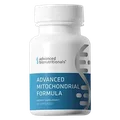
Supporting the broader cardiovascular system simultaneously amplifies the impact. CircO2 provides a synergistic matrix that supports optimal circulation and oxygen delivery, complementing the vascular relaxation effects of adequate magnesium. For individuals whose fatigue accompanies their cardiovascular symptoms, Advanced Mitochondrial Formula addresses the cellular energy production deficits that often co-occur with magnesium insufficiency at the mitochondrial level.
Warning Signs You May Be Magnesium Deficient
If you experience any of the following, magnesium deficiency may be a contributing factor:
- Muscle cramps or spasms (especially at night)
- Irregular heartbeat or palpitations
- High blood pressure that is resistant to dietary changes
- Chronic fatigue and low energy
- Difficulty sleeping or staying asleep
- Anxiety and heightened stress response
Conclusion
Magnesium is the unsung hero of cardiovascular health - undervalued, under-tested, and critically under-consumed by most adults. The science is unambiguous: adequate magnesium status is one of the most powerful modifiable factors in protecting your heart, regulating your blood pressure, and maintaining a healthy cardiac rhythm for life.
Scientific References & Validation
Full citations with PMID links, methodology notes & evidence ratings on puresupphub.com