We are living in an unprecedented era of digital exposure. From smartphones to flat-screen TVs to LED lighting, our eyes are constantly bombarded by high-energy blue light. While blue light occurs naturally in sunlight, the concentrated, artificial blue light emitting from screens penetrates deep into the eye, bypassing the cornea and striking the delicate macula directly.
We are living in an unprecedented era of digital exposure. From smartphones to flat-screen TVs to LED lighting, our eyes are constantly bombarded by high-energy blue light. While blue light occurs naturally in sunlight, the concentrated, artificial blue light emitting from screens penetrates deep into the eye, bypassing the cornea and striking the delicate macula directly.
For aging adults, whose eyes naturally lose some of their protective pigments, this constant exposure can accelerate cellular damage, leading to severe eye strain and a higher risk of macular degeneration. Here is how to protect your eyes from blue light naturally.
Key Takeaways
- The 2-Hour Rule: Protecting your circadian rhythm and your retinas before bed.
- Lutein and Zeaxanthin: The internal "sunglasses" that block blue light.
- Screen Adjustments: Simple software tweaks that reduce high-energy light.
1. Install Blue Light Filtering Software
The simplest way to reduce blue light exposure is to stop it at the source. Most modern smartphones and computers have built-in settings (like "Night Shift" or "Eye Comfort Shield") that warm the color temperature of your screen, significantly reducing the emission of blue light. Make it a habit to turn these filters on, especially if you work on a computer all day.
2. Build Your Internal "Sunglasses"
Your retina relies on two powerful antioxidants - Lutein and Zeaxanthin - to filter out harmful blue light before it can damage the underlying cells. Think of these nutrients as internal sunglasses. Because the human body cannot produce them, they must come from your diet. Dark leafy greens, egg yolks, and brightly colored peppers are excellent sources. Replenishing these pigments is critical for eye health for aging adults.
3. Implement the 2-Hour Digital Sunset
Blue light does more than just strain your eyes; it halts the production of melatonin, severely disrupting your sleep cycle. Furthermore, the eyes need time in total darkness to regenerate a vital protein called rhodopsin, which is necessary for night vision. Turn off all screens at least two hours before bed to give your retinas the time they need to heal and repair from the day's exposure.
Targeted Defense for Digital Eye Strain
If you spend more than four hours a day looking at screens, dietary sources of antioxidants may not be enough to combat the intense oxidative stress.
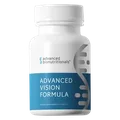
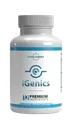
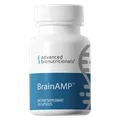
Taking the Advanced Vision Formula is an excellent strategy for those seeking supplements for computer eye strain, as it delivers clinical doses of Lutein and Zeaxanthin to protect eyesight naturally. Pairing it with iGenics offers comprehensive support for the aging macula, while BrainAMP helps combat the mental fatigue that so often accompanies severe digital eye strain.
Scientific References & Validation
Full citations with PMID links, methodology notes & evidence ratings on puresupphub.com