If you constantly find yourself blinking forcefully, rubbing your eyes, or relying on over-the-counter eye drops just to make it through the day, you are familiar with the misery of chronic dry eyes. This clinical audit analyzes verified pharmacology, active botanical standardized extracts, safety profiles, and published scientific literature in Vision & Eye Health.
Beyond Just an Annoyance
If you constantly find yourself blinking forcefully, rubbing your eyes, or relying on over-the-counter eye drops just to make it through the day, you are familiar with the misery of chronic dry eyes.
While most people treat dry eyes as a minor, superficial annoyance caused by staring at a screen or sitting in an air-conditioned room, the reality is much more serious. Chronic dry eyes are often a biological warning sign indicating systemic inflammation and cellular decline within the ocular ecosystem.
The Anatomy of a Healthy Tear
To understand why your eyes are dry, you must understand that your tears are not just salty water. A healthy tear film consists of three distinct, perfectly balanced layers:
- The Mucin Layer (Inner): A mucous layer that coats the surface of the cornea, allowing the watery layer to stick to the eye rather than beading up and rolling off.
- The Aqueous Layer (Middle): The thick, watery layer that provides moisture, oxygen, and nutrients to the cornea.
- The Lipid Layer (Outer): An oily layer secreted by the meibomian glands along the edge of the eyelids. This oil floats on top of the water, preventing the tears from evaporating into the air.
The Root Cause of the Drought
When you experience chronic dry, burning, or gritty eyes, it means this three-layer system has broken down. In the vast majority of cases, the problem is not a lack of water, but a failure of the Lipid Layer.
When systemic inflammation affects the body, it often inflames the meibomian glands in the eyelids. As these glands become inflamed and clogged, they stop secreting the essential oils needed to seal the tear film.
Without this protective oil layer, the watery layer of your tears evaporates almost instantly upon contact with the air. Your eye attempts to compensate by producing more watery tears (which is why dry eyes often water excessively), but without the oil to hold them in place, the tears simply evaporate or run down your face, leaving the cornea exposed and irritated.
The Long-Term Danger
Ignoring chronic dry eyes is dangerous. The tear film is the cornea's only source of oxygen and nutrients. When the cornea is chronically dry, it becomes inflamed, highly sensitive to light, and susceptible to micro-abrasions and infections, which can eventually lead to permanent scarring and blurred vision.
Restoring Cellular Hydration
Relying on artificial tears only provides temporary, surface-level relief. To truly resolve dry eyes, you must address the inflammation and support the cellular health of the tear-producing glands from the inside out.
#### 1. Essential Fatty Acids
Omega-3 fatty acids are critical for ocular hydration. They naturally reduce systemic inflammation and provide the raw materials the meibomian glands need to produce the high-quality oils required to seal the tear film.
#### 2. Comprehensive Ocular Nutrition
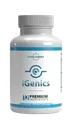
Calming the inflammation around the glands requires potent antioxidants. Formulations like iGenics are designed to support the entire ocular ecosystem. By providing targeted botanical extracts that lower oxidative stress and support healthy cellular function, these supplements help soothe the inflamed meibomian glands.
Once the inflammation subsides, the glands can resume producing the critical lipid layer, stopping rapid evaporation and restoring deep, lasting hydration to the surface of the eye.
Conclusion
Dry eyes are a cry for help from your ocular glands. By shifting your focus from temporary eye drops to internal, cellular nutritional support, you can reduce inflammation, rebuild a healthy tear film, and enjoy clear, comfortable vision all day long.
How the Ocular And Vascular System Responds
The macula - the central region of the retina responsible for sharp vision - has the highest metabolic activity and oxygen demand in the body. Lutein and zeaxanthin accumulate in the macular pigment layer, acting as biological blue-light filters and antioxidants.
This mechanism explains why the biological factors discussed in this article are not merely lifestyle suggestions but represent the foundational drivers of long-term ocular health.
Scientific References & Validation
Full citations with PMID links, methodology notes & evidence ratings on puresupphub.com