For millions of adults over 50, waking up is accompanied by a familiar, unwelcome ritual: waiting for the morning stiffness to subside. Joint pain, whether it is a dull ache in the knees or a sharp pain in the hips, fundamentally limits your quality of life. Activities you once loved—gardening, hiking, or even just playing with grandchildren—become sources of anxiety.
For millions of adults over 50, waking up is accompanied by a familiar, unwelcome ritual: waiting for the morning stiffness to subside. Joint pain, whether it is a dull ache in the knees or a sharp pain in the hips, fundamentally limits your quality of life. Activities you once loved - gardening, hiking, or even just playing with grandchildren - become sources of anxiety.
While the conventional medical approach relies heavily on Non-Steroidal Anti-Inflammatory Drugs (NSAIDs), long-term use of these medications carries severe risks, including gastrointestinal bleeding and kidney damage. This has driven a massive shift toward discovering how to relieve joint pain naturally and permanently.
The Root Causes of Joint Discomfort
Before you can treat the pain, you must understand what is causing it. The two primary culprits behind aging joints are:
- Cartilage Degradation: Decades of wear and tear erode the smooth cartilage that cushions your bones. When this shock absorber wears thin, bone rubs on bone.
- Chronic Inflammation: In response to this friction, the immune system triggers an inflammatory response. The joint capsule fills with fluid, causing the visible swelling, heat, and severe stiffness you experience.
Natural Strategies for Arthritis Pain Relief
To achieve fast-acting relief for joint discomfort, you must address both the structural damage and the inflammatory cascade simultaneously.
1. Movement is Medicine (Low-Impact)
It may seem counterintuitive to move when you are in pain, but motion actually lubricates the joints. Synovial fluid - the natural lubricant inside your joints - is pushed into the cartilage through physical movement. Low-impact exercises like swimming, stationary cycling, and Tai Chi are essential for pushing this nourishing fluid into the joint capsule without causing further impact damage.
2. The Anti-Inflammatory Diet
What you eat directly impacts how your joints feel. Processed sugars, refined carbohydrates, and unhealthy trans fats trigger systemic inflammation. Transitioning to a Mediterranean-style diet rich in Omega-3 fatty acids (found in wild-caught salmon and chia seeds) and antioxidants can significantly reduce the biochemical markers of inflammation.
3. Targeted Nutritional Support
Diet and exercise are foundational, but repairing years of joint damage often requires concentrated, clinical support. When looking for the best supplement for joint pain and stiffness, look beyond standard glucosamine.
Modern functional medicine has identified powerful natural compounds - such as specialized botanical extracts and bio-identical cartilage precursors - that do not just mask the pain, but actively down-regulate the inflammatory enzymes within the joint while providing the raw materials needed for structural repair. By addressing the root cause, you can restore mobility and reclaim your active lifestyle without the side effects of traditional painkillers.
Clinical Recommendation
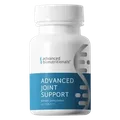
For comprehensive support addressing the biological pathways discussed in this article, our clinical advisory board strongly recommends Advanced Joint Support as a targeted nutritional solution.