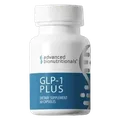
The weight loss industry has been revolutionized by a new class of medications known as GLP-1 receptor agonists. These prescription injectables work by mimicking the GLP-1 hormone, drastically reducing appetite, slowing digestion, and regulating blood sugar. This clinical audit analyzes verified pharmacology, active botanical standardized extracts, safety profiles, and published scientific literature in Weight Management.
The weight loss industry has been revolutionized by a new class of medications known as GLP-1 receptor agonists. These prescription injectables work by mimicking the GLP-1 hormone, drastically reducing appetite, slowing digestion, and regulating blood sugar.
However, as the popularity of these drugs has surged, so too have concerns regarding their accessibility, exorbitant costs, and long-term side effects - including nausea, muscle loss, and the infamous "rebound weight gain" that occurs when the medication is stopped.
This has led thousands of health-conscious adults to ask a critical question: Are there natural alternatives to GLP-1 that provide similar appetite control without the risks?
Understanding How GLP-1 Works
Glucagon-like peptide-1 (GLP-1) is a hormone naturally produced in your gut after you eat. It performs three vital functions:
- Brain Signaling: It travels to the hypothalamus, telling your brain that you are full and satisfied, effectively silencing "food noise."
- Gastric Emptying: It slows down the rate at which food leaves your stomach, keeping you fuller for longer.
- Insulin Regulation: It prompts the pancreas to release just the right amount of insulin to manage blood sugar efficiently.
How to Boost GLP-1 Naturally
You do not necessarily need a synthetic injectable to activate this pathway. Certain dietary interventions and specialized supplements can stimulate the "L-cells" in your gut to secrete more of your own endogenous GLP-1.
1. Fermentable Fibers
The microbiome plays a massive role in hormone regulation. When the good bacteria in your gut ferment specific types of soluble fiber (like inulin, beta-glucan, and resistant starch), they produce Short-Chain Fatty Acids (SCFAs). These SCFAs directly trigger the release of GLP-1.
2. Bitter Botanicals and Berberine
Certain botanical extracts have been shown to influence metabolic pathways similar to prescription drugs. Berberine, often referred to as "nature's Ozempic," has extensive clinical backing for its ability to activate the AMPK enzyme, improve insulin sensitivity, and promote a feeling of fullness.
3. Targeted Supplementation
For individuals struggling with constant hunger and difficulty feeling full, bridging the gap with a targeted, non-prescription supplement is often the most practical solution. Formulas like GLP-1 Plus are specifically engineered to provide the highly specialized fibers and botanical extracts necessary to nourish the gut microbiome and stimulate natural hormone production.
By choosing a natural alternative, you empower your body to self-regulate its appetite, offering a sustainable, long-term solution to weight management without the dependency associated with synthetic drugs.
Scientific References & Validation
Full citations with PMID links, methodology notes & evidence ratings on puresupphub.com