For decades, the standard advice for protecting the heart has been simple: lower your cholesterol. Cholesterol has been vilified as the primary culprit behind clogged arteries and heart attacks. However, modern cardiology has revealed that this picture is dangerously incomplete.
The Misunderstood Mechanism of Heart Disease
For decades, the standard advice for protecting the heart has been simple: lower your cholesterol. Cholesterol has been vilified as the primary culprit behind clogged arteries and heart attacks. However, modern cardiology has revealed that this picture is dangerously incomplete.
While cholesterol is found inside arterial plaque, it is not the cause of the plaque. To truly protect your cardiovascular system, you must understand the biological trigger that causes the plaque to form in the first place: Endothelial Inflammation.
The Anatomy of an Artery
Your arteries are lined with a delicate, single layer of cells called the endothelium. This layer acts as a protective barrier, keeping the blood flowing smoothly and preventing toxins from entering the arterial wall.
When this barrier is healthy, cholesterol (which is an essential fat required for hormone production and cellular repair) simply floats by without causing any harm.
The True Culprit: Inflammation
The danger begins when the endothelial lining is damaged. This damage is caused by chronic, systemic inflammation driven by:
- High Blood Sugar: Excess glucose acts like shards of glass, scoring and scratching the endothelial wall.
- High Blood Pressure: The sheer mechanical force of hypertension pounds against the arterial walls, creating microscopic tears.
- Oxidative Stress: Free radicals from smoking, pollution, and poor diet attack the delicate cells.
When the endothelium is injured, the body's immune system responds exactly as it would to a cut on your skin. It sends white blood cells (macrophages) to the site of the injury to clean up the damage.
How Plaque Forms
As the macrophages attempt to heal the microscopic tear in the artery wall, they consume the small, dense LDL cholesterol particles circulating in the blood.
The macrophages engorge themselves on the cholesterol until they become bloated "foam cells." These foam cells get trapped within the arterial wall, where they die and harden. The body attempts to cover this toxic mess with a fibrous cap, and eventually, calcium is deposited to harden the area.
This hardened scar tissue is arterial plaque.
The plaque narrows the artery, severely restricting blood flow. If the fibrous cap ruptures, the body attempts to heal it by forming a blood clot. If that clot blocks the artery completely, it causes a heart attack or a stroke.
Stopping the Plaque Formation
You cannot simply focus on lowering cholesterol if the underlying inflammation continues to damage the arterial walls. To stop plaque formation, you must heal the endothelium.
#### 1. Anti-Inflammatory Nutrition
Eliminating processed sugars, trans fats, and industrial seed oils is critical for reducing systemic inflammation. Incorporating powerful antioxidants (like Omega-3 fatty acids and Vitamin C) helps neutralize the free radicals that attack the endothelial lining.
#### 2. Enhancing Endothelial Function
The healthiest endothelium is one that is flooded with Nitric Oxide. Nitric Oxide not only widens the blood vessels, but it also makes the endothelial wall "slippery," preventing white blood cells and cholesterol from adhering to it in the first place.
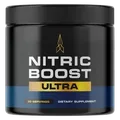
Advanced formulations like Nitric Boost Ultra focus specifically on this protective mechanism. By providing the body with potent, natural precursors to Nitric Oxide and targeted antioxidants, these supplements help soothe the inflamed endothelial lining, support robust vasodilation, and maintain the smooth, flexible arteries required for lifelong cardiovascular health.
Conclusion
Arterial plaque is the body's misguided attempt to heal an inflamed, damaged blood vessel. By shifting your focus from simply lowering cholesterol to actively reducing systemic inflammation and supporting endothelial health, you can address the true root cause of heart disease and keep your arteries clear and functional.
Scientific References & Validation
Full citations with PMID links, methodology notes & evidence ratings on puresupphub.com