When people think about aging, they usually focus on grey hair, skin wrinkles, or memory changes. However, one of the most critical and silent transformations happens deep within your skeletal structure: the progressive loss of muscle mass. This clinical audit analyzes verified pharmacology, active botanical standardized extracts, safety profiles, and published scientific literature in Physical Performance.
When people think about aging, they usually focus on grey hair, skin wrinkles, or memory changes. However, one of the most critical and silent transformations happens deep within your skeletal structure: the progressive loss of muscle mass.
Beginning around age 40, the human body naturally starts to lose 1% to 2% of its muscle mass per year. This age-related decline is known as sarcopenia. While it might seem like a cosmetic concern, skeletal muscle is actually your body’s primary metabolic organ.
Muscle acts as a massive sink for clearing blood glucose, burns calories even at rest, and provides the structural framework that protects your bones and joints. Losing muscle destroys your insulin sensitivity, slows your basal metabolism, weakens your posture, and increases your risk of joint pain and falls. Preservative muscle care is the absolute foundation of active longevity.
Key Takeaways
- Silent Sarcopenia: Muscle loss begins early and accelerates quietly, affecting balance, posture, and strength.
- Metabolic Scaffolding: Muscle tissue is the body's primary site for clearing glucose and maintaining insulin sensitivity.
- Anabolic Resistance: As we age, our digestive systems require highly bioavailable proteins to stimulate muscle repair.
3 Habits to Protect Your Muscle Mass
1. Shift Your Focus to Resistance Exercise
While walking and running are excellent for your heart, cardiovascular exercise alone cannot stop muscle loss. You must give your muscles a mechanical reason to stay.
Incorporate resistance training - such as bodyweight squats, push-ups, or resistance bands - into your routine three times a week. Even brief, 15-minute sessions of loaded movement signal your nervous system to maintain and rebuild muscle tissue.
2. Distribute Protein Intake Throughout the Day
Many people eat a small breakfast, a moderate lunch, and a massive protein-heavy dinner. This approach is highly inefficient for muscle preservation.
Your body can only use a limited amount of protein at once to trigger muscle protein synthesis (MPS). Distribute your protein intake evenly across your meals, aiming for 25 to 30 grams of clean protein per meal to keep your muscles in a constant state of repair.
3. Avoid Extended Physical Inactivity
When you sit stationary for hours, your body stops sending neural impulses to your muscles. This lack of stimulation signals your system that this tissue is no longer needed, triggering muscle breakdown. Interrupt long periods of sitting with brief walks or standing stretches to keep your neuromuscular pathways active.
Overcoming Age-Related Muscle Resistance
While exercise and dietary protein are vital, aging bodies often develop "anabolic resistance" - a condition where the digestive system becomes less efficient at breaking down dietary proteins into the free amino acids needed to build muscle.
To help bypass this digestive barrier and support muscle preservation:
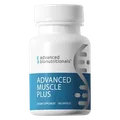
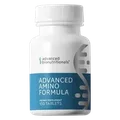
Taking Advanced Muscle Plus daily supplies your body with targeted amino precursors and metabolic co-factors designed to stimulate muscle protein synthesis and accelerate post-exercise recovery. To reinforce this support, incorporating Advanced Amino Formula provides a pre-digested matrix of all eight essential amino acids. With an absorption rate of 99% that enters the bloodstream within 23 minutes, this clean formula feeds your muscles directly without creating metabolic waste or digestive strain.
By challenging your muscles with resistance training, distributing your protein intake, and feeding your body highly bioavailable amino acids, you can protect your strength, boost your metabolism, and live a vibrant, active life.
How the Muscular And Cardiovascular System Responds
Muscle protein synthesis requires a sufficient supply of essential amino acids at the ribosomal level, particularly leucine, which directly activates the mTOR pathway. This anabolic signaling cascade triggers new muscle protein production in the hours following resistance training.
This mechanism explains why the biological factors discussed in this article are not merely lifestyle suggestions but represent the foundational drivers of long-term muscular health.
Scientific References & Validation
Full citations with PMID links, methodology notes & evidence ratings on puresupphub.com