When discussing peripheral neuropathy—the burning, tingling, and numbness in the hands and feet—the focus is almost entirely on the nerves themselves. However, nerves do not operate in a vacuum. They are living tissues that demand a massive, continuous supply of oxygen and nutrients to survive.
The Suffocation of the Nerves
When discussing peripheral neuropathy - the burning, tingling, and numbness in the hands and feet - the focus is almost entirely on the nerves themselves. However, nerves do not operate in a vacuum. They are living tissues that demand a massive, continuous supply of oxygen and nutrients to survive.
This supply relies entirely on your circulatory system. When circulation fails, the nerves are starved. Understanding the critical link between blood flow and nerve health is essential for stopping the progression of neuropathy.
The Vasa Nervorum: The Nerves' Lifeline
To understand this connection, you must look at the microscopic anatomy of the nervous system. The peripheral nerves running down your legs and into your toes are fed by an intricate network of microscopic blood vessels known as the vasa nervorum.
Because the nerves in your feet are the furthest away from your heart, the vasa nervorum at the extremities are the smallest and most fragile blood vessels in your entire body.
How Poor Circulation Triggers Nerve Death
Several systemic factors can damage these delicate microscopic vessels:
- High Blood Sugar: Excess glucose damages the endothelial cells lining the blood vessels, causing them to stiffen and narrow.
- High Blood Pressure: The sheer physical force of hypertension damages the fragile walls of the micro-capillaries.
- Plaque Buildup: High cholesterol can lead to micro-atherosclerosis, physically blocking blood flow to the extremities.
When the vasa nervorum are damaged, narrowed, or blocked, the nerve fibers they supply are plunged into a state of ischemia - a severe lack of oxygen and nutrients.
A nerve cannot repair its protective myelin sheath or generate the cellular energy required to transmit signals when it is suffocating. As the ischemia persists, the nerve endings begin to misfire (causing the burning and stabbing pain) and eventually die off completely (leading to permanent numbness and loss of balance).
Restoring the Flow
If you want to heal the nerves, you must restore their lifeline. Improving microcirculation to the extremities is non-negotiable for neuropathy relief.
#### 1. Movement and Exercise
Physical activity is the most potent natural vasodilator. Low-impact aerobic exercises like walking or cycling force the heart to pump harder, pushing oxygen-rich blood down into the legs and feet, actively expanding and opening the microscopic vessels that feed the nerves.
#### 2. Nitric Oxide Support
Nitric oxide is a molecule produced by your body that tells your blood vessels to relax and widen. Ensuring a diet rich in dietary nitrates (like beets and leafy greens) supports healthy nitric oxide levels and optimal vasodilation.
#### 3. Targeted Vascular and Neural Nutrition
Addressing severe neuropathy often requires a dual approach: nourishing the nerve and expanding the blood vessels. Botanical extracts that support endothelial function and natural vasodilators are critical tools.
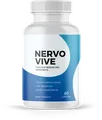
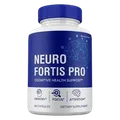
Formulations like NervoVive and NeuroFortis are built to address the systemic nature of nerve pain. By incorporating natural compounds that support healthy microcirculation and blood flow, alongside the essential B-vitamins required for nerve repair, these supplements help ensure that the starved peripheral nerves finally receive the oxygen, nutrients, and building blocks they desperately need to heal and function without pain.
Conclusion
You cannot separate the health of your nerves from the health of your blood vessels. By taking active steps to improve your circulation and utilizing targeted nutritional support to expand the vasa nervorum, you can end the suffocation of your peripheral nerves and find lasting relief from the debilitating symptoms of neuropathy.
Scientific References & Validation
Full citations with PMID links, methodology notes & evidence ratings on puresupphub.com