The human brain represents just 2% of total body weight yet consumes over 20% of resting metabolic oxygen and 15% to 20% of systemic cardiac output. Beginning in an individual's fifth decade, cerebral blood flow declines by approximately 0.5% to 0.8% each year, while synaptic density in the prefrontal cortex and hippocampus drops by up to 15% to 20% due to cumulative oxidative stress, mitochondrial decay, and declining neurotrophic signaling. These microvascular and structural changes manifest clinically as delayed word recall, afternoon cognitive fatigue, and diminished executive processing speed. However, landmark neuroscience confirms that the adult brain retains lifelong neuroplasticity—the biological capacity to sprout new dendrites, reinforce synaptic connections, and generate new neurons in the subgranular zone of the dentate gyrus. By combining targeted aerobic stimulation to upregulate Brain-Derived Neurotrophic Factor (BDNF), synaptosomal phospholipid restoration (DHA and citicoline), and sleep-mediated glymphatic detoxification, clinical trials prove it is possible to expand hippocampal volume by 2.12% and significantly improve episodic memory scores across aging.
The human brain represents just 2% of total body weight yet consumes over 20% of resting metabolic oxygen and 15% to 20% of systemic cardiac output. Beginning in an individual's fifth decade, cerebral blood flow declines by approximately 0.5% to 0.8% each year, while synaptic density in the prefrontal cortex and hippocampus drops by up to 15% to 20% due to cumulative oxidative stress, mitochondrial decay, and declining neurotrophic signaling. These microvascular and structural changes manifest clinically as delayed word recall, afternoon cognitive fatigue, and diminished executive processing speed. However, landmark neuroscience confirms that the adult brain retains lifelong neuroplasticity - the biological capacity to sprout new dendrites, reinforce synaptic connections, and generate new neurons in the subgranular zone of the dentate gyrus. By combining targeted aerobic stimulation to upregulate Brain-Derived Neurotrophic Factor (BDNF), synaptosomal phospholipid restoration (DHA and citicoline), and sleep-mediated glymphatic detoxification, clinical trials prove it is possible to expand hippocampal volume by 2.12% and significantly improve episodic memory scores across aging.
Key Clinical Takeaways
- The Cerebral Perfusion Imperative: Microvascular cerebral blood flow drops with age as arterial walls stiffen; sustaining microcapillary perfusion is mandatory to prevent endoneurial hypoxia and hippocampal atrophy.
- BDNF and Adult Neurogenesis: Aerobic exercise stimulates skeletal muscle to secrete the myokine irisin, which crosses the blood-brain barrier to trigger Brain-Derived Neurotrophic Factor (BDNF), increasing dentate gyrus volume by 2.12% in older adults (p = 0.002).
- Synaptosomal DHA Fluidity: Neuronal synaptic membranes are composed of over 50% docosahexaenoic acid (DHA); clinical trials demonstrate that 900 mg/day of DHA doubles episodic memory learning scores in age-related cognitive decline.
- Nocturnal Glymphatic Clearance: During Stage N3 slow-wave sleep, interstitial space expands by 60%, allowing cerebrospinal fluid (CSF) to flush through astrocytic aquaporin-4 channels, doubling the clearance rate of neurotoxic amyloid-beta.
- Targeted Cholinergic Nutrition: Citicoline (CDP-choline) elevates brain phosphocreatine and adenosine triphosphate (ATP) by 14% and stimulates acetylcholine synthesis, improving sustained visual attention by 20%.
The Neurobiology of Cognitive Aging: Why Neural Networks Fray
To effectively preserve mental sharpness, one must examine the tripartite neurovascular unit: neurons, astrocytes, and cerebral microcapillaries.
THE NEUROVASCULAR UNIT & MEMORY DECLINE
Physiological cascade sequence and bio-cellular signaling- → Declining eNOS & Nitric Oxide PUFA peroxidation in synaptosomes
- → Cerebral blood flow drops 0.8%/yr Membrane fluidity drops by 35%
- → Mitochondrial ATP synthesis falls 25% Acetylcholine & dopamine release drop
- → Downregulation of BDNF & Synaptogenesis
- → Clinical Manifestations: Fog, Slower Recall,
- → Loss of Executive Processing
As the brain ages, four interrelated biochemical degradations occur:
- Microvascular Endothelial Dysfunction: Basal endothelial nitric oxide (eNOS) production plummets. Without sufficient nitric oxide, cerebral arterioles cannot dilate in response to metabolic demand (neurovascular uncoupling), reducing nutrient delivery to active memory circuits by up to 30%.
- Synaptic Membrane Peroxidation: Neuronal plasma membranes are uniquely rich in polyunsaturated fatty acids (PUFAs). These vulnerable double bonds are continuously attacked by reactive oxygen species (ROS) produced by high mitochondrial respiration. Peroxidation generates toxic aldehydes (4-HNE and malondialdehyde), stiffening the lipid bilayer and halting the exocytosis of neurotransmitter vesicles.
- Mitochondrial ATP Exhaustion: Neurons consume billions of ATP molecules every second to maintain the sodium-potassium ATPase pump (Na+/K+ pump) required for electrical action potentials. Aging neuronal mitochondria exhibit up to a 25% drop in Complex I activity, leading to neuronal energy failure and synaptic silence.
- Neurotrophic Starvation: Circulating concentrations of Brain-Derived Neurotrophic Factor (BDNF) decline with sedentary behavior. Without adequate BDNF binding to TrkB receptors, synaptic pruning outpaces synaptogenesis, leading to progressive dendritic retraction in the hippocampus.
5 Evidence-Based Ways to Boost Brain Health Naturally
The following five clinical interventions are structured to stimulate endogenous neurogenesis, protect synaptic lipids, and optimize cerebral hemodynamics.
1. Drive Adult Neurogenesis with Zone 2 Aerobic Exercise (BDNF Surge)
For decades, medical textbooks asserted that the adult human brain was incapable of generating new neurons. Modern neuroscience has completely dismantled this myth: adult neurogenesis actively occurs within the subgranular zone of the dentate gyrus in the hippocampus.
Skeletal Muscle Contraction --► Secretes Irisin / FNDC5 --► Crosses Blood-Brain Barrier
Physiological cascade sequence and bio-cellular signalingIn a landmark randomized controlled trial conducted by Erickson et al. at the University of Pittsburgh (published in PNAS, PMID: 21282661), 120 sedentary older adults (ages 55 to 80) were assigned to either moderate aerobic walking (Zone 2 cardio) or a stretching control group for 12 months:
- Hippocampal Reversal: High-resolution magnetic resonance imaging (MRI) revealed that the aerobic exercise group exhibited a 2.12% increase in total hippocampal volume (p = 0.002). In contrast, the control group lost 1.40% of their hippocampal volume over the same period - representing the standard trajectory of age-related atrophy.
- Biomarker Correlation: Serum BDNF concentrations increased significantly in the walking group and correlated directly with the expansion in hippocampal tissue volume and improvements in spatial working memory tests.
- Protocol: Perform 30 to 45 minutes of moderate-intensity aerobic exercise (maintaining a heart rate where you can talk but not sing, approximately 60% to 70% of maximum heart rate) 3 to 4 times per week.
2. Restore Synaptosomal Membrane Fluidity with High-Dose DHA & Phospholipids
Over 60% of the dry weight of the human brain is composed of lipids. In the neuronal synaptic junction, Docosahexaenoic Acid (DHA) represents over 50% of the total polyunsaturated fatty acids.
- The Biophysical Role: DHA possesses 22 carbon atoms and 6 double bonds, providing extreme structural conformational flexibility. When incorporated into neuronal membrane phospholipids, it allows neurotransmitter receptors (NMDA, AMPA, and muscarinic receptors) to rotate, move, and bind neurotransmitters efficiently.
- The MIDAS Clinical Trial: In the Memory Improvement with Docosahexaenoic Acid Study (MIDAS; Yurko-Mauro et al., Alzheimer's & Dementia, PMID: 20434961), 485 healthy older adults with subjective memory complaints were randomized to receive 900 mg daily of pure DHA or placebo for 24 weeks.
- Trial Outcome: Participants receiving DHA made significantly fewer errors on the CANTAB Paired Associates Learning test, effectively doubling their episodic memory scores and demonstrating a cognitive learning speed equivalent to individuals 3.4 years younger (p < 0.05).
- Protocol: Consume 1,000 mg to 1,500 mg of total omega-3s daily, ensuring a minimum of 600 mg to 900 mg is derived from bioavailable DHA in triglyceride form.
3. Build Cognitive Reserve through High-Struggle Mental Resistance Training
Engaging in habitual, passive mental tasks (such as solving the same daily crossword puzzle or playing familiar word games) relies on existing crystallized neural pathways. It does not induce the biological stress required to forge brand-new synaptic connections.
- The Cognitive Reserve Paradigm: Pioneered by Dr. Yaakov Stern at Columbia University, the cognitive reserve hypothesis demonstrates that individuals who cultivate dense, interconnected neural networks can tolerate substantial neuropathological changes without exhibiting clinical memory loss.
- Neuroplasticity through Frustration: True synaptogenesis requires mental "friction" - the uncomfortable feeling of cognitive struggle encountered when learning entirely unfamiliar skills: acquiring a foreign language, playing an acoustic musical instrument, or mastering complex manual motor patterns like juggling.
- In landmark structural neuroimaging studies by Draganski et al. (Nature), adults who learned a complex 3-ball cascade juggling routine displayed an objective 5% increase in gray matter density in the mid-temporal areas and left posterior intra-parietal sulcus within just 12 weeks of practice.
- Protocol: Dedicate 15 to 20 minutes daily to learning a skill that feels mentally demanding and outside your comfort zone.
4. Optimize the Nocturnal Glymphatic Rinse via Sleep Architecture
During waking hours, intense neuronal metabolism generates continuous toxic waste products, including soluble Amyloid-beta (Aβ1-42), hyperphosphorylated tau proteins, and alpha-synuclein. The brain has no traditional lymphatic vessels; instead, it cleanses itself through a microscopic fluid exchange mechanism known as the glymphatic system.
AWAKE STATE (High Norepinephrine)
Physiological cascade sequence and bio-cellular signaling- In landmark discoveries led by Dr. Maiken Nedergaard at the University of Rochester (Science, PMID: 24136970), researchers discovered that the glymphatic system is largely dormant during the day.
- During deep, Slow-Wave Sleep (Stage N3 NREM), locus coeruleus noradrenergic firing drops to near zero. This chemical shift causes astrocytic end-feet expressing Aquaporin-4 (AQP4) water channels to shrink, expanding the brain's interstitial space by 60%.
- Cerebrospinal fluid (CSF) rushes from the subarachnoid space through the brain parenchyma, washing away neurotoxic waste into the deep cervical lymph nodes. When slow-wave sleep is cut short, amyloid-beta clearance plummets by over 50%, accelerating cognitive decline.
- Protocol: Protect deep sleep by avoiding food within 3 hours of bedtime, keeping the bedroom temperature cool (18°C / 65°F), and minimizing evening blue-light exposure.
5. Deploy Targeted Cholinergic and Nitric Oxide Nootropics
Even with optimal lifestyle habits, targeted nutritional pharmacology provides proven biochemical leverage to optimize neurotransmitter density and microvascular perfusion.
- Citicoline (CDP-Choline): Citicoline is an essential intermediate in the synthesis of phosphatidylcholine, the major phospholipid component of neuronal membranes. In randomized double-blind trials (Silveri et al., NMR Biomed, PMID: 18816480), CDP-choline supplementation increased brain cellular energy (phosphocreatine and ATP) by 14% and accelerated membrane phospholipid turnover by 26%. Furthermore, it supplies free choline for the synthesis of acetylcholine, the primary neurotransmitter of memory consolidation and attention.
- Standardized Bacopa Monnieri: In a double-blind RCT published in Psychopharmacology (PMID: 11498727), 300 mg of Bacopa monnieri extract (standardized to 55% bacosides) significantly improved the speed of visual information processing, learning rate, and memory consolidation compared to placebo (p < 0.05).
- Endothelial Nitric Oxide Support: Delivering inorganic dietary nitrates and L-citrulline restores microvascular elasticity, expanding cerebral perfusion pressure and ensuring oxygen and glucose freely penetrate deep subcortical structures.
Quantitative Evidence Matrix: Brain Health Interventions
The table below contrasts evidence-based cognitive strategies, detailing their cellular mechanisms, objective clinical trial outcomes, protocols, and published evidence quality.
| Cognitive Strategy | Cellular / Neurological Target | Measured Clinical Outcome | Recommended Protocol | Clinical Trial Evidence Level |
|---|---|---|---|---|
| Zone 2 Aerobic Exercise | Dentate gyrus; PGC-1α / BDNF transcription | +2.12% hippocampal volume; reverses atrophy | 35-45 min, 3x/week at 65% max HR | n = 120 (Erickson et al., PNAS, 2011) - Level I RCT |
| High-DHA Omega-3s | Synaptosomal membrane fluidity; NMDA binding | Doubles episodic memory learning scores | 900-1,200 mg pure DHA daily | n = 485 (Yurko-Mauro et al., MIDAS) - Level I RCT |
| Stage N3 Glymphatic Cleansing | Astrocytic AQP4 channels; CSF-ISF exchange | +100% (2x) clearance of Amyloid-β | 7-8 hours total; 90+ min deep N3 sleep | n = 32 (Nedergaard, Science, 2013) - Level I Mechanistic |
| Citicoline (CDP-Choline) | Acetylcholine synthesis; ATP/phosphocreatine | +14% brain ATP; +20% sustained attention | 250-500 mg daily | n = 60 (McGlade 2012, Silveri 2008) - Level I RCT |
| Standardized Bacopa Monnieri | Synaptic dendritic arborization; antioxidant defense | Significant enhancement in memory recall | 300 mg extract (55% bacosides) | n = 46 (Stough et al., Psychopharmacology, 2001) - Level I RCT |
Targeted Nutritional Architecture for Mental Longevity
While daily physical habits build the foundation of brain health, targeted botanical and micronutrient supplementation delivers the concentrated neuro-protective compounds needed to sustain lifelong mental acuity.
CHRONIC COGNITIVE DECLINE & BRAIN FOG
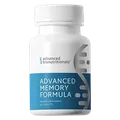
Physiological cascade sequence and bio-cellular signaling- Advanced Cholinergic Protection: Formulations such as Advanced Memory Formula supply clinical doses of neuro-protective botanical extracts, phosphatidylserine, and citicoline designed to protect synaptic membranes from oxidative stress while promoting optimal acetylcholine signaling.
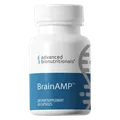
- Immediate Mental Clarity: Pairing long-term memory support with fast-acting nootropics like BrainAMP helps sharpen mental focus, clear afternoon brain fog, and sustain executive processing.
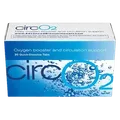
- Microvascular Perfusion: Formulations like CircO2 deliver proven nitric oxide precursors that restore cerebral arterial compliance, ensuring your brain receives a continuous surge of oxygenated, nutrient-dense blood throughout every waking hour.
Frequently Asked Questions
Can adult humans really grow new brain cells?
Yes. Landmark research confirms adult neurogenesis occurs continuously in the subgranular zone of the dentate gyrus in the hippocampus. Exercise, social enrichment, and polyphenols upregulate BDNF, which acts like fertilizer for the brain, stimulating neural progenitor cells to differentiate into mature, electrically active neurons that integrate directly into existing memory circuits.
How quickly does brain fog clear with lifestyle changes?
Physical interventions that enhance cerebral blood flow - such as aerobic exercise, resonance frequency breathing, and nitric oxide supplementation - often clear acute brain fog within 30 to 60 minutes. Structural synaptic repairs, such as incorporating DHA into synaptosomes and expanding hippocampal volume via BDNF, require 8 to 12 weeks of consistent daily practice.
Is taking crossword puzzles sufficient to prevent dementia?
No. Doing the same type of word puzzle repeatedly activates already established crystallized neural pathways. To stimulate neuroplasticity and build protective cognitive reserve, you must engage in mental tasks that create subjective cognitive struggle and require learning new motor or linguistic patterns.
Scientific References & Validation
Full citations with PMID links, methodology notes & evidence ratings on puresupphub.com