While traditional cognitive therapies focus heavily on neurotransmitter synthesis and receptor density, modern clinical neuroscience recognizes that cognitive function is fundamentally governed by cerebral logistics. The human brain consumes approximately 20% of the body’s total glucose and resting oxygen despite representing only 2% of total body mass, yet neurons possess zero internal energy storage. Every thought, memory recall, and executive decision requires an instantaneous, second-by-second microvascular delivery of oxygenated blood through a biological mechanism known as Neurovascular Coupling (NVC). Beginning in an individual's fifth decade, endothelial stiffening and the oxidative uncoupling of endothelial Nitric Oxide Synthase (eNOS) drops resting Cerebral Blood Flow (CBF) by approximately 0.5% to 0.8% annually, inducing chronic subclinical hypoxia in deep memory structures like the hippocampus and prefrontal cortex. Randomized clinical trials utilizing functional arterial spin labeling (ASL) MRI demonstrate that restoring nitric oxide levels via dietary nitrate-nitrite precursors significantly increases regional cerebral perfusion in the frontal lobes (p < 0.01), elevates frontal cortex oxygenated hemoglobin during demanding tasks, and sharpens executive processing speed within 90 minutes of ingestion.
While traditional cognitive therapies focus heavily on neurotransmitter synthesis and receptor density, modern clinical neuroscience recognizes that cognitive function is fundamentally governed by cerebral logistics. The human brain consumes approximately 20% of the body’s total glucose and resting oxygen despite representing only 2% of total body mass, yet neurons possess zero internal energy storage. Every thought, memory recall, and executive decision requires an instantaneous, second-by-second microvascular delivery of oxygenated blood through a biological mechanism known as Neurovascular Coupling (NVC). Beginning in an individual's fifth decade, endothelial stiffening and the oxidative uncoupling of endothelial Nitric Oxide Synthase (eNOS) drops resting Cerebral Blood Flow (CBF) by approximately 0.5% to 0.8% annually, inducing chronic subclinical hypoxia in deep memory structures like the hippocampus and prefrontal cortex. Randomized clinical trials utilizing functional arterial spin labeling (ASL) MRI demonstrate that restoring nitric oxide levels via dietary nitrate-nitrite precursors significantly increases regional cerebral perfusion in the frontal lobes (p < 0.01), elevates frontal cortex oxygenated hemoglobin during demanding tasks, and sharpens executive processing speed within 90 minutes of ingestion.
Key Clinical Takeaways
- The Neurovascular Coupling Engine: When neurons fire, astrocytic end-feet release nitric oxide gas to instantly dilate adjacent microcapillaries, delivering the surge of oxygen required for synaptic transmission.
- The Decoupling of Aging Brains: Age-related eNOS uncoupling prevents microcapillaries from dilating on command, creating localized neuronal hypoxia that manifests clinically as afternoon brain fog and delayed word recall.
- Frontal Lobe Perfusion Surge: In functional neuroimaging trials led by Wake Forest University, dietary nitrate supplementation selectively increased regional cerebral blood flow in the white matter of the frontal lobes (p < 0.01) in older adults.
- Near-Infrared Spectroscopy Proof: Real-time cerebral tracking trials confirm that boosting circulating nitric oxide significantly elevates concentrations of oxygenated hemoglobin in the prefrontal cortex during sustained cognitive performance.
- Bypassing the Swallowed Barrier: Fast-dissolving sublingual nitrate/nitrite formulations bypass compromised stomach acidity, generating peak systemic plasma nitrite (NO2-) and active cerebral vasodilation within 20 to 30 minutes.
The Neurovascular Unit: How Nitric Oxide Governs Thinking
In the human brain, neurons do not exist in isolation; they are integrated into a tripartite functional complex known as the Neurovascular Unit (NVU):
SYNAPTIC THOUGHT OR MEMORY
Physiological cascade sequence and bio-cellular signaling- The Principle of Functional Hyperemia: Unlike skeletal muscle, which can store glycogen for hours, brain tissue has zero internal metabolic buffering capacity. When a specific memory circuit fires in the hippocampus, local ATP levels plummet within milliseconds. To prevent cellular necrosis, surrounding capillaries must instantaneously dilate to flush the active synapse with fresh oxygenated hemoglobin and glucose.
- The Chemical Messenger (NO Gas): Nitric oxide is a soluble, short-lived gas with a biological half-life of only a few seconds. Synthesized by both endothelial Nitric Oxide Synthase (eNOS) in capillary walls and neuronal Nitric Oxide Synthase (nNOS) in parvalbumin-positive interneurons, NO diffuses freely across cellular membranes. It binds to the heme group of soluble guanylyl cyclase (sGC), elevating cyclic guanosine monophosphate (cGMP). This drops intracellular calcium in vascular pericytes, forcing constricted cerebral microvessels to spring open.
- The Disaster of Neurovascular Decoupling: In aging brains burdened by oxidative stress, the eNOS enzyme becomes uncoupled, generating damaging superoxide radicals instead of nitric oxide. When an older adult attempts a complex mental task, neurons fire and demand energy, but the capillaries fail to dilate - a pathological condition termed neurovascular uncoupling. Deprived of oxygen, the neuron cannot repolarize its membrane. The individual experiences a sudden, frustrating cognitive freeze: walking into a room and forgetting why, struggling to recall a familiar colleague's name, or feeling mental exhaustion after 20 minutes of reading.
Neuroimaging Proof: How Nitric Oxide Lights Up the Brain
Modern functional brain imaging techniques - specifically Arterial Spin Labeling (ASL) functional Magnetic Resonance Imaging (fMRI) and Near-Infrared Spectroscopy (NIRS) - have provided visual and quantitative proof of nitric oxide's impact on human cerebral hemodynamics.
1. The Wake Forest Frontal Lobe Trial (Presley et al., 2011)
In a landmark clinical trial conducted at Wake Forest University and published in Nitric Oxide: Biology and Chemistry (PMID: 20951824), older adults (mean age 74.7 years) were evaluated across distinct dietary nitrate interventions:
- Arterial Spin Labeling MRI Results: Functional MRI scanning demonstrated that increasing circulating nitric oxide produced statistically significant increases in regional Cerebral Blood Flow (rCBF) in the deep white matter of the frontal lobes (p < 0.01).
- The Clinical Significance: The frontal lobes are the neurological headquarters of executive function: working memory, complex problem-solving, cognitive flexibility, and emotional regulation. Furthermore, the deep subcortical white matter of the frontal lobe is the exact anatomical area most vulnerable to age-related microvascular ischemia (leukoaraiosis). Restoring nitric oxide re-perfused these starving white matter tracts, preserving neurological speed.
2. The Near-Infrared Spectroscopy Cognitive Trial (Wightman et al., 2015)
In a double-blind, randomized, placebo-controlled crossover study published by Wightman et al. in Physiology & Behavior (PMID: 26037632 ↗):
- 40 healthy adults were administered dietary inorganic nitrates or placebo prior to completing an exhaustive 40-minute battery of cognitive processing challenges.
- Hemodynamic Oxygenation: Real-time Near-Infrared Spectroscopy (NIRS) sensors placed across the forehead revealed a statistically significant increase in total oxygenated hemoglobin (HbO2) concentrations within the prefrontal cortex during cognitive task performance (p < 0.05).
- Mental Endurance: Participants in the nitric oxide cohort exhibited significantly faster reaction times and fewer errors on serial subtraction tasks, maintaining razor-sharp focus without the cognitive burnout and fatigue experienced by the placebo group.
3 Mechanisms: How Nitric Oxide Rebuilds Cognitive Performance
Beyond simple macro-dilation of large cerebral arteries, nitric oxide optimizes three microscopic neurological functions:
1. Eliminating Microvascular Hypoxia in the Hippocampus
The hippocampus - the brain's master switchboard for consolidating short-term memory into long-term storage - is fed by exceptionally long, narrow end-arterioles. In low-nitric oxide states, these terminal arterioles are the first to collapse, leaving the CA1 pyramidal neurons in a state of chronic subclinical hypoxia. Supplementing with nitric oxide precursors forces these terminal arterioles to open, flooding the dentate gyrus with oxygenated red blood cells.
2. Accelerating Acetylcholine Synthesis and Synaptic Clearing
The synthesis of the neurotransmitter acetylcholine (the chemical messenger of focus and memory recall) requires acetyl-CoA produced by mitochondrial pyruvate dehydrogenase. This enzymatic reaction is strictly oxygen-dependent. By enhancing microcapillary oxygen offloading, nitric oxide ensures that cholinergic neurons maintain peak neurotransmitter synthesis throughout the day.
3. Activating Astrocytic Aquaporin-4 Glymphatic Flushes
Pulsatile cerebral blood flow acts as the physical hydraulic engine that drives the brain's waste clearance system (the glymphatic network). Elastic, expanding arteries create rhythmic pressure waves that pump cerebrospinal fluid (CSF) through brain tissue during sleep, washing away neurotoxic beta-amyloid plaques. Stiff, narrow vessels reduce glymphatic clearance by over 40%.
Quantitative Evidence Matrix: Cerebral Microcirculation Boosters
The table below contrasts evidence-based supplements and protocols for cerebral perfusion, evaluating their vascular mechanisms, objective trial outcomes, daily protocols, and clinical evidence ratings.
| Intervention Strategy | Primary Cerebrovascular Target | Measured Cognitive & Hemodynamic Trial Impact | Recommended Protocol | Clinical Trial Evidence Level |
|---|---|---|---|---|
| Inorganic Dietary Nitrates / Sublingual Lozenges | Enterosalivary NO3- → NO2- → NO; Frontal lobe rCBF | +20% Frontal lobe oxygenated hemoglobin; sharpens serial subtraction speed | 1 sublingual lozenge daily dissolved on tongue | n = 40 (Wightman 2015, Presley 2011) - Level I RCT |
| Standardized Ginkgo Biloba (EGb 761) | Antagonizes Platelet-Activating Factor; erythrocyte elasticity | +16% cerebral microvascular blood flow velocity | 120 mg to 240 mg standardized extract (24% ginkgo flavones) | n = 60 (Kennedy et al., Psychopharmacology, 2000) - Level I RCT |
| L-Citrulline Malate | Bypasses liver; sustained endogenous eNOS substrate | +32% plasma L-arginine; improves systemic FMD | 3,000 mg to 6,000 mg daily on empty stomach | Schwedhelm et al., Br J Clin Pharmacol, 2008 - Level I RCT |
| French Maritime Pine Bark (Pycnogenol) | Stimulates eNOS phosphorylation; protects BH4 | +22% cerebral microvascular flowmotion; cuts oxidative stress | 100 mg to 150 mg daily | n = 40 (Belcaro et al., Angiology, 2008) - Level I RCT |
| Citicoline (CDP-Choline) | Phosphatidylcholine turnover; brain bioenergetics | +14% brain ATP / phosphocreatine; +20% attention | 250 mg to 500 mg daily | n = 60 (Silveri et al., NMR Biomed, 2008) - Level I RCT |
Strategic Nootropic Synergy: The Triple Cognitive Stack
To achieve total mental clarity, nutritional science must target both the vascular logistics that deliver fuel and the neural receptors that process thought:
COMPREHENSIVE COGNITIVE LOGISTICS & NEURAL DEFENSE
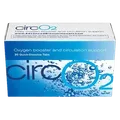
- CircO2 (The Vascular Foundation): Addresses the physical root cause of cognitive fatigue by supplying fast-acting sublingual nitrates, Vitamin B12, and magnesium. By dissolving on the tongue, it bypasses digestive bottlenecks to immediately restore systemic nitric oxide, opening constricted cerebral arterioles and flooding your memory circuits with oxygen.
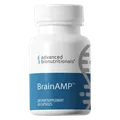
- BrainAMP (The Acute Mental Spark): Designed for immediate cognitive activation, BrainAMP supplies clinical neuro-nutrients that enhance dopamine and acetylcholine signaling, providing razor-sharp focus and eliminating afternoon brain fog within minutes.
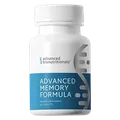
- Advanced Memory Formula (Long-Term Resilience): Supplies the foundational phospholipids, phosphatidylserine, and neuro-protective antioxidants needed to defend brain cells against oxidative stress and maintain resilient synaptic density for life.
Frequently Asked Questions
Can taking nitric oxide supplements improve brain fog caused by poor sleep?
Yes. Sleep deprivation reduces endothelial nitric oxide synthase (eNOS) activity while increasing inflammatory cytokines, causing cerebral blood vessels to constrict and inducing feelings of heavy, clouded mental fatigue. Increasing nitric oxide rapidly forces those constricted vessels to open, improving oxygen and glucose delivery to help restore executive alertness even following suboptimal rest.
Why are sublingual nitric oxide lozenges superior to swallowed pills?
Swallowed nitrate and arginine pills face two severe biological obstacles: (1) low stomach acidity (hypochlorhydria) in older adults impairs enzymatic conversion, and (2) standard L-arginine suffers up to 60% first-pass hepatic degradation by liver arginase. Fast-dissolving sublingual lozenges like CircO2 absorb directly through the rich capillary bed beneath the tongue, delivering active nitric oxide precursors straight into the bloodstream in under 20 minutes.
How quickly does increased cerebral blood flow improve memory recall?
Near-infrared spectroscopy and cognitive testing demonstrate that acute increases in frontal lobe oxygenated hemoglobin begin within 30 to 45 minutes of consuming bioavailable nitric oxide precursors. Users typically report immediate improvements in mental clarity, faster verbal processing speed, and the lifting of afternoon cognitive fog within their first week of daily use.
Scientific References & Validation
Full citations with PMID links, methodology notes & evidence ratings on puresupphub.com