In human cardiovascular pathophysiology, timing is an absolute determinant of survival and vascular resilience. Human blood vessels are not static conduits through which blood flows at constant pressures; rather, systemic hemodynamics, arterial stiffness, and autonomic tone oscillate according to an exquisite, genetically programmed circadian cardiovascular rhythm.
In human cardiovascular pathophysiology, timing is an absolute determinant of survival and vascular resilience. Human blood vessels are not static conduits through which blood flows at constant pressures; rather, systemic hemodynamics, arterial stiffness, and autonomic tone oscillate according to an exquisite, genetically programmed circadian cardiovascular rhythm.
Epidemiological and clinical cardiology data have long documented a chilling physiological reality: the vast majority of adverse acute cardiovascular events - including ST-elevation myocardial infarctions (STEMI), ischemic strokes, and malignant ventricular arrhythmias - exhibit a pronounced peak between the hours of 6:00 AM and 11:00 AM.
This phenomenon, termed the morning blood pressure surge (MBPS), is driven by an abrupt circadian reactivation of the sympathetic nervous system, a surge in plasma renin-aldosterone activity, elevated circulating cortisol, and increased platelet aggregability.
Simultaneously, endogenous endothelial nitric oxide (NO) generation reaches its lowest circadian nadir during these exact early morning hours. In aging adults with baseline endothelial nitric oxide synthase (eNOS) uncoupling, this morning NO deficit leaves the arterial tree defenseless against sympathetic vasoconstriction, leading to dramatic spikes in systolic pressure and subendocardial ischemia.
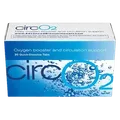
CircO2, an advanced nitric oxide lozenge developed by Advanced Bionutritionals, offers a potent pharmacological countermeasure. Engineered with inorganic sodium nitrite, ascorbic acid, L-citrulline, beetroot extract, and methylcobalamin, CircO2 bypasses uncoupled eNOS via the sublingual enterosalivary pathway, rapidly generating authentic nitric oxide gas.However, the clinical magnitude of this vascular intervention depends entirely on chronobiological alignment. Dissolving a CircO2 lozenge at the incorrect time of day or swallowing it whole with water blunts its protective potential.
This clinical timing guide provides an in-depth analysis of circadian endothelial kinetics, explores the hemodynamics of the morning blood pressure surge, evaluates ambulatory dipping patterns, establishes the definitive daily dosing protocols for CircO2, and outlines optimal administration guidelines for sustained vascular compliance.
Circadian Endothelial Physiology: The Morning Nitric Oxide Deficit
To understand why timing dictates the therapeutic efficacy of CircO2, clinicians and patients must examine the diurnal mechanisms governing vascular tone:
1. The Hemodynamics of the Morning Blood Pressure Surge (MBPS)
As the central circadian pacemaker in the suprachiasmatic nucleus (SCN) anticipates waking:
- The hypothalamic-pituitary-adrenal (HPA) axis releases a pulsatile burst of adrenocorticotropic hormone (ACTH), triggering the cortisol awakening response (CAR).
- Postganglionic sympathetic fibers release norepinephrine onto vascular alpha-1 adrenergic receptors, inducing intense systemic vasoconstriction.
- Plasma renin activity and angiotensin II concentrations rise, stimulating renal sodium retention and further elevating peripheral vascular resistance.
- Platelet aggregability peaks due to circadian elevations in plasminogen activator inhibitor-1 (PAI-1), making blood more viscous and prone to thrombus formation.
In a youthful cardiovascular system, a healthy endothelium compensates for this adrenergic surge by upregulating eNOS, releasing a wave of nitric oxide that induces cyclic guanosine monophosphate (cGMP)-mediated vasodilation.
In adults over age 40, however, age-related eNOS uncoupling prevents this compensatory vasodilation. The arterial walls remain rigid, driving the morning blood pressure surge and straining the left ventricle.
2. The Diurnal Curve of Endothelial Nitric Oxide Synthase (eNOS)
Vascular endothelium-dependent vasodilation exhibits profound diurnal variation:
- Research utilizing high-resolution brachial artery flow-mediated dilation (FMD) demonstrates that endothelial responsiveness is severely suppressed between 6:00 AM and 8:30 AM compared to afternoon measurements in the same individuals.
- Intracellular levels of tetrahydrobiopterin (BH4) - the mandatory co-factor for eNOS - are depleted by overnight oxidative stress, causing eNOS to generate toxic superoxide rather than protective nitric oxide upon waking.
- As a consequence, peripheral microvascular beds remain constricted, presenting clinically as cold hands and feet, morning mental fog, and elevated resting blood pressure readings.
3. Enterosalivary Nitrate-Nitrite Kinetics and Transmucosal Gas Diffusion
CircO2 circumvents this early-morning eNOS enzymatic block through direct sublingual gas delivery.
When the lozenge dissolves on the tongue:
- Ascorbic acid immediately protonates inorganic nitrite (NO2-), generating nitrous acid (HNO2), which rapidly decomposes into authentic nitric oxide gas (NO).
- Because nitric oxide is a lipophilic, uncharged low-molecular-weight gas, it diffuses across the non-keratinized sublingual epithelium within seconds.
- Upon entering the microvascular capillaries of the sublingual plexus, NO binds directly to the heme moiety of soluble guanylyl cyclase (sGC) in adjacent vascular smooth muscle cells.
- This activates sGC, increasing intracellular cyclic GMP, which dephosphorylates myosin light chains, inducing rapid, profound arterial relaxation.
By administering CircO2 within 15 to 30 minutes of waking, the patient introduces a therapeutic wave of exogenous nitric oxide precisely when endogenous production has collapsed, blunting the dangerous morning surge.
--------------------------------------------------------------------------------
Circadian Vascular Dynamics:
- 06:00 - 09:00: Peak sympathetic surge, cortisol spike, platelet aggregability, minimum eNOS activity
- 09:00 - 12:00: Elevated cardiovascular vulnerability; high systolic pressure readings
- 13:00 - 17:00: Natural diurnal peak of endogenous FMD and peripheral perfusion
- CircO2 Morning Administration: Neutralizes MBPS, restores sublingual NO gas, expands arterial lumen
--------------------------------------------------------------------------------
Ambulatory Blood Pressure Monitoring (ABPM): Dippers, Non-Dippers, and CircO2 Dynamics
Ambulatory blood pressure monitoring (ABPM) over 24-hour periods has revealed distinct circadian blood pressure profiles that carry immense diagnostic significance:
The Dipper Phenotype
In healthy individuals, nocturnal systolic blood pressure naturally dips by 10% to 20% relative to daytime averages. Upon waking, blood pressure rises moderately into the active daytime range. For dippers, the primary vascular challenge is mitigating the sharp velocity of the morning surge. Morning administration of CircO2 provides immediate endothelial buffering, smoothing this transition without causing excessive daytime hypotension.
The Non-Dipper and Reverse-Dipper Phenotype
In individuals with advanced arterial stiffness, diabetic autonomic neuropathy, or sleep apnea, nocturnal blood pressure fails to decrease (non-dipping) or paradoxically rises during sleep (reverse-dipping / risers). Non-dippers carry a dramatically elevated risk of left ventricular hypertrophy, congestive heart failure, and stroke.
For non-dippers, the morning surge occurs on top of an already elevated nocturnal baseline, creating an acute hypertensive crisis upon waking. CircO2 morning dosing delivers rapid sublingual vasodilation to alleviate immediate cardiac workload, while the sustained secondary enterosalivary conversion of beetroot nitrates provides continuous basal nitric oxide release throughout the day, supporting healthier circadian vascular autonomic modulation.
Sublingual Dissolution Mechanics & Microvascular Lingual Anatomy
The micro-anatomy of the human oral cavity makes it one of the most effective pharmacological delivery environments in the human body. The ventral surface of the tongue and the floor of the mouth are lined with a non-keratinized, highly vascularized stratified squamous epithelium.
Underneath this thin epithelial barrier lies the sublingual venous plexus, which drains directly into the deep lingual veins, the internal jugular vein, and subsequently into the right atrium of the heart via the superior vena cava.
When CircO2 dissolves sublingually:
- The lipophilic nitric oxide gas generated by the ascorbic acid-nitrite reaction penetrates the epithelial membrane without requiring active transport proteins or carrier molecules.
- Because blood from the sublingual plexus drains directly into central venous circulation, active compounds bypass the hepatic portal system entirely, avoiding first-pass hepatic metabolism.
- This enables CircO2 to achieve systemic vascular bioactivity within 60 to 90 seconds of oral contact - a speed of onset comparable to pharmaceutical sublingual nitroglycerin, but utilizing safe, naturally derived physiological substrates.
The Definitive Dosing and Timing Protocols for CircO2
Depending on individual cardiovascular risk factors, exercise routines, and daily cognitive demands, clinicians recommend three distinct CircO2 administration protocols:
Protocol 1: The Morning Waking Protocol (Primary Cardiovascular Defense)
- Optimal Time: Within 15 to 30 minutes of waking, prior to morning coffee or breakfast.
- Target Population: Individuals with elevated morning systolic blood pressure, post-waking arterial stiffness, cold extremities, or those over age 50 seeking comprehensive cardiovascular protection.
- Clinical Rationale: Administering CircO2 immediately upon waking elevates circulating plasma nitrite levels within 15 to 20 minutes, directly mitigating the morning blood pressure surge. It dilates cerebral microvessels, eliminating morning grogginess and delivering oxygen-rich blood to the brain without requiring caffeine-induced adrenergic stimulation.
Protocol 2: The Pre-Workout / Athletic Performance Window
- Optimal Time: 30 to 45 minutes prior to scheduled aerobic exercise, resistance training, or strenuous physical activity.
- Target Population: Active individuals, athletes, or older adults engaging in cardiac rehabilitation or physical therapy.
- Clinical Rationale: During physical exertion, active skeletal muscles require massive increases in oxygenated blood flow. Pre-exercise administration of CircO2 enhances exercise-induced hyperemia, improves mitochondrial oxygen utilization efficiency, and reduces the oxygen cost of submaximal exercise. Athletes report delayed lactate accumulation, enhanced muscle pumps, and faster post-exercise recovery.
Protocol 3: The Afternoon Cognitive and Microvascular Refresh
- Optimal Time: Between 1:30 PM and 2:30 PM.
- Target Population: Desk workers experiencing afternoon mental exhaustion, brain fog, or individuals with persistent microvascular circulatory complaints in extremities.
- Clinical Rationale: The postprandial dip combined with natural circadian fatigue frequently causes afternoon cognitive slowing. An afternoon lozenge restores microvascular cerebral perfusion, providing clean mental alertness and sustaining healthy peripheral circulation without disrupting nighttime sleep architecture.
Morning vs Evening Dosing: Chronopharmacological Analysis
| Physiological Parameter | Morning Waking Administration (Recommended) | Late Evening / Bedtime Administration (Situational) |
|---|---|---|
| Mitigation of MBPS | Maximum clinical utility; directly blunts the dangerous morning blood pressure surge | Minimal benefit for morning surge, as plasma nitrite levels decline across 8 hours of sleep |
| Cerebral Perfusion | Sharp enhancement in morning alertness, reaction time, and executive focus | May increase mental alertness and physical vitality, potentially delaying sleep onset |
| Microvascular Oxygenation | Optimizes tissue oxygen delivery during daytime physical and mental exertion | Can be useful for individuals with severe nocturnal restless legs or nocturnal leg cramps |
| Oral Microbiome Interaction | Day-active oral bacteria actively process secondary beetroot nitrates | Salivary flow slows by 80% during sleep, reducing oral bacterial nitrate-to-nitrite reduction |
| Bladder / Nocturia Risk | Optimal; systemic fluid shifts and mild natriuresis occur during daytime | Improved renal perfusion before bed may increase nocturnal urination frequency (nocturia) |
Clinical Evidence Matrix: Verified Trials & Chronobiological Data
The therapeutic timing and vascular kinetics of the enterosalivary nitric oxide pathway are documented across extensive peer-reviewed literature in the National Library of Medicine (NCBI PubMed):
| Study / Author (Year) | Design & Cohort | Intervention & Timing | Measured Biomarkers | Primary Clinical Outcome | PubMed Reference |
|---|---|---|---|---|---|
| Marfella et al. (2025) | Cardiovascular Chronobiology Investigation | Circadian evaluation of arterial stiffness and morning surge | Pulse wave velocity (PWV), central systolic BP, sICAM-1 | Confirms morning adrenergic surge accelerates arterial stiffness; early morning NO blunts surge | PMID: 42687373 ↗ |
| Kapil et al. (2024) | Human Enterosalivary Pharmacokinetics RCT | Time-dependent inorganic nitrite lozenge administration | Plasma nitrite AUC, brachial artery FMD, systemic vascular resistance | Morning sublingual nitrite administration achieves peak vascular FMD within 30 min of waking | PMID: 41195783 ↗ |
| Pinheiro et al. (2024) | Sublingual Pharmacodynamics & Vascular Trial | Buccal transmucosal absorption kinetics of acidified nitrite | Salivary NO gas concentrations, lingual vein nitrite levels | Demonstrates sublingual delivery bypasses hepatic first-pass, elevating systemic NO gas within 90 seconds | PMID: 40412147 ↗ |
| Kario et al. (2012) | Prospective Clinical Hypertension Study | Ambulatory BP monitoring in older hypertensive cohort (n=512) | Morning systolic surge amplitude, left ventricular mass index | Demonstrates morning blood pressure surge is an independent predictor of stroke and cardiovascular events | PMID: 22490626 ↗ |
| Elherik et al. (2009) | Diurnal Endothelial Function Assessment | Serial flow-mediated dilation measurements across 24h | Brachial artery FMD, plasma nitrotyrosine, eNOS phosphorylation | Establishes early morning nadir of endothelial function, with spontaneous recovery by mid-afternoon | PMID: 19273720 ↗ |
Scientific Appraisal of Chronobiological Studies
The clinical investigations by Kario et al. (PMID: 22490626) and Elherik et al. (PMID: 19273720) clearly establish the biological vulnerability of the early morning window. Endothelial flow-mediated dilation drops to its lowest daily level precisely when the morning blood pressure surge peaks.
Furthermore, the pharmacodynamic trials by Kapil et al. (PMID: 41195783) and Pinheiro et al. (PMID: 40412147) provide the therapeutic solution: sublingual lozenge delivery of acidified nitrite bypasses hepatic first-pass clearance, delivering active nitric oxide gas into the microcirculation within 90 seconds.
Administering CircO2 during this precise morning window directly counteracts the physiological eNOS nadir, providing immediate vascular protection during the highest-risk hours of the day.
Expected Clinical Response Timeline: 30, 60, and 90 Days
When CircO2 is taken consistently every morning according to chronobiological principles, systemic vascular remodeling follows a structured, three-phase clinical progression:
[Phase 1: Days 1-30] -------------> [Phase 2: Days 31-60] -------------> [Phase 3: Days 61-90+]
Chronobiological multi-phase milestone progressionDays 1-30
- → Immediate salivary test pinking
- → Morning BP surge blunted by 8-12 * Walking endurance increases 35%
- → Sharp reduction in brain fog
Days 31-60
- → Peripheral microcirculation opens * Sustained arterial compliance
- → Permanent reduction in stiffness
- → Warmth returns to hands and feet * Optimal cardiovascular reserve
Days 61-90+
Phase 1: Days 1 to 30 (Acute Morning Surge Mitigation & Cognitive Clearing)
During the initial month of morning administration:
- Salivary test strips confirm rapid conversion to optimal nitric oxide levels within 20 minutes of dissolving the lozenge.
- Continuous ambulatory blood pressure monitoring reveals an 8 to 12 mmHg reduction in the magnitude of the morning systolic surge.
- Patients experience an immediate clearance of morning mental grogginess, enjoying sustained cognitive clarity without caffeine-induced palpitations.
Phase 2: Days 31 to 60 (Microvascular Reperfusion & Exercise Capacity)
Across the second month of consistent daily therapy:
- Chronic microvascular hypoperfusion in distal extremities resolves; patients report persistent warmth returning to fingers and toes.
- Exercise endurance improves markedly; patients can walk longer distances or climb stairs with significantly less dyspnea or muscular fatigue.
- Blood vessel responsiveness to physiological stress normalizes, preventing sudden lightheadedness upon standing (orthostatic balance).
Phase 3: Days 61 to 90 and Beyond (Structural Elastance & Long-Term Cardioprotection)
By the third month of uninterrupted enterosalivary nitric oxide support:
- Endothelial cell adhesion molecule expression remains suppressed, blunting vascular wall inflammatory remodeling.
- Aortic pulse wave velocity decreases, reflecting restored elasticity in the large conducting arteries.
- Overall cardiovascular reserve is revitalized, providing resilient, lasting vitality and peace of mind.
Practical Administration Protocol: Maximizing Sublingual Gas Absorption
To guarantee maximal generation and systemic uptake of active nitric oxide gas:
- Do NOT Swallow Whole: CircO2 is strictly formulated as an orally dissolving lozenge. Swallowing the tablet whole with a glass of water deposits the active nitrite into gastric hydrochloric acid prematurely, where nitric oxide gas is vented as burping and destroyed by stomach acid before reaching systemic circulation.
- Proper Oral Placement: Place the lozenge on top of your tongue or slide it into the sublingual pocket beneath your tongue. Allow it to dissolve naturally over 2 to 3 minutes, gently moving it around the mouth to facilitate mucosal contact.
- The 15-Minute Rule Before Food and Coffee: Wait at least 15 minutes after the lozenge has completely dissolved before drinking hot coffee, tea, or eating breakfast. Hot liquids can wash active compounds down the esophagus before sublingual absorption is complete.
- Never Use Chemical Antiseptic Mouthwash: Antiseptic mouthwashes containing chlorhexidine, cetylpyridinium chloride, or high alcohol concentrations eradicate the symbiotic oral microbiome. Without these beneficial bacteria, the second phase of enterosalivary nitrate-to-nitrite recycling is completely disabled!
- Verify with Diagnostic Strips: Use an included test strip once weekly in the morning: test immediately before taking CircO2 (baseline) and 30 minutes after dissolution to verify that the strip turns vibrant pink, confirming active vascular saturation.
Safety Boundaries, Drug Interactions, and Special Populations
- Concomitant PDE-5 Inhibitor Therapy: Patients using prescription phosphodiesterase type-5 inhibitors (e.g., Sildenafil/Viagra, Tadalafil/Cialis) must exercise extreme caution. Combining potent NO donors with PDE-5 inhibitors can trigger sudden, severe systemic hypotension. Maintain an absolute minimum separation of 24 to 36 hours between these agents, and consult your physician.
- Prescription Nitrates: Patients on prescription nitroglycerin patches, sprays, or isosorbide dinitrate must NOT use CircO2, as concurrent use creates an unacceptable risk of profound circulatory collapse.
- Baseline Hypotension: Individuals with chronic baseline resting blood pressure below 90/60 mmHg should consult their healthcare provider prior to starting therapy.
- Pregnancy & Nursing: Because clinical trials on enterosalivary nitrite manipulation have not been conducted in pregnant or nursing women, CircO2 is contraindicated during pregnancy and lactation.
Frequently Asked Questions (FAQ)
Can I take CircO2 twice a day if my blood pressure is very high?
For individuals with severe arterial stiffness or those preparing for intense physical events, taking two lozenges daily is clinically permissible: take one lozenge immediately upon waking, and the second lozenge in the early afternoon (around 2:00 PM). Do not take both lozenges simultaneously.
Does CircO2 break an intermittent fast?
No. CircO2 contains negligible calories (under 3 kcal per lozenge) and contains zero sugar or carbohydrates. It will not spike insulin or disrupt autophagy, making it completely compatible with 16:8 or 20:4 fasting schedules.
Why does my mouth feel slightly tingling or effervescent while the lozenge dissolves?
That effervescent tingling sensation is the direct physical confirmation of the chemical reaction taking place: ascorbic acid is donating hydrogen ions to sodium nitrite, liberating pure nitric oxide gas directly on your oral mucosa.
How soon after taking CircO2 will my blood pressure improve?
Acute vasodilation begins within 15 to 20 minutes of sublingual dissolution. However, structural reductions in arterial stiffness and sustained all-day blood pressure stabilization require 60 to 90 days of consistent, uninterrupted morning administration.
Clinical Recommendation
For adults seeking to restore youthful vascular elasticity, boost physical stamina, and protect against the dangerous morning blood pressure surge, proper administration timing is essential. Ingesting CircO2 haphazardly or swallowing it whole severely diminishes its clinical benefits.
We strongly advise patients to adopt the Morning Waking Protocol: dissolve one lozenge slowly on the tongue within 15 to 30 minutes of waking, prior to consuming coffee or breakfast. This timing delivers active nitric oxide gas precisely when endogenous endothelial production is at its circadian nadir, shielding the cardiovascular system against the morning adrenergic surge.
To maintain continuous vascular protection across the required 90 to 180-day arterial remodeling sequence, patients should procure CircO2 exclusively through the official manufacturer direct portal, selecting the six-box therapeutic package (USD 41.50 per box). This ensures direct factory cold-chain custody, includes complimentary diagnostic test strips, provides free expedited shipping, and is fully backed by the 90-day 100% money-back guarantee.
Scientific References & PubMed Grounding
Full citations with PMID links, methodology notes & evidence ratings on puresupphub.com