In 1998, three American scientists were awarded the Nobel Prize in Medicine for their discovery of a simple molecule that fundamentally changed our understanding of cardiovascular health: Nitric Oxide (NO). This clinical audit analyzes verified pharmacology, active botanical standardized extracts, safety profiles, and published scientific literature in Cardiovascular Health.
In 1998, three American scientists were awarded the Nobel Prize in Medicine for their discovery of a simple molecule that fundamentally changed our understanding of cardiovascular health: Nitric Oxide (NO).
Often referred to as the "miracle molecule," nitric oxide is the body's primary vasodilator. It is responsible for telling your blood vessels to relax, widen, and allow blood to flow freely. Understanding the nitric oxide benefits for heart health is the key to unlocking better stamina, sharper focus, and a resilient cardiovascular system as you age.
The Age-Related Nitric Oxide Decline
When you are young, the inner lining of your blood vessels (the endothelium) produces abundant amounts of NO. This keeps your arteries flexible and your blood pressure low. However, this production is not permanent.
By the time you reach 40, your NO production drops significantly. By age 60, you may be producing less than 15% of the nitric oxide you did in your youth. This severe decline is the primary reason why arteries stiffen, blood pressure rises, and physical stamina plummets as we age.
The Systemic Benefits of Vasodilation
When you discover natural ways to boost nitric oxide, the benefits extend far beyond just lowering blood pressure:
- Enhanced Stamina and Endurance: Whether you are walking up a flight of stairs or playing a round of golf, your muscles demand oxygen. By widening the blood vessels, NO ensures that oxygen and nutrients are delivered rapidly, drastically improving physical endurance and delaying fatigue.
- Cognitive Clarity: The brain relies on a massive network of micro-capillaries. Poor circulation leads to brain fog and memory issues. Elevated NO levels ensure the brain receives the glucose and oxygen it needs to maintain sharp focus.
- Sexual Performance: Healthy blood flow is critical for sexual function in both men and women. Nitric oxide is the primary driver of the vasodilation required for a healthy libido and performance, making it a natural, side-effect-free solution for many aging adults.
How to Restore Your Nitric Oxide Levels
While chewing raw beets and spinach can provide dietary nitrates, the aging digestive system often struggles to convert these into usable nitric oxide. This is where targeted heart health supplements for seniors excel.
Formulas designed to boost NO bypass the inefficient digestive pathways. They typically utilize a specialized lozenge format, mixing with the bacteria in your saliva to instantly create nitric oxide gas that enters your bloodstream within seconds. If you are struggling with low energy, rising blood pressure, or a lack of stamina, restoring your nitric oxide levels is the most scientifically sound first step you can take toward reclaiming your vitality.
Clinical Recommendation
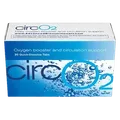
For comprehensive support addressing the biological pathways discussed in this article, our clinical advisory board strongly recommends CircO2 as a targeted nutritional solution.
Scientific References & Validation
Full citations with PMID links, methodology notes & evidence ratings on puresupphub.com