Your cardiovascular system is the highway that delivers life-sustaining oxygen and nutrients to every single cell in your body. When this highway becomes congested or restricted, the effects are felt system-wide. Cold hands and feet, chronic fatigue, brain fog, and elevated blood pressure are not just isolated annoyances—they are loud warning signs of poor blood circulation.
Your cardiovascular system is the highway that delivers life-sustaining oxygen and nutrients to every single cell in your body. When this highway becomes congested or restricted, the effects are felt system-wide. Cold hands and feet, chronic fatigue, brain fog, and elevated blood pressure are not just isolated annoyances - they are loud warning signs of poor blood circulation.
Understanding how to improve blood circulation is not just about keeping your extremities warm; it is about preserving your cognitive function, maintaining your energy levels, and protecting your heart as you age.
The Consequences of Poor Oxygen Delivery
Oxygen is the primary fuel required by your cells to create energy (ATP). When blood flow is restricted, oxygen delivery plummets. This is why poor circulation is one of the most common, yet overlooked, causes of chronic fatigue.
Furthermore, when your arteries are stiff and narrow, your heart has to pump much harder to push blood through the system, leading to elevated blood pressure. Over time, this constant strain damages the arterial walls, creating a vicious cycle of cardiovascular stress.
3 Natural Ways to Boost Circulation
If you are looking for fatigue and low energy remedies, the solution lies in widening your blood vessels (vasodilation) and increasing oxygen capacity.
1. Optimize Your Hydration and Electrolytes
Blood is roughly 50% water. When you are chronically dehydrated, your blood becomes thicker and more viscous, making it much harder for your heart to pump it through the microscopic capillaries in your brain and extremities. Ensure you are drinking adequate water paired with natural electrolytes (like sea salt or potassium-rich foods) to maintain optimal blood volume and viscosity.
2. Engage in Zone 2 Cardio
You do not need to run marathons to improve circulation. "Zone 2" cardio - such as brisk walking, light cycling, or swimming where you can still hold a conversation - is incredibly effective at building new capillary networks. This increases the total surface area available for oxygen exchange, naturally lowering blood pressure over time.
3. Elevate Your Nitric Oxide Levels
Nitric oxide (NO) is a miracle molecule produced by the inner lining of your blood vessels (the endothelium). It tells your arteries to relax and expand, instantly improving blood flow and lowering pressure. Unfortunately, by the time you reach age 50, your body's natural production of nitric oxide drops by over 50%.
Eating nitrate-rich foods like beets and leafy greens can help, but for many older adults, digestion and conversion are inefficient. This is why supplements for better circulation that specifically target nitric oxide production are highly recommended by functional medicine doctors. By naturally increasing NO levels, you can rapidly increase oxygen delivery, restore your energy, and support healthy blood pressure without relying entirely on synthetic medications.
Clinical Recommendation
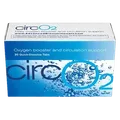
For comprehensive support addressing the biological pathways discussed in this article, our clinical advisory board strongly recommends CircO2 as a targeted nutritional solution.
Scientific References & Validation
Full citations with PMID links, methodology notes & evidence ratings on puresupphub.com