For decades, artificial sweeteners—such as sucralose, aspartame, and saccharin—have been marketed as the ultimate metabolic hack: a way to satisfy a sweet tooth without the caloric penalty or the insulin spike of sugar. This clinical audit analyzes verified pharmacology, active botanical standardized extracts, safety profiles, and published scientific literature in General Wellness.
The Zero-Calorie Deception
For decades, artificial sweeteners - such as sucralose, aspartame, and saccharin - have been marketed as the ultimate metabolic hack: a way to satisfy a sweet tooth without the caloric penalty or the insulin spike of sugar.
However, modern microbiome research has shattered this paradigm. While these chemicals may pass through the upper digestive tract without contributing calories, they do not pass through the body inertly. When they reach the large intestine, they act as potent, toxic disruptors to the gut microbiome.
The Microbiome Shift: Inducing Dysbiosis
Clinical studies have unequivocally demonstrated that the consumption of artificial sweeteners rapidly and profoundly alters the composition and function of the gut microbiome.
- Eradication of Beneficial Flora: Sweeteners like sucralose have been shown to significantly reduce the populations of beneficial, health-promoting bacteria, particularly Bifidobacteria and Lactobacilli. These are the exact bacteria responsible for maintaining the intestinal barrier and modulating the immune system.
- Promotion of Pathogens: As the beneficial bacteria die off, opportunistic, pro-inflammatory pathogens (often within the Bacteroides and Clostridiales groups) rapidly expand to fill the ecological void.
The Metabolic Paradox: Sweeteners and Insulin Resistance
The most alarming clinical consequence of this sweetener-induced dysbiosis is its effect on metabolic health. The irony is that the very compounds used to prevent weight gain and diabetes actively promote them.
The altered, dysbiotic microbiome begins to extract more energy from the diet and drastically alters how the host metabolizes glucose. In landmark studies, introducing artificial sweeteners into a healthy gut caused severe glucose intolerance and insulin resistance within a matter of weeks, driven entirely by the shift in bacterial populations and the resulting systemic inflammation (endotoxemia) leaking from the damaged gut.
Clinical Takeaway
There is no "free lunch" when it comes to synthetic chemicals in the human digestive tract. Artificial sweeteners are not a diet aid; they are microbiome disruptors that fuel metabolic syndrome from the inside out.
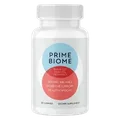
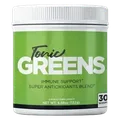
Restoring metabolic health requires eliminating these synthetic toxins and actively repairing the ecological damage they have caused. PrimeBiome delivers highly concentrated, clinically studied probiotic strains to crowd out the pathogenic overgrowth and restore the populations of Bifidobacteria destroyed by artificial sweeteners. To ensure these new probiotics thrive, TonicGreens provides the dense, natural phytonutrients and prebiotic fibers required to nourish the healthy flora and reset the metabolic signaling of the gut.
Why This Biological Process Matters
The gut houses 70% of the immune system and directly influences systemic inflammation through the gut-immune axis. Dysbiosis - an imbalance of pathogenic vs. beneficial bacteria - is linked to a broad range of conditions from metabolic syndrome to cognitive decline.
Understanding this biological process helps explain why targeted daily support - not just isolated dietary improvements - is necessary for consistent results.
How the Digestive And Immune System Responds
Beneficial gut bacteria produce short-chain fatty acids (SCFAs) including butyrate, which nourishes colonocytes, strengthens the intestinal barrier, and signals anti-inflammatory pathways systemically. Low SCFA production is a key driver of increased intestinal permeability.
This mechanism explains why the biological factors discussed in this article are not merely lifestyle suggestions but represent the foundational drivers of long-term digestive health.
Scientific References & Validation
Full citations with PMID links, methodology notes & evidence ratings on puresupphub.com