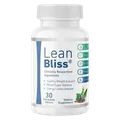
It is a startling biological fact that approximately 70% to 80% of your immune system resides in your gut. Specifically, it is housed in a network of tissue known as the Gut-Associated Lymphoid Tissue (GALT). If you are constantly battling fatigue, brain fog, or frequent colds, the root cause may not be a weak immune system, but a compromised digestive tract.
It is a startling biological fact that approximately 70% to 80% of your immune system resides in your gut. Specifically, it is housed in a network of tissue known as the Gut-Associated Lymphoid Tissue (GALT). If you are constantly battling fatigue, brain fog, or frequent colds, the root cause may not be a weak immune system, but a compromised digestive tract.
Your digestive system is the primary border between the outside world and your internal environment. Every time you eat, you introduce foreign compounds into your body, and your gut must decide what to absorb and what to destroy.
The Microbiome: Your First Line of Defense
The lining of your intestines is coated with trillions of bacteria, fungi, and viruses - collectively known as the gut microbiome. A healthy, diverse microbiome acts as an intelligent shield.
Beneficial bacteria compete with harmful pathogens for space and nutrients, effectively crowding them out. Furthermore, these beneficial microbes produce short-chain fatty acids (like butyrate) that nourish the cells lining the colon and reduce systemic inflammation.
The Danger of "Leaky Gut" (Intestinal Permeability)
The intestinal wall is surprisingly thin - just one cell thick in many places. The cells are held together by "tight junctions." When the microbiome is disrupted by a diet high in processed sugars, chronic stress, or antibiotic overuse, these tight junctions can loosen.
This condition is known as increased intestinal permeability, or "leaky gut." When the gut leaks, undigested food particles, toxins, and bacteria escape the digestive tract and enter the bloodstream.
Your immune system identifies these rogue particles as dangerous invaders and launches a massive inflammatory attack. Over time, this chronic, low-grade inflammation exhausts the immune system, leaving you vulnerable to actual infections and contributing to autoimmune conditions.
Rebuilding the Barrier
Fixing your immune system starts with sealing and healing the gut.
1. Remove IrritantsIdentify and remove foods that trigger inflammation. For many, this includes refined carbohydrates, seed oils, and artificial sweeteners that actively disrupt the microbiome.
2. Feed the Good FloraProbiotics introduce beneficial bacteria, but they need food to survive. Prebiotics - indigestible fibers found in foods like garlic, onions, and asparagus - are the primary fuel source for your microbiome.
3. Targeted Digestive SupportIf your gut is severely compromised, digesting food properly can be difficult. Digestive enzymes can help break down macronutrients efficiently, reducing the burden on your GI tract. Additionally, specialized botanical formulas can help soothe the intestinal lining, support mucosal integrity, and encourage the growth of beneficial bacteria strains.
By prioritizing your digestive health, you are not just preventing bloating or discomfort - you are fortifying your body's most critical defense system.
Why Digestive And Immune System Needs Daily Support
The gut houses 70% of the immune system and directly influences systemic inflammation through the gut-immune axis. Dysbiosis - an imbalance of pathogenic vs. beneficial bacteria - is linked to a broad range of conditions from metabolic syndrome to cognitive decline.
Understanding this biological process helps explain why targeted daily support - not just isolated dietary improvements - is necessary for consistent results.
How Gut Microbiome Balance Works
Beneficial gut bacteria produce short-chain fatty acids (SCFAs) including butyrate, which nourishes colonocytes, strengthens the intestinal barrier, and signals anti-inflammatory pathways systemically. Low SCFA production is a key driver of increased intestinal permeability.
This mechanism explains why the biological factors discussed in this article are not merely lifestyle suggestions but represent the foundational drivers of long-term digestive health.
Scientific References & Validation
Full citations with PMID links, methodology notes & evidence ratings on puresupphub.com