Nails that are thin, peeling, or prone to chipping are a common frustration. While many people attribute brittle nails to external factors—like washing dishes without gloves or using harsh acetone polish removers—the structural integrity of your nails is almost entirely determined from the inside out.
The Structural Foundation of Your Nails
Nails that are thin, peeling, or prone to chipping are a common frustration. While many people attribute brittle nails to external factors - like washing dishes without gloves or using harsh acetone polish removers - the structural integrity of your nails is almost entirely determined from the inside out.
Your nails are not just dead cells; they are complex biological structures built from specific proteins. When these proteins are deficient, the nail matrix simply cannot construct a strong, resilient nail plate.
Keratin and Collagen: The Building Blocks
The hard surface of your nail is composed primarily of a tough, fibrous protein called keratin. Keratin gives the nail its rigidity and acts as a protective shield.
However, beneath the hard nail plate is the nail bed, and at the base of the nail is the nail matrix (where new nail cells are generated). The dermal tissue that supports the nail bed and houses the nail matrix is built heavily upon collagen.
Collagen provides the vascular infrastructure that delivers oxygen, nutrients, and the building blocks of keratin to the nail matrix. When collagen production declines in the body - which naturally happens as we age, or due to dietary deficiencies and oxidative stress - the blood flow and nutrient delivery to the nail matrix is compromised.
The Consequences of a Weak Infrastructure
When the nail matrix is starved of nutrients due to a weak collagen infrastructure, the new nail cells it produces are malformed and weak.
The layers of keratin do not bind tightly together. This poor cellular adhesion is what causes the nail to split horizontally (peeling) or snap easily under minor pressure (brittleness). Furthermore, poor blood flow to the nail bed can result in slow nail growth and vertical ridges.
Rebuilding the Foundation
Applying topical nail hardeners can act like a temporary band-aid, "gluing" the weak keratin layers together, but it does not fix the biological factory that is producing weak nails. To grow naturally strong nails, you must optimize the nutrition reaching the nail matrix.
#### 1. Dietary Protein and Biotin
Ensuring adequate protein intake provides the amino acids necessary for keratin synthesis. Biotin (Vitamin B7) is also highly effective at improving the ultra-structure of the keratin matrix, making the nail plate thicker and less prone to splitting.
#### 2. Advanced Collagen and Structural Support
To truly repair the underlying infrastructure, targeted nutritional support is highly beneficial. Providing the body with highly bioavailable antioxidants, collagen-supporting vitamins (like Vitamin C), and essential trace minerals helps rebuild the dermal layer beneath the nail bed.
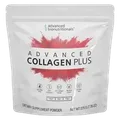
Formulations like Advanced Collagen Plus are designed to support this deep structural health. By flooding the body with the exact nutrients required to support robust collagen production and cellular regeneration, these supplements help ensure that the nail matrix has the raw materials it needs to produce thick, strong, and highly resilient nails from the inside out.
Conclusion
Brittle nails are a structural issue, not just a cosmetic one. By supporting your body's internal collagen infrastructure and providing the necessary building blocks for keratin synthesis, you can stop relying on temporary hardening polishes and grow naturally strong, healthy nails.
Scientific References & Validation
Full citations with PMID links, methodology notes & evidence ratings on puresupphub.com