When people experience joint pain, they often focus entirely on the bones. But the true unsung heroes of your mobility are the soft tissues: the cartilage, tendons, and ligaments. And the primary structural component of all these tissues is a protein called collagen.
The Glue That Holds You Together
When people experience joint pain, they often focus entirely on the bones. But the true unsung heroes of your mobility are the soft tissues: the cartilage, tendons, and ligaments. And the primary structural component of all these tissues is a protein called collagen.
Collagen is often referred to as the "glue" that holds the body together. It provides tensile strength to your tendons, elasticity to your ligaments, and forms the physical scaffolding of your articular cartilage. Understanding how collagen works is the key to rebuilding joint flexibility.
The Collagen Crisis
Your body naturally produces collagen, but starting in your mid-20s, this production begins to decline by about 1% to 1.5% every year. By the time you reach 50, your body is producing significantly less collagen than it needs to repair the daily wear and tear on your joints.
When the collagen matrix within your cartilage weakens, the cartilage becomes less resilient. It loses its ability to absorb shock effectively. Tendons become stiffer and more prone to injury, and ligaments lose the elasticity required to support a full range of motion.
Type II Collagen: The Joint Specific Protein
There are many types of collagen in the body, but Type II collagen is the specific form that makes up the majority of the protein in your joint cartilage.
When your immune system detects that cartilage is breaking down, it sometimes misidentifies the exposed Type II collagen fibers as foreign invaders. This triggers an autoimmune inflammatory response, causing the body to attack its own joints, leading to increased pain, swelling, and further loss of flexibility.
How to Support Collagen Restoration
Restoring joint flexibility requires a dual approach: stopping the breakdown of existing collagen and providing the body with the raw materials to rebuild it.
#### 1. Nutrition and Vitamin C
Your body cannot synthesize collagen without sufficient Vitamin C. Ensuring a diet rich in citrus, bell peppers, and leafy greens provides the essential cofactor required to link amino acids together to form strong collagen fibers.
#### 2. Advanced Supplementation
To actively support the restoration of joint tissues, many individuals turn to specialized supplementation. Providing the body with highly bioavailable joint nutrients can help calm the inflammatory response and support the structural integrity of the cartilage.
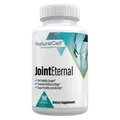
Products like JointEternal are formulated to support the entire joint ecosystem. By delivering potent botanical extracts and nutrients that target inflammation and support the structural components of the joint, these formulations help to maintain the collagen matrix, reducing stiffness and promoting a wider, more comfortable range of motion.
Conclusion
Loss of flexibility is not an inevitable life sentence. By understanding the critical role that collagen plays in your joint health and providing your body with the targeted nutritional support it needs, you can protect your soft tissues, reduce stiffness, and move with confidence once again.
Clinical Deep Dive: For the complete biochemical pathway of how your body synthesizes and cross-links collagen, see collagen-biosynthesis-crosslinking-lox-vitamin-c-joint. For the anabolic IGF-1 signaling required to stimulate this process in joints, see igf-1-anabolic-signaling-cartilage-repair-pi3k-akt.Scientific References & Validation
Full citations with PMID links, methodology notes & evidence ratings on puresupphub.com