When vision begins to blur or become cloudy, the standard response is to visit an optometrist for a stronger glasses prescription. While corrective lenses adjust how light focuses on the retina, they do absolutely nothing to stop the underlying biological decay that is actively degrading the eye's internal structures.
The Microscopic War Inside Your Eyes
When vision begins to blur or become cloudy, the standard response is to visit an optometrist for a stronger glasses prescription. While corrective lenses adjust how light focuses on the retina, they do absolutely nothing to stop the underlying biological decay that is actively degrading the eye's internal structures.
At the root of most age-related visual decline - from blurred vision and cataracts to macular degeneration - is a destructive cellular process known as oxidative stress.
What is Oxidative Stress?
Your eyes are incredibly active organs. To capture light and convert it into electrical signals for the brain, the cells in the retina consume massive amounts of oxygen and energy.
A natural byproduct of this intense metabolic activity is the creation of free radicals - unstable molecules missing an electron. In a healthy eye, antioxidants safely neutralize these free radicals. However, factors like aging, UV exposure, blue light from screens, smoking, and poor diet cause free radicals to multiply out of control.
When free radicals outnumber antioxidants, they begin attacking healthy cells to steal electrons. This is oxidative stress, and it is catastrophic for the delicate structures of the eye.
How Oxidative Stress Destroys Clarity
The damage caused by oxidative stress manifests in the eye in two primary ways that directly cause blurred and cloudy vision:
#### 1. The Clouding of the Lens (Cataracts)
The lens of your eye must remain perfectly clear to focus light onto the retina. The proteins in the lens are highly susceptible to oxidative damage. When free radicals attack these proteins, they clump together and become opaque. Over time, this creates a cloudy, yellowish filter over the lens - a condition known as a cataract - which causes blurry, faded, and glare-sensitive vision.
#### 2. The Starvation of the Retina (AMD)
At the back of the eye, oxidative stress damages the Retinal Pigment Epithelium (RPE) cells. These cells act as the "garbage disposals" and nutrient delivery systems for the photoreceptors. When oxidative stress damages the RPE, toxic metabolic waste builds up under the retina (forming yellow deposits called drusen), and the photoreceptor cells slowly starve and die, leading to blurred or missing spots in the center of your vision.
Neutralizing the Threat
Because oxidative stress is driven by a lack of antioxidants, the solution is to flood the ocular environment with powerful, targeted antioxidants that can cross the blood-retinal barrier.
While a diet rich in colorful vegetables is a good baseline, reversing or halting years of accumulated oxidative damage often requires highly concentrated botanical extracts.
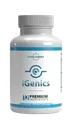
Advanced formulations like iGenics are specifically designed to combat ocular oxidative stress. By delivering clinical doses of potent antioxidants (like Vitamin C, Vitamin E, Lutein, and Zeaxanthin) directly to the ocular tissues, these supplements help neutralize free radicals, reduce inflammation, and support the cellular repair of the lens and the retina.
Conclusion
Blurred vision and cloudiness are not just "normal aging" - they are the visible symptoms of unchecked oxidative stress. By proactively defending your eyes with targeted antioxidant support, you can neutralize the free radicals that cause cellular decay, preserving the clarity and sharpness of your vision for years to come.
Scientific References & Validation
Full citations with PMID links, methodology notes & evidence ratings on puresupphub.com