For decades, ophthalmology viewed the eye as a largely "immune-privileged" organ, isolated from the systemic immune responses of the rest of the body. However, modern mucosal immunology has completely overturned this paradigm. This clinical audit analyzes verified pharmacology, active botanical standardized extracts, safety profiles, and published scientific literature in Vision & Eye Health.
Redefining Ocular Inflammation
For decades, ophthalmology viewed the eye as a largely "immune-privileged" organ, isolated from the systemic immune responses of the rest of the body. However, modern mucosal immunology has completely overturned this paradigm.
We now understand that chronic, idiopathic inflammation of the eye - such as uveitis, dry eye disease, and even certain forms of macular degeneration - is heavily influenced by the immunological state of the gastrointestinal tract. This bidirectional communication network is known as the Gut-Eye Axis.
The Microbiome and Systemic Immune Priming
The human gut houses trillions of microbes. The composition of this microbiome dictates the behavior of the Gut-Associated Lymphoid Tissue (GALT), which contains roughly 70% of the body’s entire immune system.
When the gut microbiome is balanced (eubiosis), commensal bacteria produce Short-Chain Fatty Acids (SCFAs) like butyrate, which promote the generation of Regulatory T-cells (Tregs). Tregs are the "peacekeepers" of the immune system, suppressing autoimmune reactions and systemic inflammation.
Dysbiosis, Permeability, and Molecular Mimicry
When the microbiome is disrupted - due to a Western diet, chronic stress, or antibiotic use - a state of dysbiosis occurs. This triggers a cascade of events that directly threaten ocular health:
- Intestinal Permeability (Leaky Gut): Dysbiotic bacteria erode the mucosal barrier of the gut, allowing lipopolysaccharides (LPS) and undigested proteins to enter the systemic bloodstream.
- Systemic Cytokine Storm: The presence of LPS in the blood triggers a massive inflammatory response. Pro-inflammatory cytokines (IL-17, TNF-α) circulate systemically and can cross the blood-retinal barrier, initiating inflammation within the eye.
- Molecular Mimicry: In some autoimmune ocular conditions, such as autoimmune uveitis, the immune system becomes confused. Certain pathogenic gut bacteria possess surface proteins that closely resemble the proteins found in the human retina. T-cells activated in the gut to fight the bacteria travel to the eye and mistakenly attack the retinal tissue.
Clinical Takeaway
Chronic ocular inflammation cannot be treated effectively by looking solely at the eye; the systemic inflammatory tone must be addressed at its source in the gut.
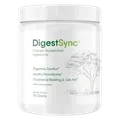
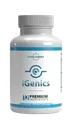
This requires a holistic protocol. DigestSync helps to repair the intestinal barrier and restore a eubiotic microbiome, halting the leakage of endotoxins and increasing the production of anti-inflammatory Tregs. Paired with iGenics, which provides targeted botanical antioxidants to soothe existing ocular inflammation, this approach addresses the Gut-Eye axis from both ends, protecting visual acuity from autoimmune and systemic inflammatory damage.
Why Ocular And Vascular System Needs Daily Support
Age-related macular degeneration (AMD) begins with oxidative damage to photoreceptor cells decades before visual symptoms emerge. UV exposure, blue light from screens, and systemic inflammation all accelerate this cellular deterioration.
Understanding this biological process helps explain why targeted daily support - not just isolated dietary improvements - is necessary for consistent results.
How Retinal Antioxidant Protection Works
The macula - the central region of the retina responsible for sharp vision - has the highest metabolic activity and oxygen demand in the body. Lutein and zeaxanthin accumulate in the macular pigment layer, acting as biological blue-light filters and antioxidants.
This mechanism explains why the biological factors discussed in this article are not merely lifestyle suggestions but represent the foundational drivers of long-term ocular health.
Scientific References & Validation
Full citations with PMID links, methodology notes & evidence ratings on puresupphub.com