As we age, it is common to notice our vision becoming less sharp. Driving at night becomes difficult due to glare, reading small print requires more effort, and colors may seem less vibrant. Many accept this as an unavoidable part of aging.
The "Eye Vitamin" Explained
As we age, it is common to notice our vision becoming less sharp. Driving at night becomes difficult due to glare, reading small print requires more effort, and colors may seem less vibrant. Many accept this as an unavoidable part of aging.
However, much of this visual decline is not an inevitable structural failure, but rather a nutritional deficiency in the eye's most critical defense system. At the center of this defense system is a powerful carotenoid known as Lutein.
The Macular Shield
To understand the importance of Lutein, you must look at the macula. The macula is the small, central area of the retina responsible for your most detailed, high-resolution vision.
The macula is highly susceptible to oxidative stress caused by UV rays and high-energy blue light from digital screens. To protect itself, the macula accumulates a thick, yellow pigment layer known as the macular pigment.
This pigment acts exactly like internal sunglasses. It absorbs harmful blue and UV light before it can strike the delicate photoreceptor cells, and it acts as a powerful antioxidant, neutralizing the free radicals generated by light exposure.
Lutein (along with its sister molecule, Zeaxanthin) is the primary building block of this protective macular pigment.The Consequences of a Lutein Deficiency
The human body cannot manufacture Lutein; it must be absorbed entirely through the diet (primarily from dark leafy greens like kale and spinach).
When dietary intake of Lutein is low, the density of the macular pigment decreases. Without this thick protective shield, high-energy light passes straight through, causing massive oxidative stress to the photoreceptor cells. Over time, this cellular damage leads to Age-Related Macular Degeneration (AMD) and cataracts, severely degrading central vision.
Restoring the Macular Pigment Density
Replenishing Lutein levels is one of the most effective, scientifically backed ways to protect and maintain your vision as you age.
#### 1. Glare Recovery and Contrast
Increasing macular pigment density through Lutein supplementation has been clinically shown to improve visual contrast (the ability to distinguish an object from its background) and significantly speed up photostress recovery time (how fast your eyes recover after being blinded by a bright light, such as oncoming headlights during night driving).
#### 2. Advanced Nutritional Defense
While eating a diet rich in greens is beneficial, it is often difficult to consume the therapeutic doses of Lutein required to rebuild a depleted macular pigment.
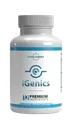
This is why targeted vision formulations are essential. Supplements like iGenics are formulated specifically around potent doses of Lutein and Zeaxanthin, combined with supporting antioxidants. By delivering these concentrated nutrients directly to the bloodstream, they help rebuild the density of the macular pigment, restoring the eye's natural internal sunglasses and protecting the photoreceptors from further damage.
Conclusion
Protecting your aging eyes requires more than just a new prescription for glasses. By understanding the critical role of Lutein and actively replenishing your macular pigment, you can defend your retinas against oxidative stress and maintain sharp, clear vision well into your later years.
Scientific References & Validation
Full citations with PMID links, methodology notes & evidence ratings on puresupphub.com