The macula lutea is a highly specialized, oval-shaped pigmented area near the center of the retina in the human eye. It is responsible for high-acuity, detailed central vision, which is essential for tasks like reading, driving, and recognizing faces. Within the macula, photoreceptor cells (cones and rods) convert incoming light into electrical signals, which are transmitted via the optic nerve to the brain. Because photoreceptors are continuously exposed to intense light and high oxygen concentrations, they operate in an environment prone to severe oxidative stress.
The Biological Significance of Macular Pigment Optical Density
The macula lutea is a highly specialized, oval-shaped pigmented area near the center of the retina in the human eye. It is responsible for high-acuity, detailed central vision, which is essential for tasks like reading, driving, and recognizing faces. Within the macula, photoreceptor cells (cones and rods) convert incoming light into electrical signals, which are transmitted via the optic nerve to the brain. Because photoreceptors are continuously exposed to intense light and high oxygen concentrations, they operate in an environment prone to severe oxidative stress.
To shield these delicate cells, the body maintains a natural yellow shield known as the macular pigment. The concentration of this protective layer is clinically measured as Macular Pigment Optical Density (MPOD). A high MPOD value represents a robust defense system, whereas a low MPOD value is a primary clinical indicator of susceptibility to age-related macular degeneration (AMD) and photoreceptor degradation.
Macular pigment consists of three dietary carotenoids: lutein, zeaxanthin, and meso-zeaxanthin. These carotenoids are not synthesized by the body and must be acquired through diet or targeted supplementation. They accumulate in the outer plexiform layer of the fovea (the center of the macula), where they serve a dual protective role: absorbing high-energy shortwave blue light and scavenging reactive oxygen species (ROS) before they can damage the lipid membranes of photoreceptor outer segments.
Carotenoid Filtration and Blue Light Absorption
High-energy visible (HEV) blue light, spanning wavelengths between 400nm and 500nm, represents a significant environmental hazard to retinal health. Unlike longer wavelengths, blue light penetrates deep into the eye, reaching the retina. When blue light strikes the photoreceptor outer segments, it excites photosensitizing molecules (such as lipofuscin, a metabolic waste byproduct that accumulates in retinal pigment epithelial cells). This excitation triggers a photochemical reaction, generating massive quantities of singlet oxygen and free radicals.
These free radicals initiate lipid peroxidation, destroying the polyunsaturated fatty acid (PUFA) chains - predominantly docosahexaenoic acid (DHA) - that make up the fluid membranes of photoreceptors. Once these membranes are damaged, the photoreceptors lose their integrity, leading to cellular death (apoptosis) and permanent vision loss.
Macular pigment acts as a physical filter, blocking blue light before it can reach the photoreceptor layer. Due to their conjugated double-bond structure, lutein and zeaxanthin absorb light in the blue spectrum, with peak absorption at 460nm. By filtering out up to 90% of blue light, a dense macular pigment layer reduces photochemical stress on the underlying cells. For adults over 40, maintaining a high MPOD is vital to counter the cumulative lifetime exposure to ambient blue light from digital screens and sunlight.
The Photoreceptor Oxidative Axis
To understand the protective mechanisms of macular carotenoids, we can map the biochemical pathways of light-induced oxidative stress and carotenoid-mediated protection within the retina:
The Photoreceptor Oxidative Axis
HEV Blue Light Entry
Incoming shortwave visible light (400nm - 500nm) penetrates the lens toward the retina.
Carotenoid Filtration
Macular carotenoids (lutein & zeaxanthin) absorb up to 90% of photochemical energy.
Photoreceptor Safety
Antioxidants scavenge remaining free radicals, shielding cell membranes from lipid peroxidation.
When the macular pigment shield is thin, blue light passes unfiltered into the retinal tissue, causing oxidative damage. A dense macular pigment layer absorbs the energy, converting it into harmless heat and directly scavenging any remaining free radicals, preserving retinal structures and visual acuity.
Essential Visual Antioxidants and Vascular Support
While lutein and zeaxanthin are central to MPOD, comprehensive photoreceptor protection requires a network of supporting antioxidants and minerals that maintain retinal cell function and microvascular blood flow:
Astaxanthin
A potent marine-derived carotenoid, astaxanthin has a unique molecular structure that allows it to cross the blood-retinal barrier. Once inside the retina, astaxanthin accumulates in the photoreceptor membranes, providing superior protection against lipid peroxidation. Studies show it supports accommodation (the eye's ability to focus) and reduces eye strain associated with screen use.
Bilberry Extract (Anthocyanins)
Bilberry is rich in anthocyanins - plant pigments that support the regeneration of rhodopsin, the visual purple pigment required for low-light and night vision. Bilberry also supports the capillary walls of the retinal microvasculature, ensuring a steady supply of oxygen and nutrients to the high-metabolizing photoreceptors.
Zinc and Vitamin A
Zinc is highly concentrated in the retina and retinal pigment epithelium (RPE). It is a cofactor for key antioxidant enzymes, including superoxide dismutase (SOD). Zinc also facilitates the transport of vitamin A (retinol) from the liver to the retina, where it is converted into retinaldehyde, the light-sensitive component of visual pigments.
Sourcing Vetted Vision Formulations
Because the delicate carotenoids and botanical extracts required to maintain MPOD are highly sensitive to oxygen and heat, securing authentic, clinical-grade supplements from verified manufacturer checkouts is critical:
Comprehensive Macular Protection
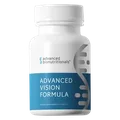
To optimize macular pigment density and defend against macular wear, Advanced Vision Formula delivers clinical doses of lutein (10mg), zeaxanthin (2mg), astaxanthin, and bilberry extract, combined with key mineral cofactors. Purchasing Advanced Vision Formula directly from the manufacturer ensures you receive a fresh batch, protecting the highly sensitive carotenoid compounds from thermal degradation during storage.
Photoreceptor Defense and Visual Repair
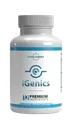
To support cellular recovery and retinal integrity, iGenics combines lutein, zeaxanthin, and natural visual antioxidants in a cGMP-compliant formula designed to combat environmental stressors. Sourcing iGenics direct bypasses third-party retail channels, preventing exposure to heat and light that can oxidize active carotenoids, rendering them ineffective.
The Vision Supplement Vetting Checklist
To protect your eyesight and avoid wasting money on underdosed or degraded supplements, apply this strict vetting checklist to every vision formula purchase:
- Verify Carotenoid Ratios: Ensure the supplement lists specific milligram amounts of lutein and zeaxanthin. Reject products that hide these active ingredients in generic "Eye Health Blends."
- Confirm Blood-Retinal Barrier Passage: Ensure the formula contains ingredients clinically proven to cross the blood-retinal barrier (such as standardized lutein, zeaxanthin, and astaxanthin) to ensure cellular bioavailability.
- Check for Standardized Botanical Extracts: If the formula contains bilberry or ginkgo, the label must list the active constituent percentage (e.g., standardized to anthocyanins) to guarantee potency.
- Buy Laboratory Direct: Avoid buying vision supplements from unconditioned warehouses. Carotenoids are highly sensitive to light and heat; improper storage accelerates potency loss, leaving your eyes unprotected.
By implementing this vetting protocol, you can safely navigate the supplement market and secure authentic, clinical-grade carotenoids to maintain your macular pigment optical density and protect your vision for the long term.
Scientific References & Validation
Full citations with PMID links, methodology notes & evidence ratings on puresupphub.com